
ASEAN Analysis & Commentary
Every analysis published on ASEAN Rising is sourced, datestamped and signed. We're more interested in being right in 12 months than first in 12 minutes.
Foundation pieces
Start here. The three pieces below set out the lens ASEAN Rising uses to read every story.
ASEAN Rising's core lens. Execution Economics is the study of whether countries, companies and institutions can convert obvious potential into delivered outcomes - and which six pillars decide the answer.
The region has capital, demographics, location and policy ambition. None of that has ever been the binding constraint. The next decade is an execution test, not a potential test - and it is already being scored.
Malaysia is the test case for whether ASEAN's middle powers can turn FDI, semiconductors and data centres into compounding domestic capability. Read the live coverage and execution scorecard.
Analysis tagged #tourism

 Philippines
Manila Cruise Port Plan Moves to Feasibility Study
A plan to build a new cruise port in Manila is advancing, but the true test lies in its execution. For the Philippines, delivering infrastructure on time is more valuable than just announcing ambitious projects.
 Philippines
 Tourism: Hotels Are Ready, But Is the Infrastructure?
The Philippines hospitality sector is winning awards, but the country needs more than just great hotels to attract and retain tourists.
 Philippines
Tourist Arrivals and Investable Depth in the Philippines
The Philippine hospitality sector is expanding, but turning tourist arrivals into durable, long-term investment requires more than new hotels. It requires a focus on the institutional capacity to deliver infrastructure, power, and talent.
 Philippines
Philippine Tourism: From Accolades to Assets
An award for a major hotel group is a positive signal. But converting tourism acclaim into durable economic growth requires a focus on institutions, infrastructure, and execution.
 Philippines
: Hospitality Accolades Meet Investment Realities
The Philippine hospitality sector is winning awards, but the larger test is turning this into sustained, deep investment flows.
 Philippines
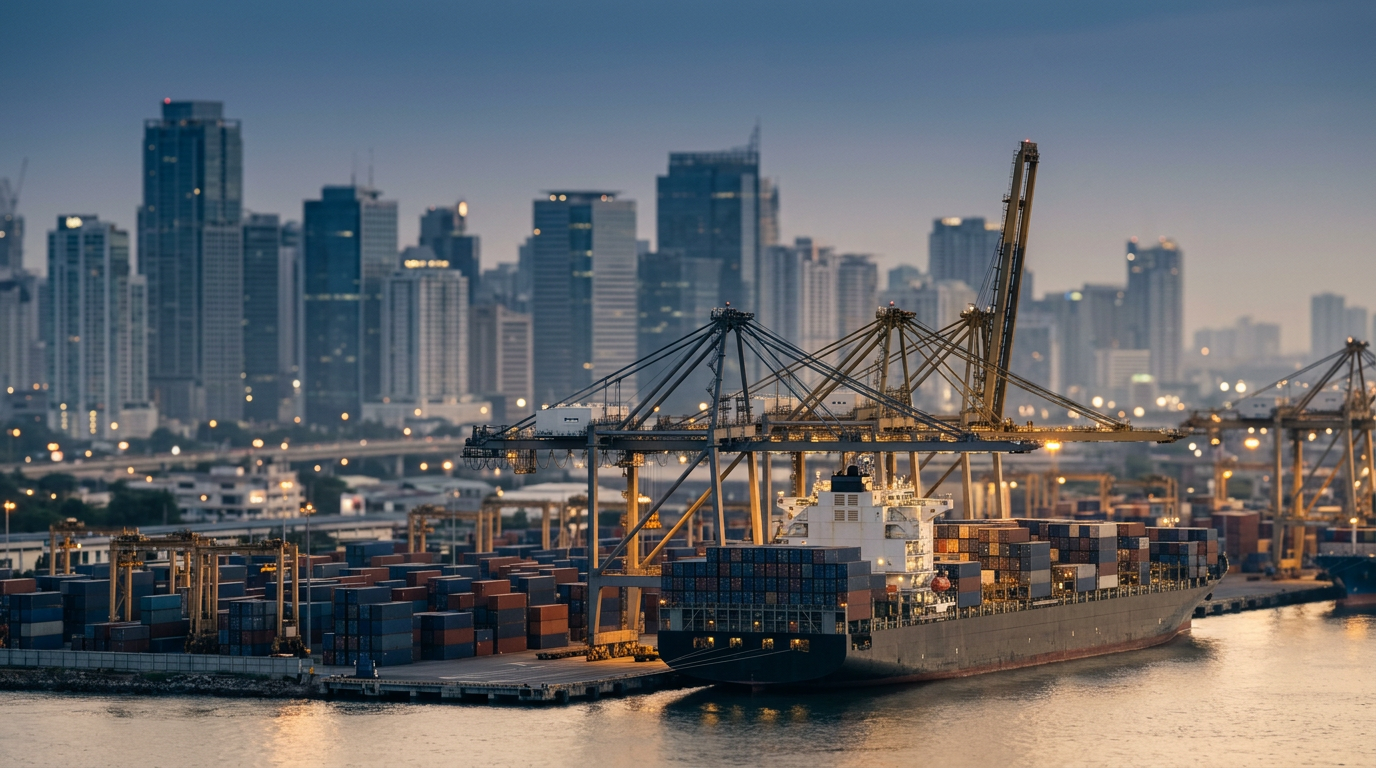
The Philippines' Hospitality Win and the FDI Test
The Philippines' Robinsons Hotels and Resorts was named the country's Leading Hotel Group, a welcome sign for its tourism sector. But turning awards into durable foreign investment requires strengthening the institutional capacity to deliver.
 Philippines
Tourist Arrivals and Philippine Hotel Investment
Tourist arrivals are up, but hotel investment faces familiar headwinds. Turning tourist numbers into investable hotel properties requires land, permits, power, and talent.

 Thailand
From Arrivals to Assets: Thailand's FDI Test
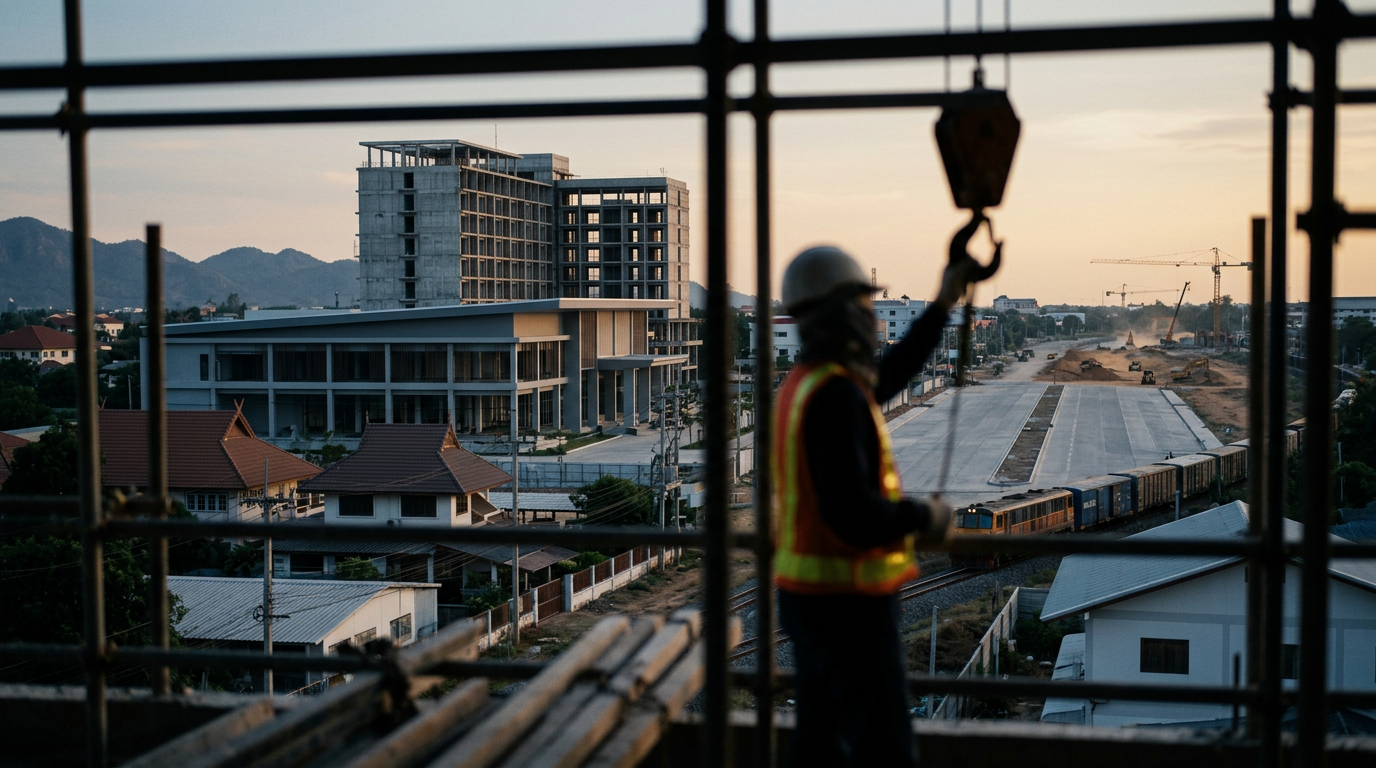
Thailand is betting that a new visa-free travel policy for Chinese visitors will do more than fill hotels. It hopes tourism will catalyse foreign direct investment. History shows this is not automatic.
 Thailand
 Bets on Second-Tier Cities
New hotel investments in cities like Ratchaburi are a bet on Thailand's state capacity to deliver the infrastructure needed to support a new generation of tourism and business travel.
 Thailand
 Delays Tourism Fee to 2027, Highlighting Institutional Hurdles
Thailand's newly announced delay of its B450 tourism fee to 2027 shows the persistent gap between policy announcements and execution, a core theme of ASEAN's development path.

 Vietnam
's Infrastructure Push Is a Bet on Execution
As Vietnam invests heavily in transport infrastructure to boost tourism, the real measure of success will be the state's capacity to deliver, which underpins private sector confidence and future growth.
 Thailand
's Tourism Push Is a Test of Execution
Thailand's proposed 2.45 billion baht tourism stimulus is not just about the money. It is a clear case study in the importance of institutional capacity, where the effective deployment of capital matters more than the announcement itself.
 Thailand
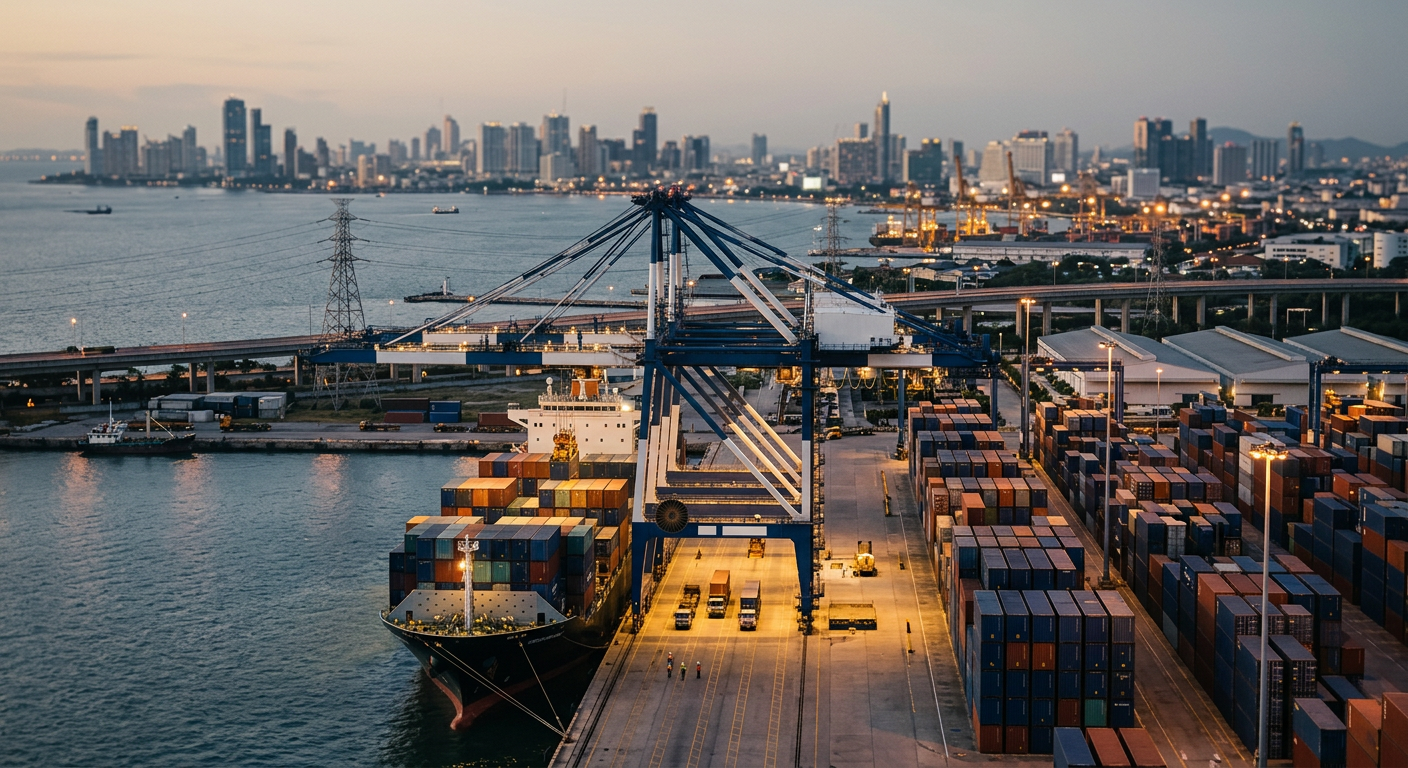
 Bets on Execution with Visa Waiver for India
Thailand's visa waiver for Indian nationals is more than a tourism promotion. It is a calculated move that tests the country's institutional capacity and signals its readiness for investment.