Thailand
Thailand Bets on Second-Tier Cities
New hotel investments in cities like Ratchaburi are a bet on Thailand's state capacity to deliver the infrastructure needed to support a new generation of tourism and business travel.
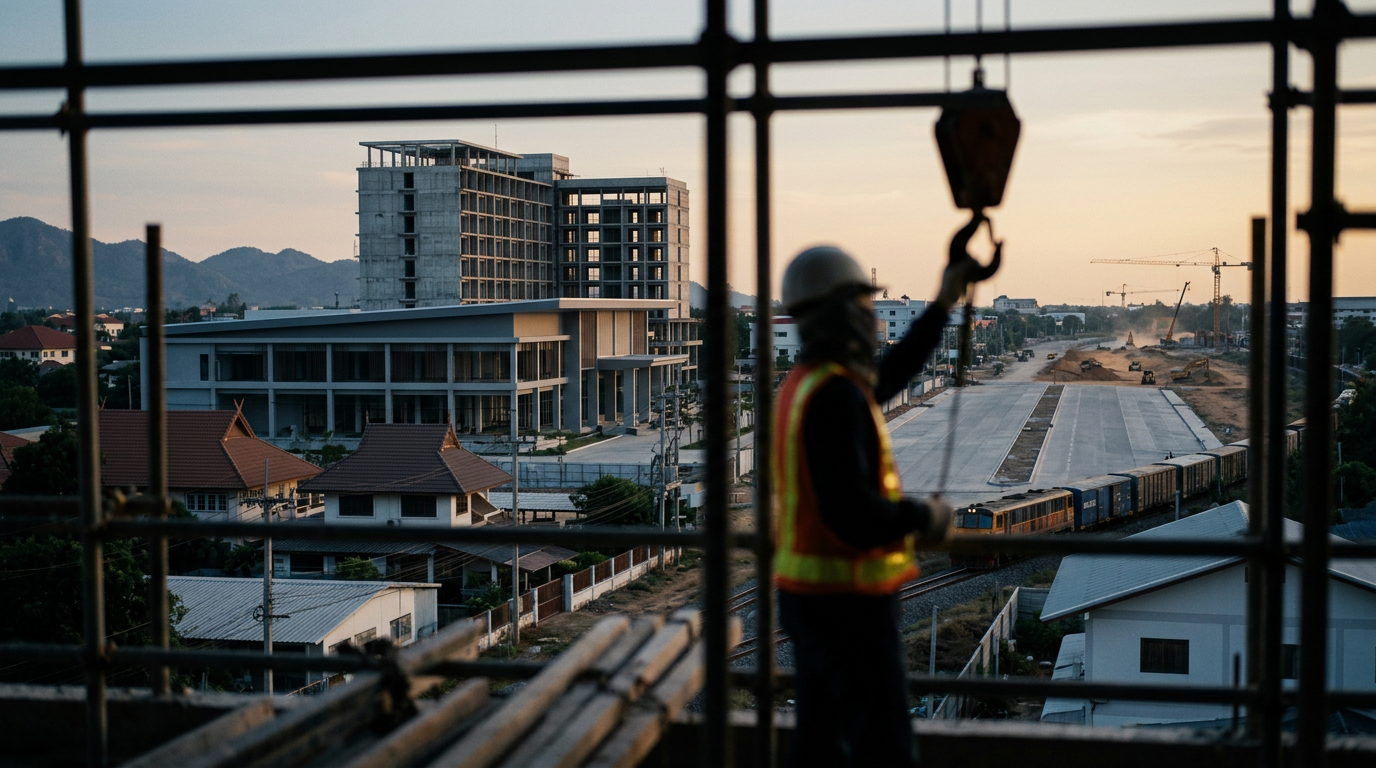
Hotel operator Centara Hotels and Resorts is planning a significant expansion into Thailand's second-tier cities, including Ratchaburi, west of Bangkok. As reported in the Bangkok Post, the move is driven by new demand from events and recreational facilities, signaling a bet on the country's ability to develop new economic hubs beyond the capital.
Institutions and Infrastructure
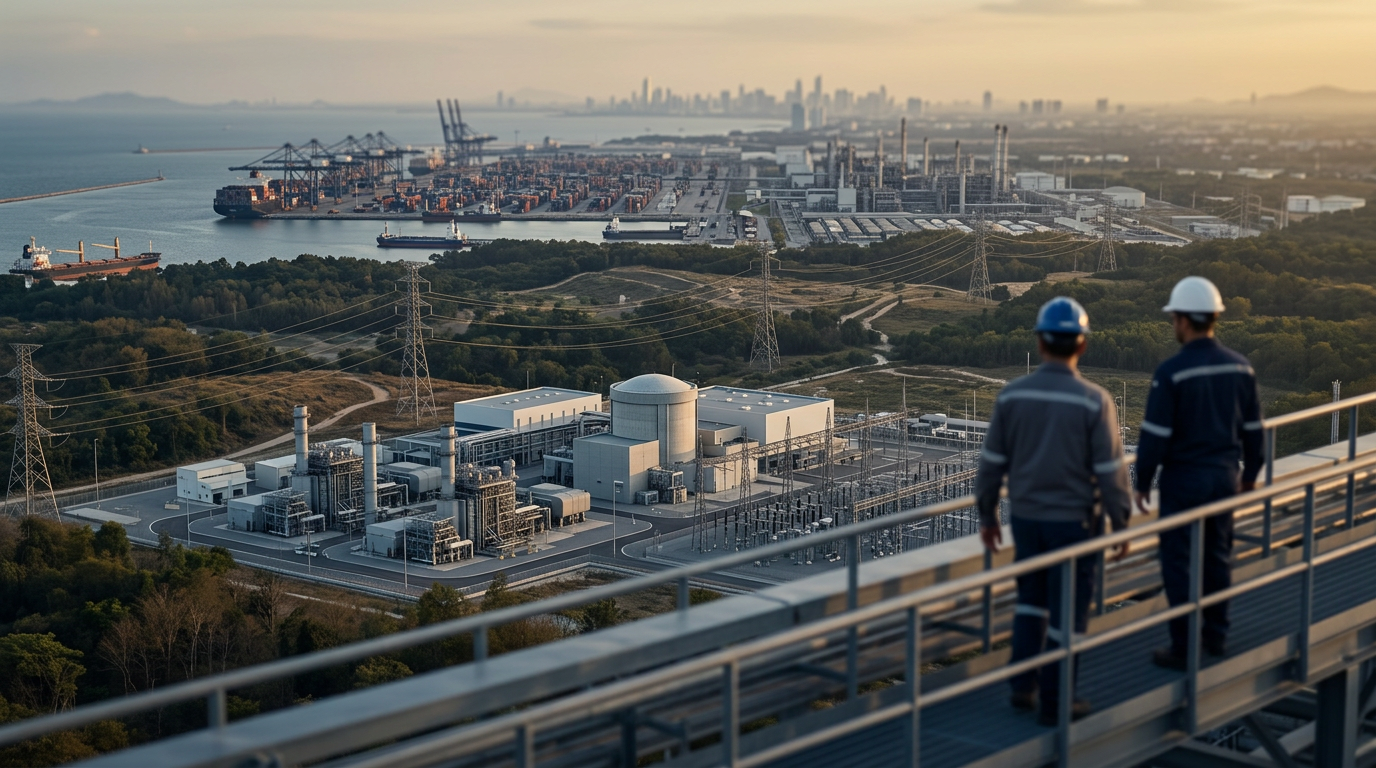
The decision to expand into provincial cities is a direct test of Thailand's state capacity and institutional reliability. As "ASEAN Rising" notes, infrastructure development is a key indicator of a government's ability to execute its plans. The book makes the point that "infrastructure that arrives on time signals more than infrastructure that is merely announced." For investors like Centara, the bet is not just on the appeal of a new location, but on the government's ability to provide the necessary roads, utilities, and public services to support a growing hotel and tourism market. This includes everything from reliable electricity to efficient transport links connecting these emerging cities to major hubs like Bangkok.
The success of this expansion hinges on the government's capacity to reduce the friction of doing business. This means predictable regulations, streamlined permitting processes, and a clear commitment to long-term infrastructure master plans. For secondary cities to become viable destinations for both leisure and business travelers, the underlying state machinery must be functional and dependable. A usable state, as the book suggests, provides the stable foundation upon which private capital can build.
Capital and Talent
Centara's investment is a tangible form of capital injection into these local economies. It brings not only the physical hotel properties but also the associated jobs, supply chain opportunities, and stimulus for local small and medium-sized enterprises. The hotelier's strategy relies on a virtuous cycle: new, high-quality hospitality offerings make a city more attractive for events and business, which in turn drives demand for rooms and other services. This dynamic cannot succeed without a corresponding investment in local talent.
The hospitality industry requires a skilled workforce, from management to service staff. The expansion into cities like Ratchaburi will necessitate the development of a local talent pipeline. This involves vocational training, partnerships with educational institutions, and creating career paths that make the tourism sector an attractive long-term employer for the local population. The ability to attract and retain skilled labor will be as important as the physical infrastructure in determining the long-term success of these new investments.
What to watch
Pay attention to the progress of public infrastructure projects in the provinces targeted for hotel expansion. The timely completion of promised road and rail upgrades, alongside the reliability of utilities, will be a leading indicator of whether private sector bets on Thailand's second-tier cities will pay off. The focus should be on execution and delivery, not just announcements, as a measure of the state's capacity to support this next phase of economic development.