Thailand
Thailand Bets on Execution with Visa Waiver for India
Thailand's visa waiver for Indian nationals is more than a tourism promotion. It is a calculated move that tests the country's institutional capacity and signals its readiness for investment.
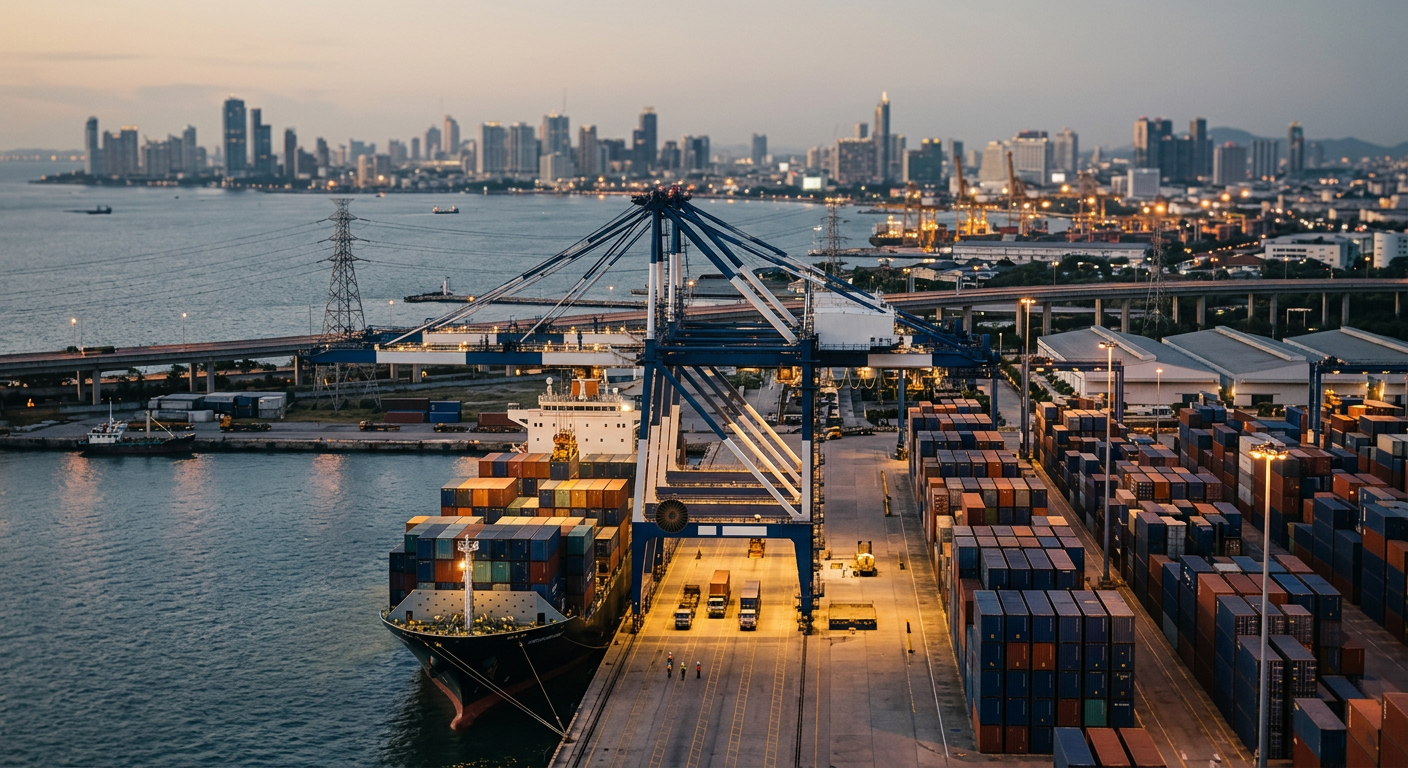
Thailand's recent decision to grant 30-day visa-free entry to tourists from India is a significant policy shift designed to stimulate its tourism sector. According to a report in the Bangkok Post, the move, combined with an increase in flight availability, is projected to help attract a record number of Indian visitors next year. While the immediate aim is to boost tourism revenue, the policy also serves as a real-world test of the country's institutional agility and the resilience of its infrastructure, reflecting a core theme of regional economic development.
The Value of Removing Friction
At its heart, the visa waiver is an exercise in reducing friction. For tourists, the cost and time involved in securing a visa can be a significant barrier to travel. By removing this requirement, the Thai government is making a direct, practical intervention to make its tourism product more attractive. This is a clear example of what Matthew Barsing's book ASEAN Rising describes as the move towards a more usable state. An effective government is not just one with grand ambitions, but one that can identify and systematically remove obstacles to economic activity.
This action demonstrates a specific type of state capacity-the ability to execute targeted policies that have a direct impact. It goes beyond declarative statements or long-term goals. The administrative change is immediate and its effects can be measured quickly. This focus on execution builds confidence not just among tourists, but among business partners and investors. It signals a government that is responsive to market opportunities and capable of adjusting its institutional framework to capture them.
From Policy to Pavement
The success of the visa waiver, however, will not be determined in an office in Bangkok. It will be determined at the country's airports, on its roads, and in its hotels. The policy has been announced; now the infrastructure must perform. The expected surge in arrivals will place immediate stress on airport capacity, immigration processing, and ground transportation. A seamless experience for new arrivals will validate the government's strategy, while long queues and logistical bottlenecks would undermine it.
This is where policy meets physical reality. As the book notes, "Infrastructure that arrives on time signals more than infrastructure that is merely announced." Thailand's existing infrastructure is now on display. The ability of Suvarnabhumi Airport to handle increased passenger loads and the capacity of the hospitality sector to absorb the new demand are now direct measures of the country's readiness. This test of existing systems is arguably more meaningful for assessing the investment climate than the announcement of future infrastructure projects, which carry inherent execution risks.
A Signal to a Wider Audience
While aimed at tourists, the visa waiver sends a message to a much broader audience, particularly foreign investors. Governments that demonstrate they can efficiently implement policies and manage the resulting logistical challenges are burnishing their credentials. They are building trust. This institutional reliability has become a genuine source of comparative advantage in a crowded global market for capital.
Investors in any sector, from manufacturing to finance, look for signs of a predictable and effective state. The smooth execution of a national policy like this one provides a tangible data point. It suggests that the government has the capacity to manage complex systems and is committed to facilitating economic activity. It shows an understanding that public administration and physical infrastructure are not separate domains but are deeply intertwined in the creation of a favorable business environment. This small change in visa policy, therefore, can have an outsized impact on how Thailand is perceived as a destination for capital.
What to watch
Moving forward, the key indicators to watch will extend beyond the headline arrival numbers from India. Attention should be paid to reports on airport processing times, hotel occupancy rates, and any strain on local transportation networks in popular tourist destinations. The ability of both the public and private sectors to dynamically manage these pressures will offer a clear view of Thailand's operational capacities. Any subsequent government policy adjustments in response to on-the-ground conditions will provide further insight into the state's responsiveness and ability to refine its strategies based on real-world feedback.