
ASEAN Analysis & Commentary
Every analysis published on ASEAN Rising is sourced, datestamped and signed. We're more interested in being right in 12 months than first in 12 minutes.
Foundation pieces
Start here. The three pieces below set out the lens ASEAN Rising uses to read every story.
ASEAN Rising's core lens. Execution Economics is the study of whether countries, companies and institutions can convert obvious potential into delivered outcomes - and which six pillars decide the answer.
The region has capital, demographics, location and policy ambition. None of that has ever been the binding constraint. The next decade is an execution test, not a potential test - and it is already being scored.
Malaysia is the test case for whether ASEAN's middle powers can turn FDI, semiconductors and data centres into compounding domestic capability. Read the live coverage and execution scorecard.
Analysis tagged #finance

 Vietnam
's Infrastructure Execution Test
Hanoi has an ambitious plan to expand its national expressway network, but a multi-billion-dollar funding gap puts the focus on its ability to execute. For foreign investors, infrastructure that arrives on time is a powerful signal of a state's capacity.

 Singapore
Commodity Trader Default Tests Trust in Singapore
Allegations of forgery against a Singapore-based commodity trader put the spotlight on the institutional trust that underpins trade finance.

 Philippines
Philippine Clean Energy and the Power of Predictable Institutions
A recent award for the Land Bank of the Philippines highlights the value of institutional reliability in the country's clean energy transition, a core theme of ASEAN Rising.

 Indonesia
's Commodity Exchange and the Question of Trade Depth
Indonesia has ambitions to become a price-setter, not just a price-taker. Success depends on building credible benchmarks and getting producers and traders on board.
 Vietnam
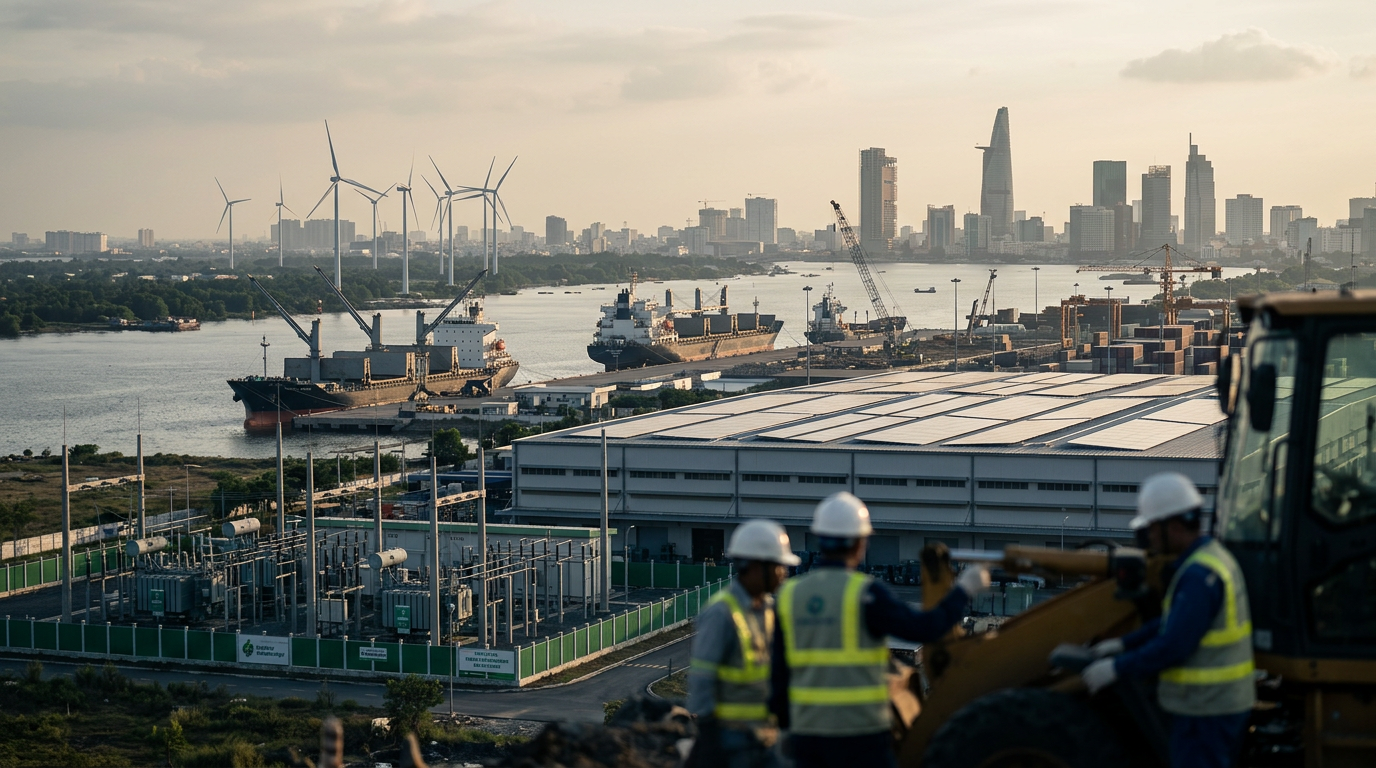
's Green Finance Move Highlights the Value of Usable States
A recent US$30 million credit facility for Vietnam's Nam A Bank from Proparco to expand green lending shows how institutional reliability is becoming a key part of comparative advantage in Southeast Asia.
 Vietnam
's Digital Banking Push Needs Institutional Depth
Vietnam's digital banking sector is drawing attention and awards. But turning this buzz into durable economic advantages requires a deeper focus on the institutions that govern talent, capital, and infrastructure.
 Singapore
 Bets on Carbon Measurement for Market Trust
Singapore's new decarbonisation centre aims to build trust in regional carbon markets by providing reliable verification, a key element for attracting capital.
 Thailand
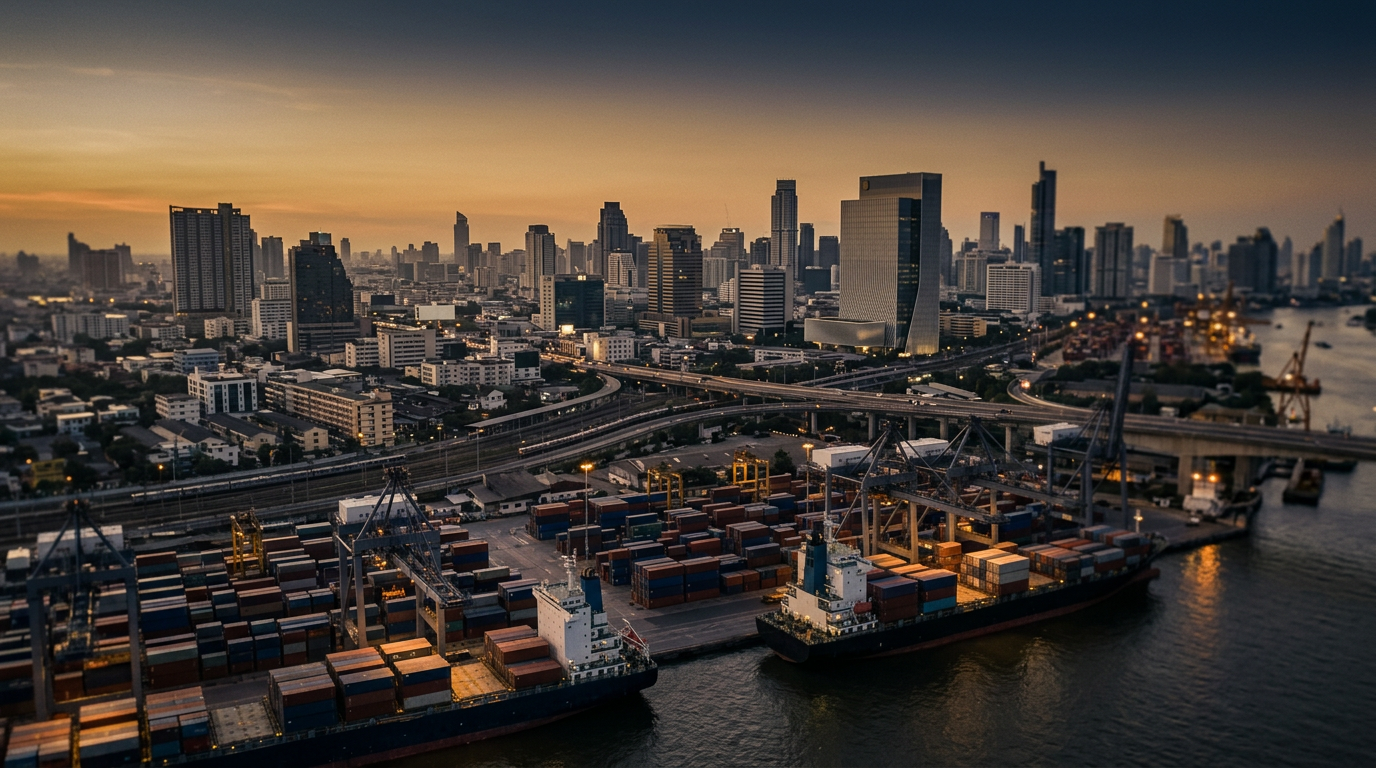
's Banks Look Abroad
Thai banks are looking beyond their home market for growth, but turning ambition into returns requires institutional depth and execution on the ground.
 Singapore
's Barclays Boost Is About More Than Bankers
Barclays' decision to double its private banker headcount in Singapore by 2030 is not just a vote of confidence in the city-state's wealth management sector. It's a sign of how Singapore's institutional coordination makes it a magnet for international capital.
 Singapore
A high-profile court case in Singapore involving a major iron ore trader highlights the island state's institutional strengths and its role as a hub for managing complex commercial relationships, including those tied to China.
 Singapore
, Trust, and Trade-Based Money Laundering
A high-profile case of trade finance fraud in Singapore highlights the institutional challenges in managing trade with China.
 Singapore
, Sanctions, and the Limits of Trust
New US sanctions on Singapore-based firms highlight the institutional strengths and reputational risks of the city-state. Trust, once established, is a durable but not unbreakable asset.
 Indonesia
's Commodity Exchange and the Search for Price Control
Indonesia plans a new national commodity exchange to gain more control over the pricing of its key exports like palm oil and nickel, a move that reflects a broader ASEAN trend of managing dependency in global trade.
 Singapore
 Sharpens Its Asset Management Edge
New incentives from the Monetary Authority of Singapore aim to deepen the city-state's appeal to global capital and talent, a move that highlights the institutional strengths required to convert financial inflows into durable economic activity.
 Thailand
Thai Banks and the China Question
Thai bank lending is showing signs of life, but the structural dependency on China's economy presents a long-term management challenge for the country's financial institutions.
 Thailand
 Navigates a Changing Financial Landscape
Thailand's financial system is adapting to geopolitical shifts, with new direct currency settlement arrangements for the Chinese yuan creating new possibilities for trade and investment.
 Singapore
SGX's expansion into mainland-linked financial products reflects ASEAN's broader challenge: how to deepen financial integration with China while managing economic dependency and maintaining strategic flexibility.
 Singapore
's Stock Market Revival is a Case Study in Execution
The recent turnaround of the Singapore Exchange demonstrates that in Southeast Asia, as elsewhere, reliable institutions and consistent execution are more valuable than grand announcements.
 Vietnam
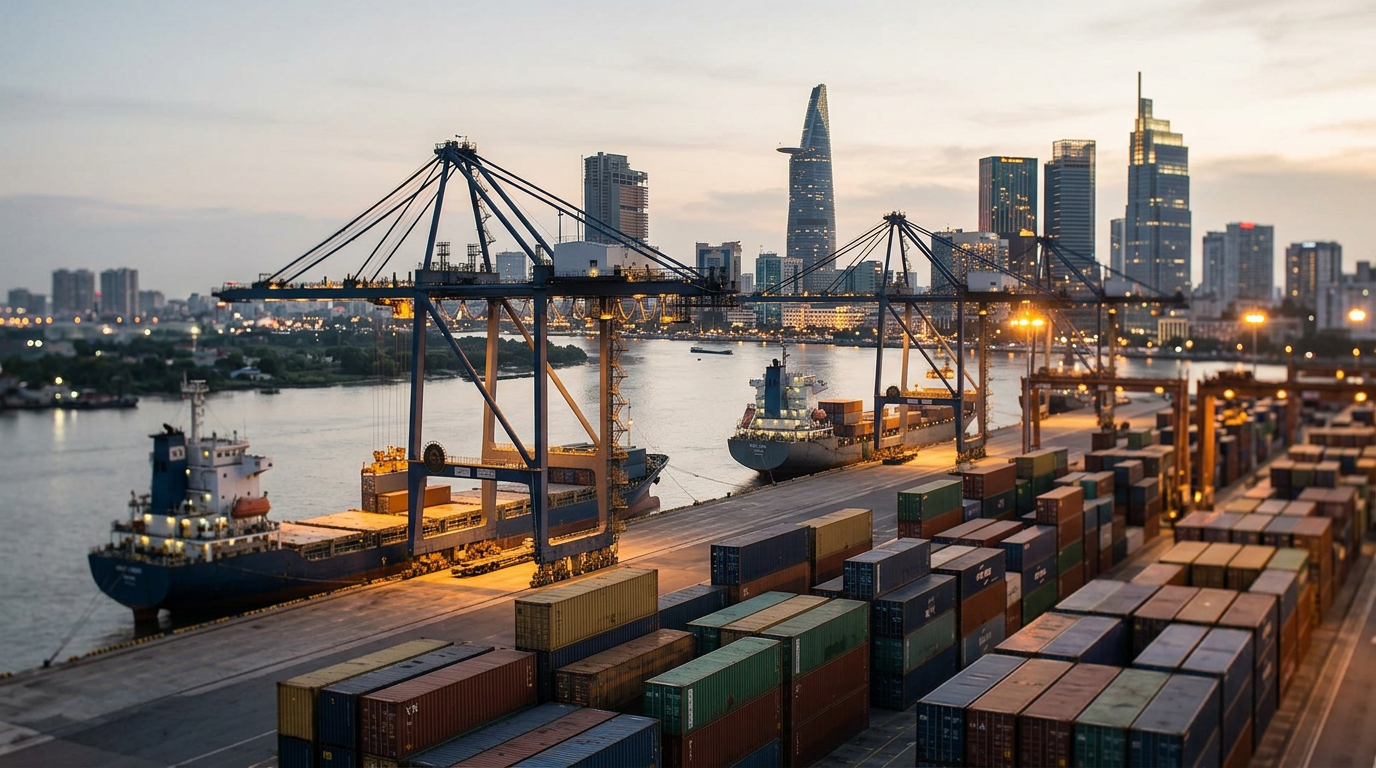
's Banking Health is a Signal of Institutional Strength
The strong performance of a mid-tier Vietnamese bank points to a broader story of improving institutional quality and regulatory effectiveness, a key source of the country's economic strength.
 Malaysia
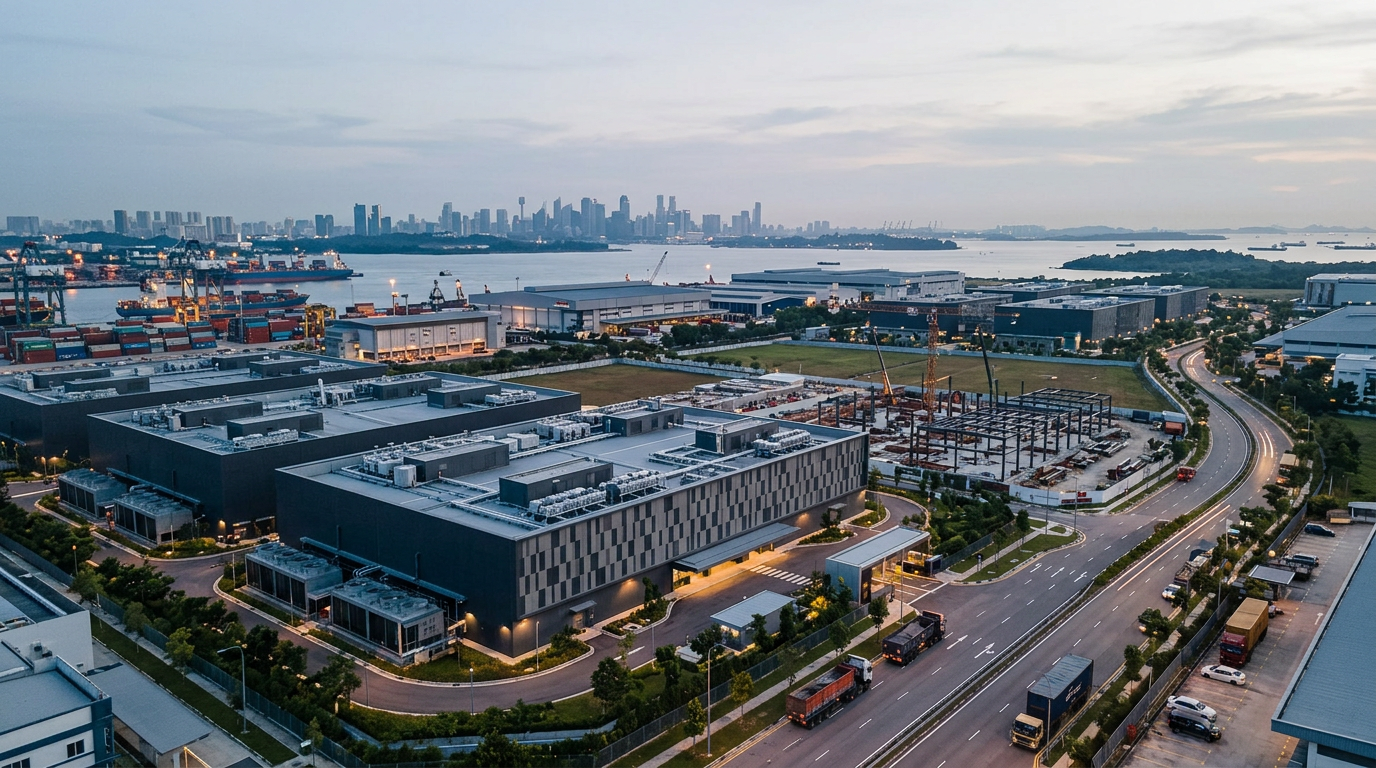
's Data Center Corridor: Capital and Coordination in Action
AirTrunk's new green loan for its Johor data center is more than a headline transaction. It is a case study in how coordinated planning, infrastructure, and cross-border capital are building a new digital backbone for Southeast Asia.
 Singapore
SCB X's AI Push Frames ASEAN's Sovereign Tech Test
Bangkok-based SCB X is transforming into an AI-first organization to gain deeper customer insights. The move highlights a deeper question for the region's economic future: who will own the underlying digital infrastructure?
 Malaysia
's Tech Hub Ambition in a China-Centric Region
Malaysia's proposal for a dedicated tech financing hub is a strategic move to upgrade its industrial capacity, but its success will be shaped by the country's ability to navigate its deep economic ties with China.