Singapore
Singapore, Trust, and Trade-Based Money Laundering
A high-profile case of trade finance fraud in Singapore highlights the institutional challenges in managing trade with China.
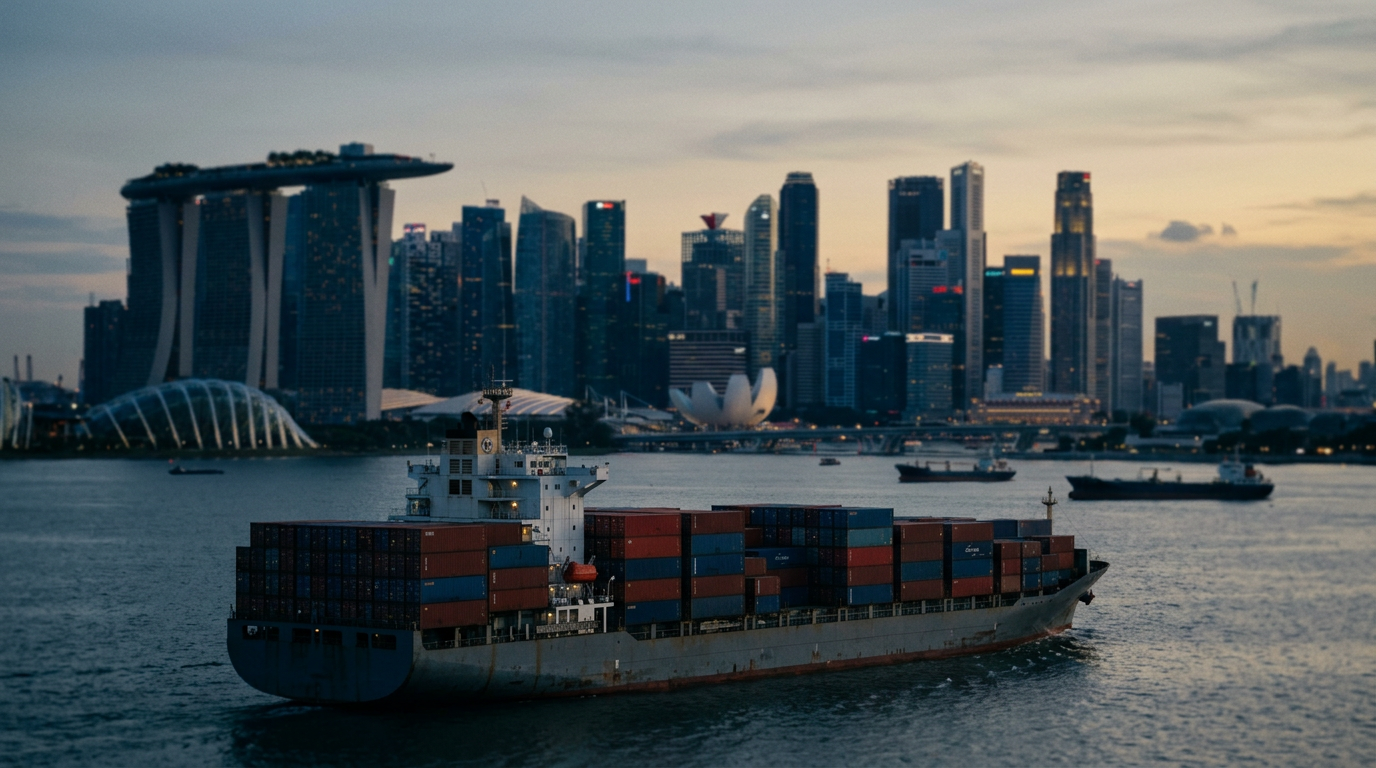
A recent lawsuit filed by Mizuho Bank against a Singapore-based iron ore trader has brought fresh attention to the risks of trade-based money laundering. As reported in the Straits Times, the bank is suing Radiant World and its founder for US$34 million, alleging fraudulent transactions. Singapore police have opened investigations into the matter. This case, involving falsified documents for supposed iron ore shipments from India to China, is a reminder of the institutional challenges that accompany deep trade integration, particularly with China.
Institutions and Trust
Trade finance is built on a foundation of trust. Banks issue letters of credit and other financing instruments based on documents that are meant to represent real goods moving across real supply chains. When that trust is broken by fraudulent actors, the system is exposed to significant risk. The Radiant World case is a test for Singapore's institutional capacity to detect and prosecute complex financial crimes. Singapore has cultivated a reputation as a trusted, high-governance hub for global trade and finance. The integrity of its legal and regulatory institutions is a core component of its value proposition. How this case is handled will send a signal about the robustness of the institutions designed to protect the financial system from abuse.
Managing Dependency on China Trade
For Singapore and the wider ASEAN region, trade with China is a central economic fact. As the book "ASEAN Rising" notes, "Trade depth with China is now a structural feature, not a cyclical one." The sheer volume of this trade creates opportunities for illicit activities, including trade-based money laundering, to hide within the flow of legitimate commerce. The challenge for governments and financial institutions is to facilitate legal trade while building the capacity to identify and stop illegal financial flows. It requires sophisticated monitoring by banks, diligent customs verification, and cross-border cooperation between law enforcement agencies. This incident underscores the argument that the primary question for the region is how to manage the inherent risks of deep economic dependency on a single, large partner.
Capital and Risk
When a major bank like Mizuho faces a potential loss of tens of millions of dollars from a single client, it recalibrates its risk assessment for the entire sector. A higher perception of risk can lead to tighter credit conditions for all traders, making it more expensive and difficult for legitimate businesses to secure the capital needed for their operations. This incident could lead to increased scrutiny on commodity traders, particularly those dealing with China. For Singapore, the goal is to prove that this is an isolated case of fraud that its systems can handle, rather than a systemic weakness. A successful prosecution would reinforce trust in the system, while a failure could lead to a broader de-risking by international banks, affecting the flow of capital that underpins regional trade.
What to watch: Observers should monitor the legal proceedings in Singapore's courts to see if the allegations of fraud are proven. The response of financial regulators and the banking sector will also be telling. Look for any new guidelines or enhanced due diligence requirements for commodity traders. Finally, watch for signs of legal and intelligence cooperation between Singaporean authorities and their counterparts in China and India to trace the full extent of the alleged network.