Singapore
Singapore Bets on Carbon Measurement for Market Trust
Singapore's new decarbonisation centre aims to build trust in regional carbon markets by providing reliable verification, a key element for attracting capital.
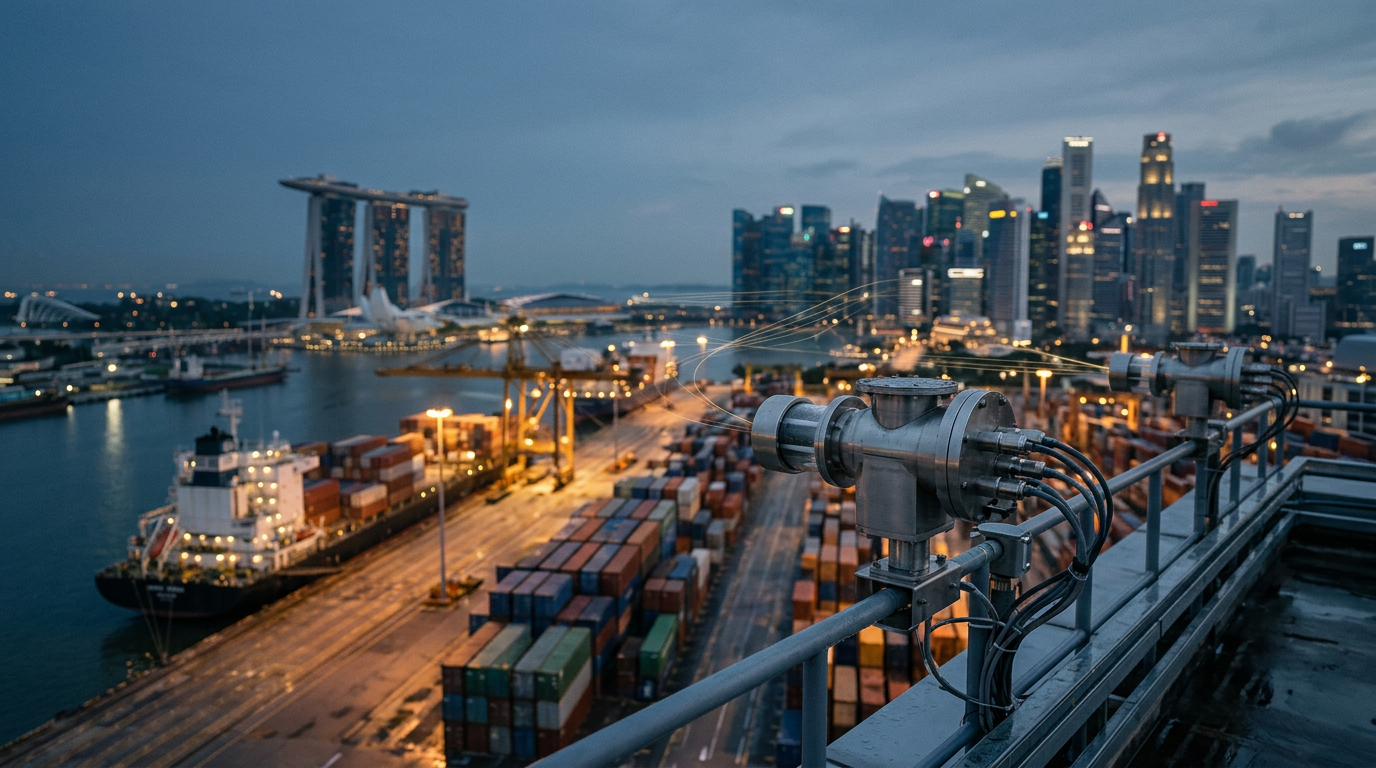
German testing and certification giant TUV SUD has launched a S$30 million decarbonisation centre in Singapore, aimed at bolstering trust in ASEAN's carbon markets. As reported by the Business Times, the new Global Centre of Excellence for decarbonisation will help companies verify their carbon data, a foundational step for creating reliable and tradable carbon credits.
This move addresses a persistent challenge in the global effort to reduce emissions: the credibility of carbon accounting. For the burgeoning carbon markets in Southeast Asia to function and attract investment, buyers must have confidence in the quality of the credits they purchase. The centre will focus on standardising the measurement, reporting, and verification (MRV) of carbon emissions and reductions, creating a common language for compliance and voluntary markets across the region.
Capital Follows Credibility
The TUV SUD investment is a direct application of a core principle: for markets to scale, they require a trusted institutional framework. The new centre is not just a technical facility; it is a piece of market infrastructure. By providing a reliable basis for valuing and trading carbon credits, it helps to de-risk investments in green projects. The projection of ASEAN carbon markets reaching US$3 trillion by 2050 depends entirely on this kind of institutional buildout.
As "ASEAN Rising" notes, for complex industrial systems, "Capital coordination is itself an industrial input." In this context, the coordination of standards and verification for carbon is the essential ingredient that attracts private capital. Without credible MRV, investments in decarbonisation projects carry a higher risk, as the returns, in the form of sellable carbon credits, are uncertain. Singapore's initiative with TUV SUD provides a clear signal that the city-state is positioning itself as the regional hub for trusted carbon finance, building the institutional capacity needed to draw in and allocate capital effectively.
Infrastructure for Green Finance
Singapore's strategy extends beyond a single verification centre. The nation is building a comprehensive ecosystem for green finance. This includes developing legal frameworks, trading platforms, and the talent required to support a sophisticated market. The TUV SUD centre fits into this broader vision by providing the technical backbone for the entire system. It acts as a neutral third party that can validate the environmental integrity of projects across the region, from renewable energy installations in Vietnam to reforestation projects in Indonesia.
This role is analogous to the established infrastructure for physical trade, like ports and logistics networks. Here, the infrastructure is for data and trust. By ensuring that a tonne of carbon reduced in one part of ASEAN is measured to the same standard as in another, Singapore facilitates a more seamless and efficient regional market. This reduces friction for companies looking to offset their emissions and for investors seeking credible green assets. The S$30 million investment is a down payment on the infrastructure required to manage trillions of dollars in future green transactions.
What to watch: Observers should monitor how quickly the standards and verification methods developed by the new centre are adopted by national carbon registries and exchanges across ASEAN. The pace of this adoption will determine the speed at which a liquid and trusted regional carbon market can be established. Also important will be the first wave of projects that use the centre for verification and whether their success attracts a broader pool of international capital into the region's decarbonisation efforts.