
ASEAN Analysis & Commentary
Every analysis published on ASEAN Rising is sourced, datestamped and signed. We're more interested in being right in 12 months than first in 12 minutes.
Foundation pieces
Start here. The three pieces below set out the lens ASEAN Rising uses to read every story.
ASEAN Rising's core lens. Execution Economics is the study of whether countries, companies and institutions can convert obvious potential into delivered outcomes - and which six pillars decide the answer.
The region has capital, demographics, location and policy ambition. None of that has ever been the binding constraint. The next decade is an execution test, not a potential test - and it is already being scored.
Malaysia is the test case for whether ASEAN's middle powers can turn FDI, semiconductors and data centres into compounding domestic capability. Read the live coverage and execution scorecard.
Analysis tagged #capital markets
 Thailand
Funding the Foundation of Sovereign AI in ASEAN
Sovereign AI in ASEAN will be tested not by model launches but by who controls the compute, the data layer and the digital identity rails that sit underneath everyday economic life.
 Philippines
The Price of Water: Capital and State Capacity in the Philippines
A planned P1.8 billion share offer by Tubig Pilipinas highlights the deep connection between private capital and the state's ability to deliver basic infrastructure like clean water.
 Philippines
 Water Infrastructure: Capital Meets Capacity
A planned P1.8 billion share offer from a Philippine water utility highlights the connection between private capital and the state's ability to deliver basic services.
 Philippines
The Quiet Confidence of Philippine Water Infrastructure
A planned P1.8 billion follow-on share offer for a Philippine water utility signals the growing importance of execution over announcement, a key theme in ASEAN's infrastructure development.
 Thailand
 Bets on Execution to Win FDI Race
FDI announcements travel quickly. Realised flows depend on the slower work of land, permits, power and talent reaching the ground. Can Thailand deliver?
 Thailand
's Industrial Push Tests Its Execution Capacity
Thailand is fast-tracking regulatory approval for $3.66 billion in strategic industrial investment, a move that tests its institutional capacity to turn announcements into realised projects.
 Thailand
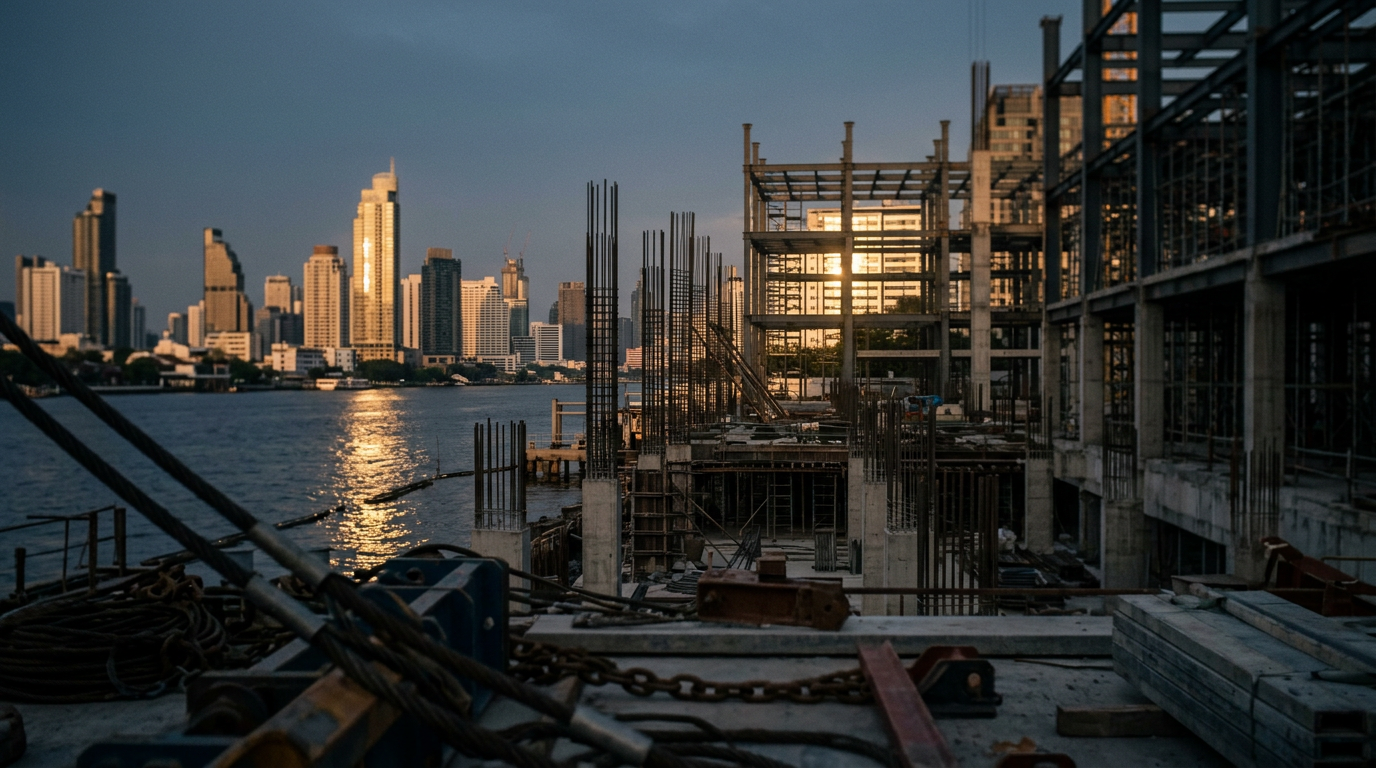
 wants bigger IPOs. Is its market ready?
The Stock Exchange of Thailand is courting four major firms for domestic listings. A look at the institutional factors that separate ambition from execution.
 Thailand
: From FDI to Domestic Capital
The Stock Exchange of Thailand (SET) is courting four major Thai companies for domestic listings. This move signals a maturing capital market, but the true test lies in improving the institutional framework that governs how capital is allocated and how listed firms perform.
 Thailand
: From FDI to Domestic Capital
The Stock Exchange of Thailand is courting major domestic firms for local listings. This reflects a deeper institutional challenge across ASEAN: turning foreign investment announcements into durable, domestic economic strength.
 Thailand
 courts domestic listings for deeper capital markets
The Stock Exchange of Thailand is courting four major Thai companies for domestic listings. This reflects a broader ASEAN trend where institutional capacity is key to converting scale into investable depth.
 Thailand
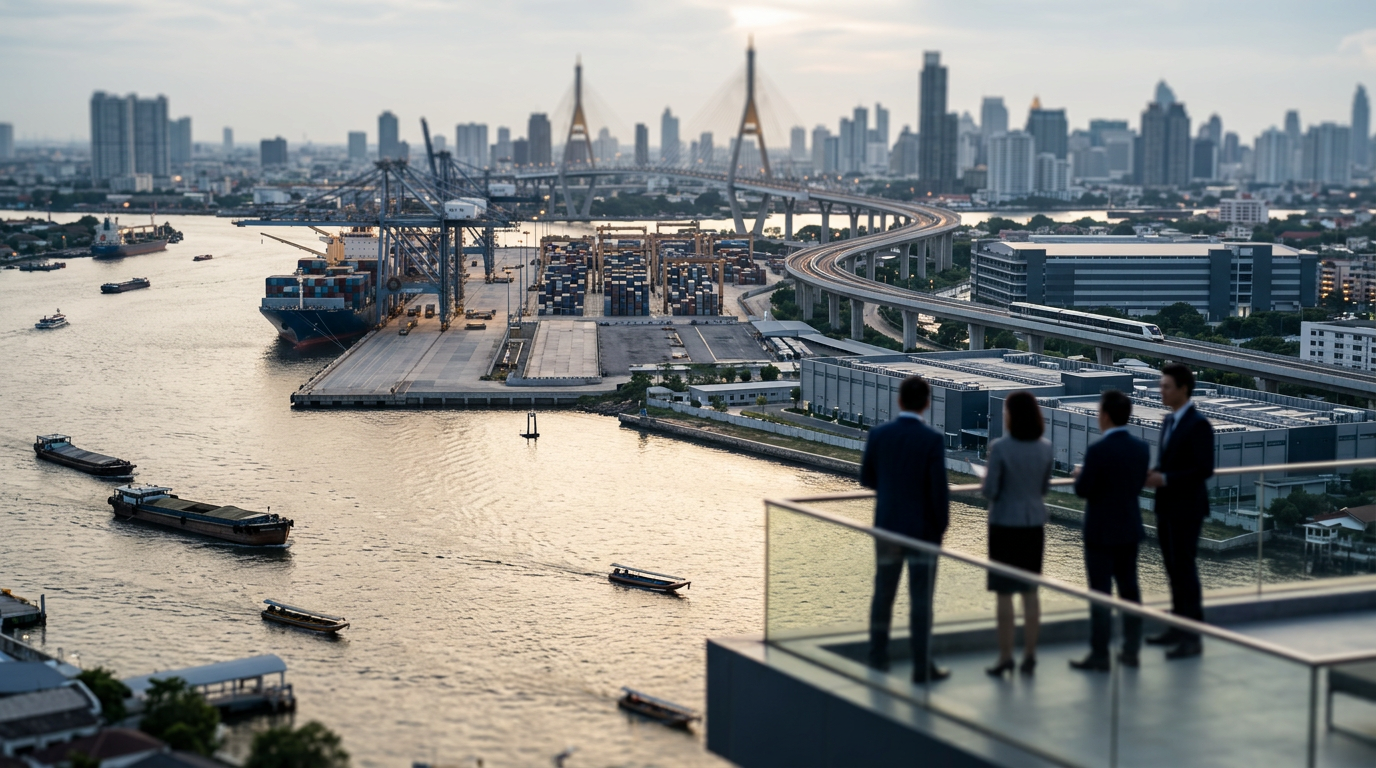
: From FDI Darling to Domestic Capital Deepening
The Stock Exchange of Thailand is courting four major domestic firms for local listings. This reflects a broader shift across ASEAN, where turning foreign direct investment announcements into reality requires strong domestic institutions and deep, liquid local capital markets.
 Vietnam
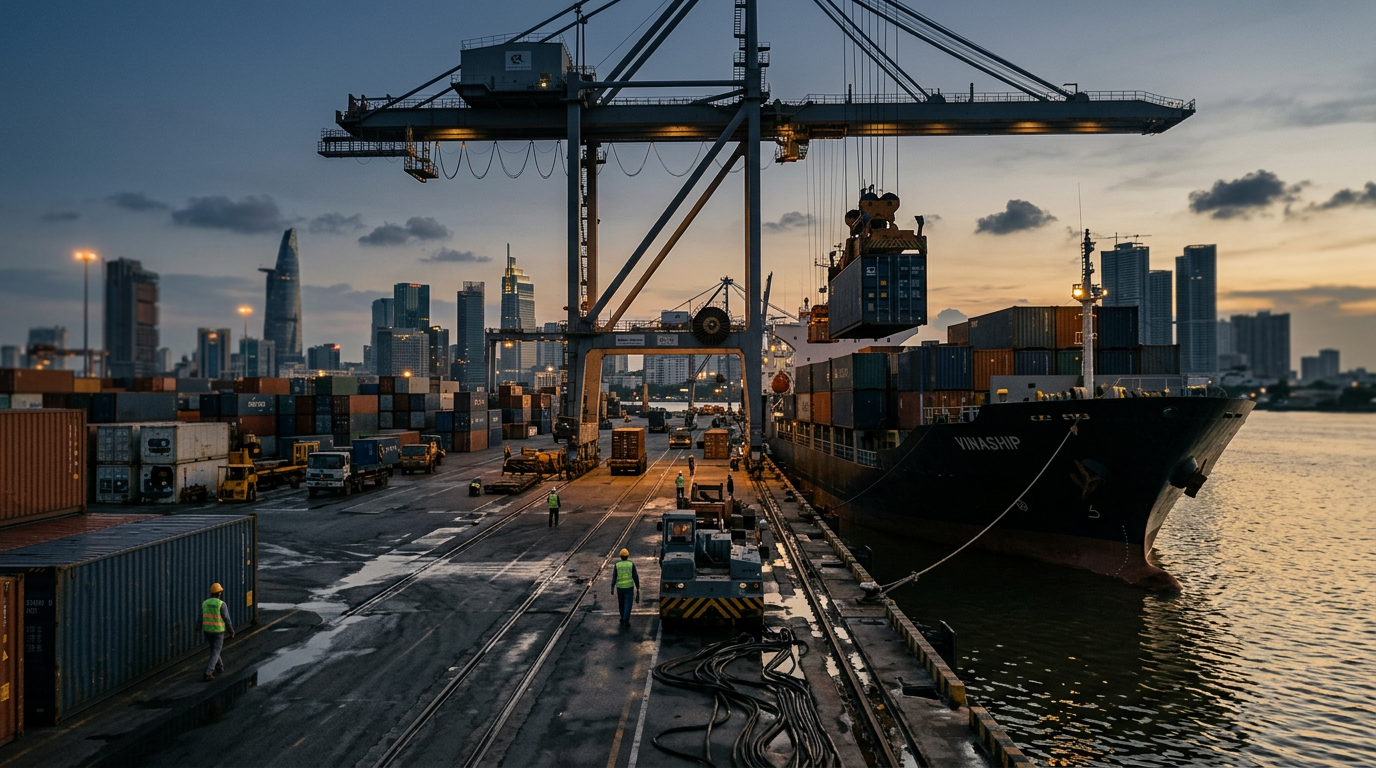
: From Index Inclusion to Investable Depth
Vietnam's inclusion in the FTSE Russell emerging market index is a positive signal. Now comes the slower, harder work of building the institutional capacity to absorb and deploy new capital.
 Vietnam
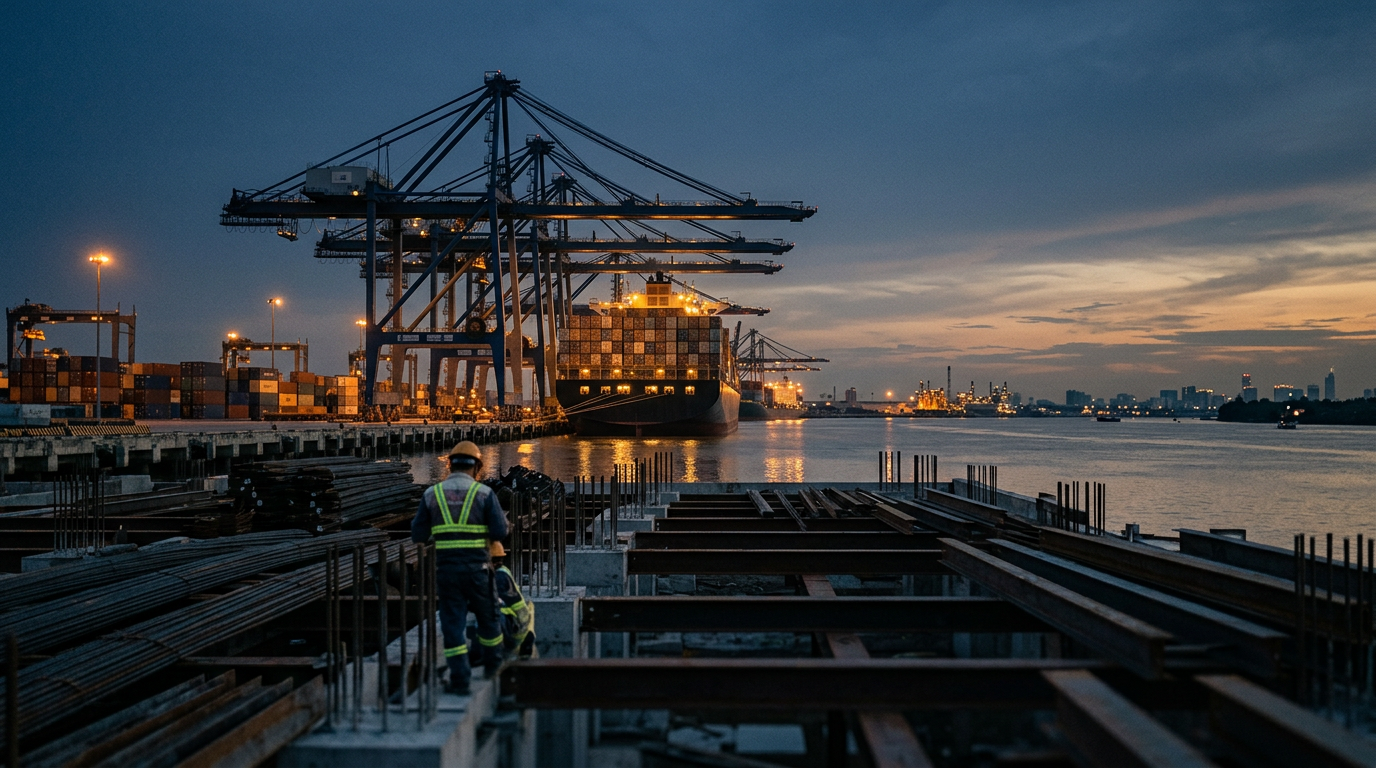
Vanguard Bets on Vietnam: Institutions Are the Real Test
Vanguard's plan to invest US$2.5 billion into Vietnam's stock market is a significant vote of confidence. Yet, as "ASEAN Rising" notes, "FDI announcements travel quickly. Realised flows depend on the slower work of land, permits, power and talent reaching the ground."
 Thailand
From Ambition to Execution in Thailand
Thailand is making substantive moves to deepen its capital markets. Success will depend on the slow work of turning plans into projects.
 Thailand
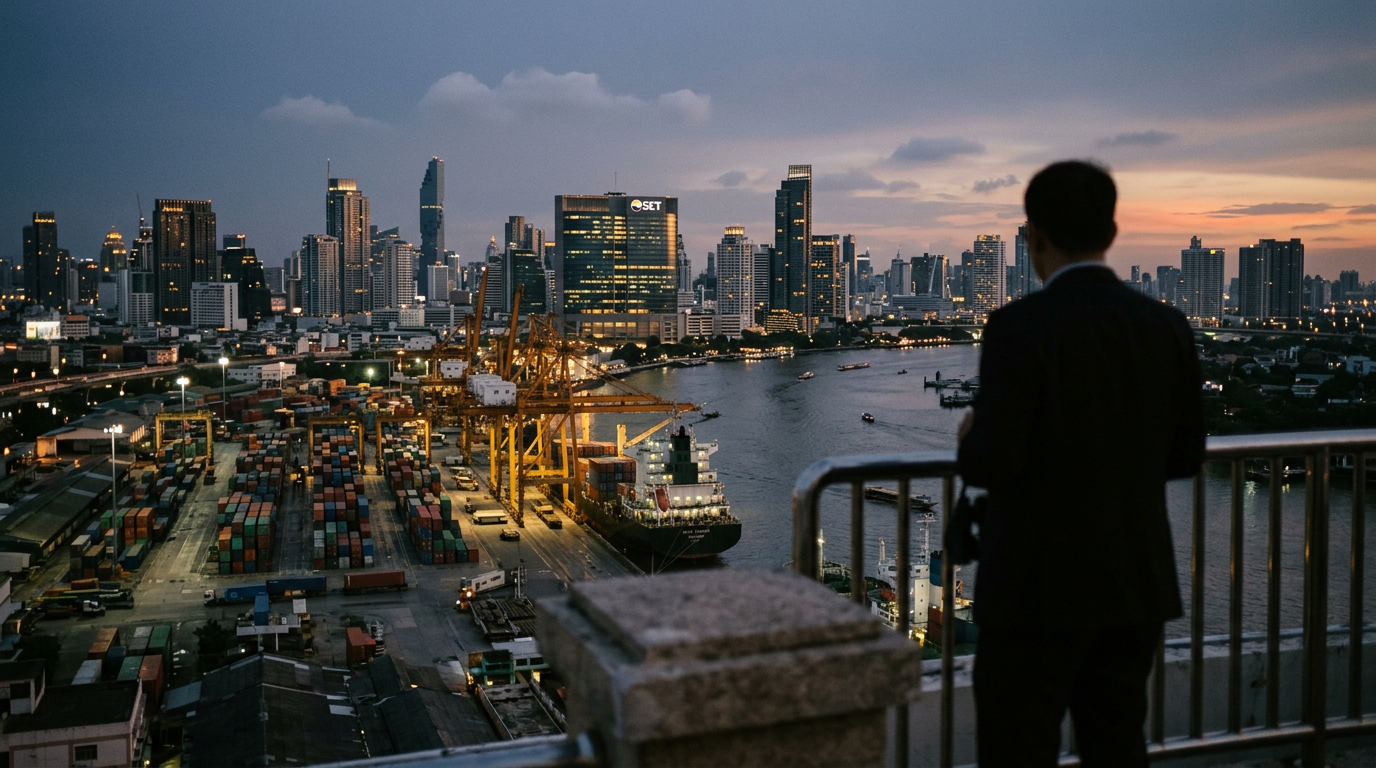
 Opens Capital Markets, Deepens China Integration
The Stock Exchange of Thailand will list 28 new depositary receipts, including several linked to Chinese equities. This move reflects a broader ASEAN trend: deeper financial integration with China is a structural reality that requires careful management.
 Thailand
's Capital Deepening Challenge
A recommendation to raise the national savings rate highlights the institutional challenges that all ASEAN members face in translating ambition into capital depth.
 Thailand
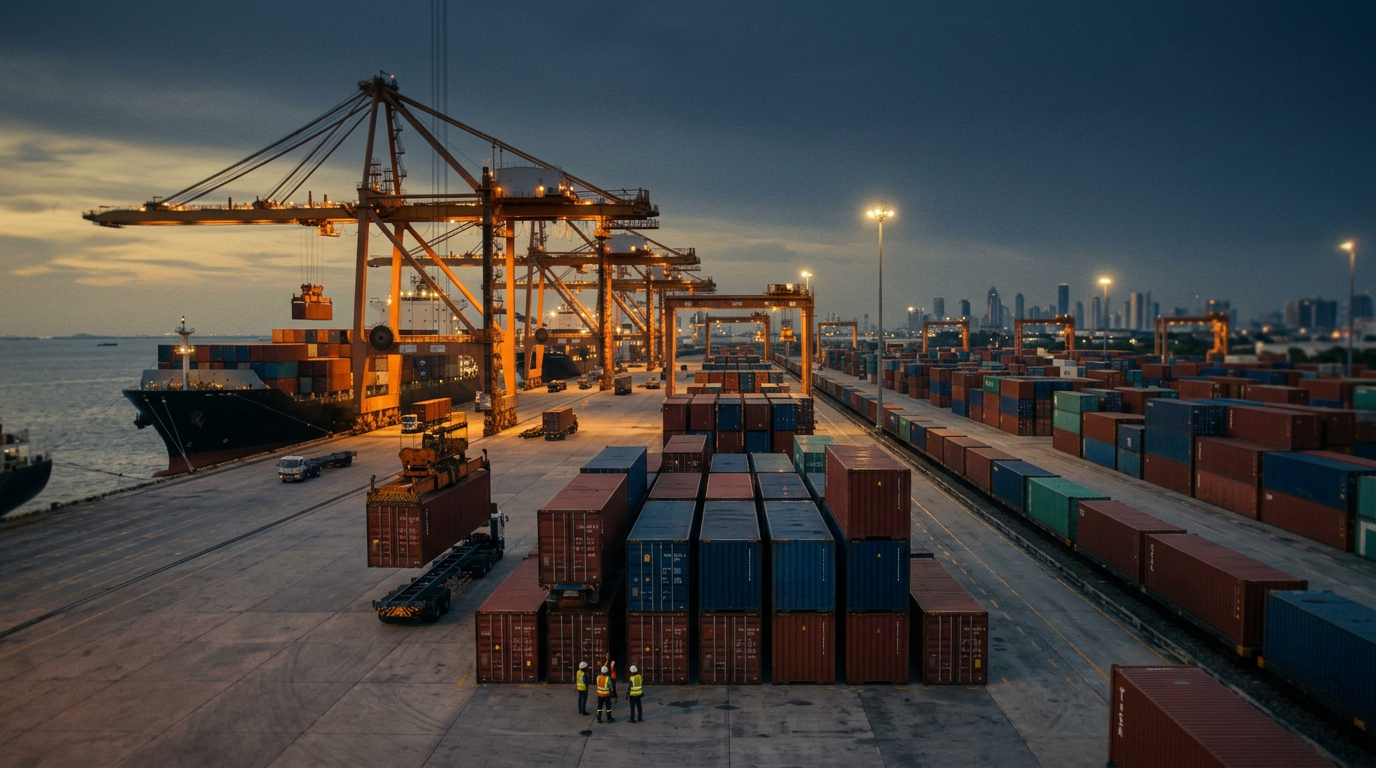
: New Listing Rules Are No Substitute for FDI Fundamentals
Thailand's Stock Exchange of Thailand (SET) has changed its rules to attract more foreign listings. But new rules alone do not guarantee new investment. Execution on the ground remains the primary task.
 Vietnam
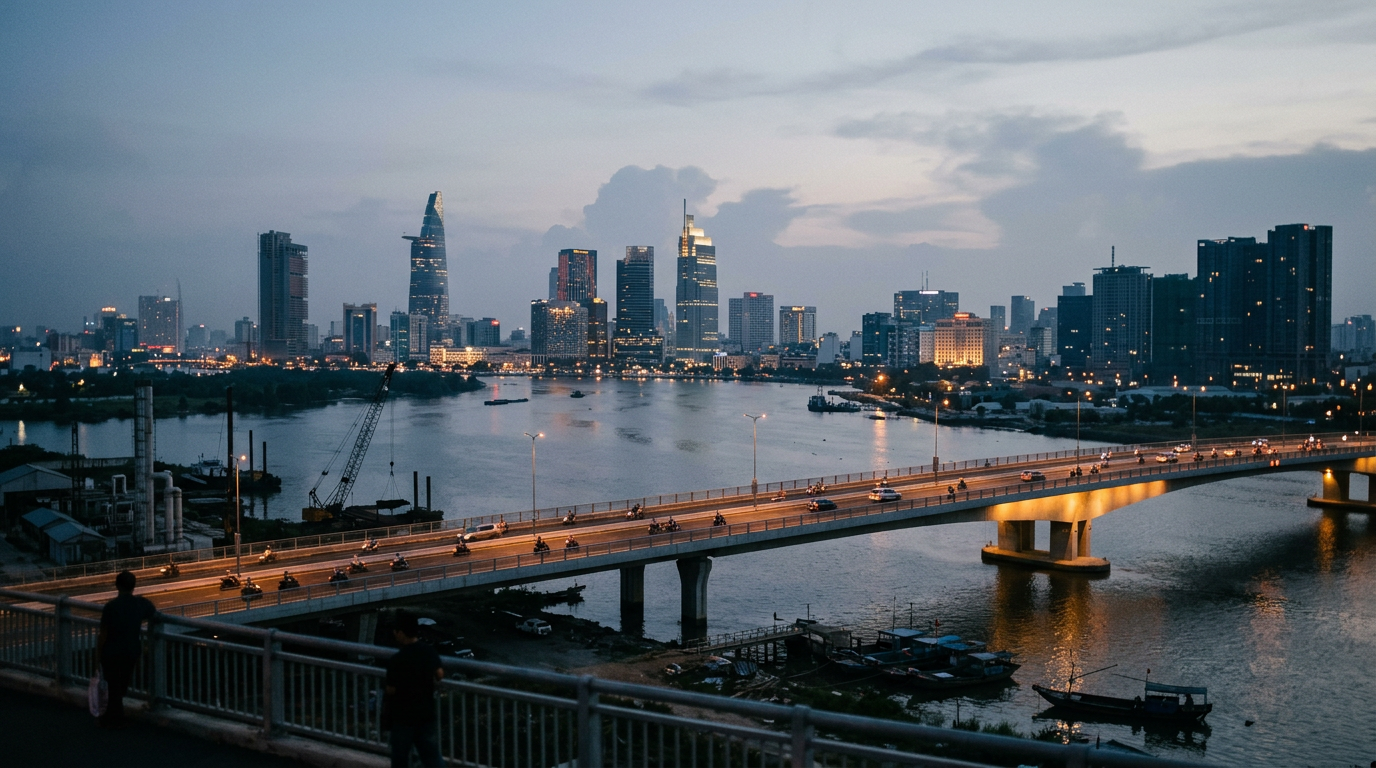
's Gold Price Divergence Signals Deeper Imbalances
Vietnam's decision to allow a new firm to produce gold bars for the first time in over a decade reflects deeper imbalances in its economy, where a strong preference for gold is a symptom of wider challenges.
 Thailand
's ETF Push Meets Institutional Reality
Thailand's SEC is seeking public feedback on rules for crypto ETFs. The move highlights the institutional challenges of turning regulatory ambition into investable assets.
 Thailand
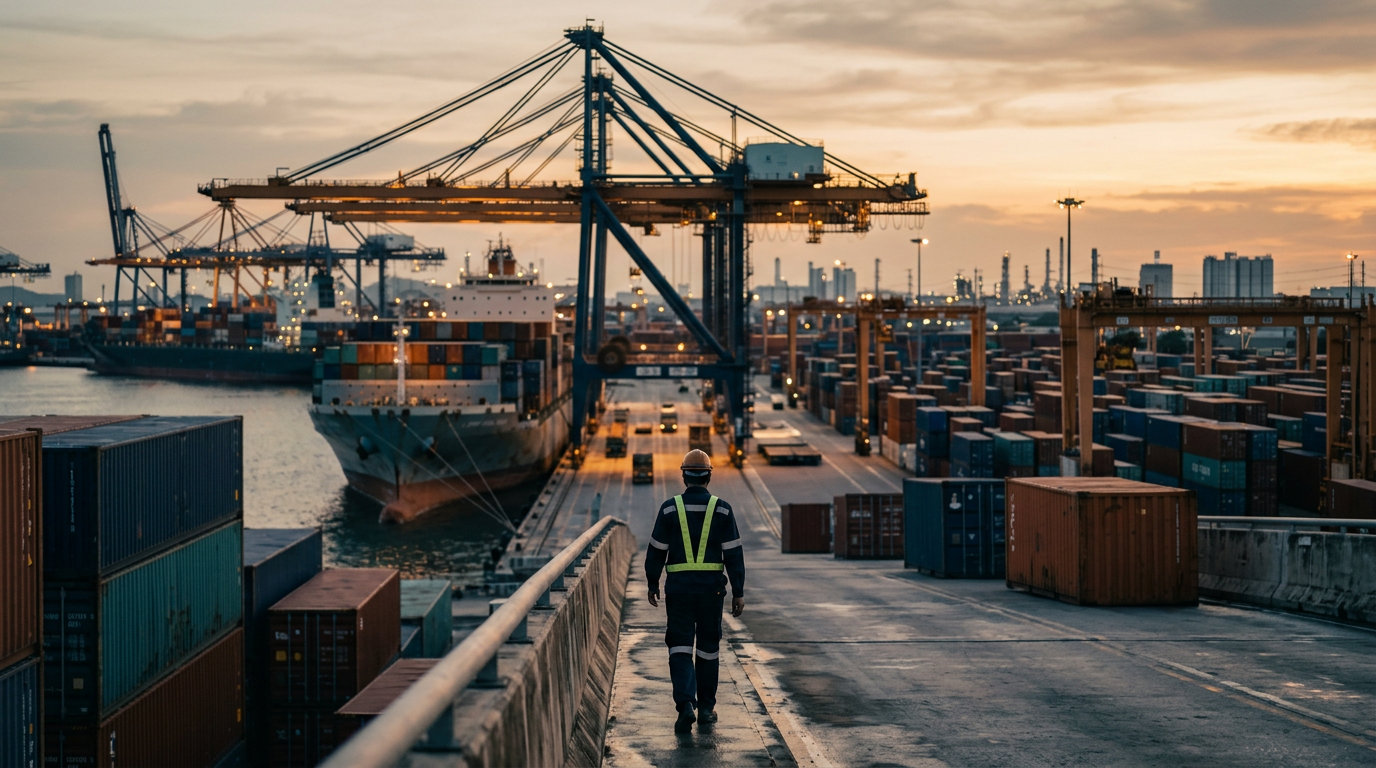
Can Thailand Turn Investor Bullishness Into Deeper Capital Inflows?
Foreign brokerages are bullish on Thai equities, but turning sentiment into realised foreign investment depends on the government's ability to execute on its economic and investment policies.

 Malaysia
Singapore's Enduring Appeal in Commercial Real Estate
A reported S$2.4 billion deal for a Singapore landmark highlights the city-state's institutional strengths and its role as a stable hub for regional capital, even as neighbours build their own capacity.
 Singapore
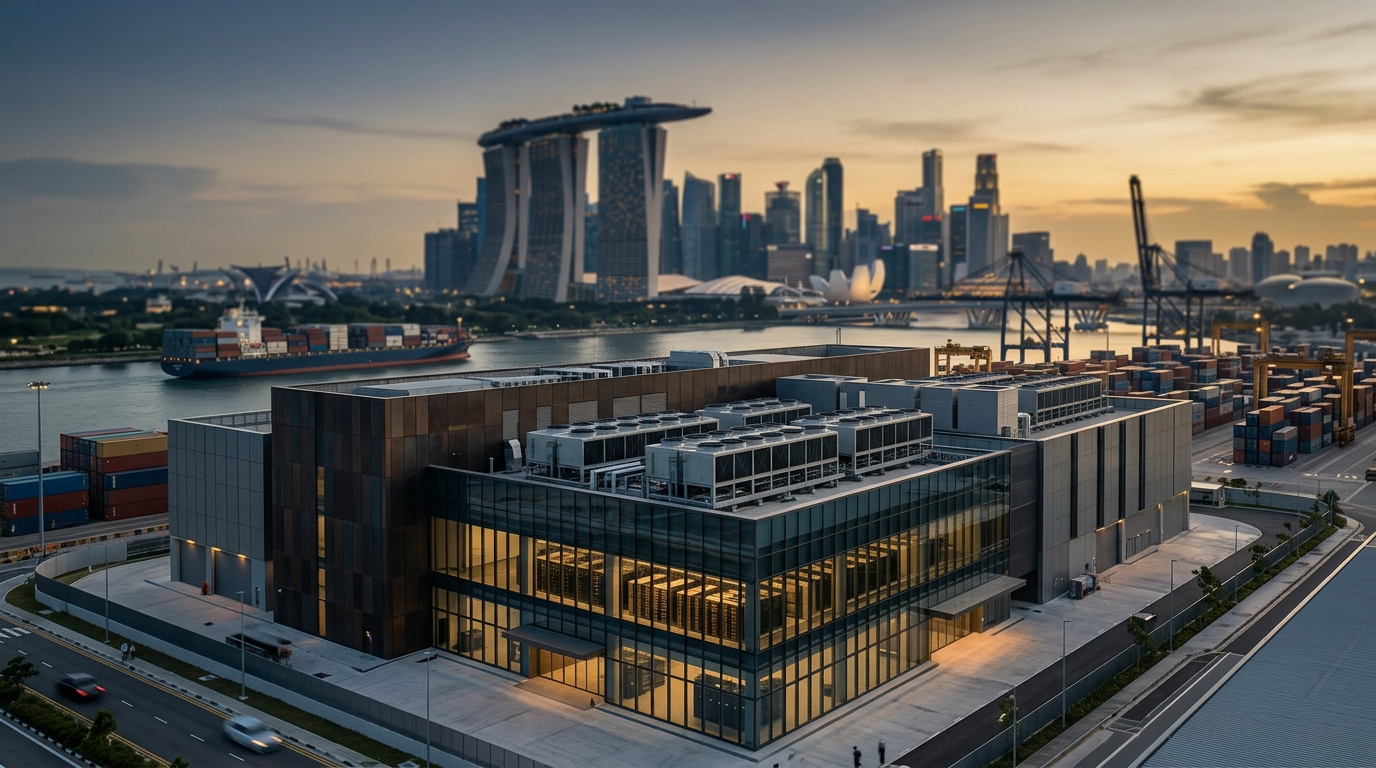
 Tests Its Hyperscale Recipe
A confidential US IPO filing by a Singapore-based data center operator puts the country's capital coordination model to the test, revealing the institutional strengths that attract global capital to its digital infrastructure market.
 Singapore
, Data Centres, and the Power of Coordinated Capital
DayOne's IPO filing shows how Singapore's coordinated approach to infrastructure, regulation, and capital allocation creates an environment where high-value, hyperscale projects can succeed.
 Thailand
Foreign Capital Flows Return to Thailand. Is This Time Different?
FDI announcements travel quickly. Realised flows depend on the slower work of land, permits, power and talent reaching the ground. Can Thailand convert investor interest into tangible assets?
 Vietnam
's FDI Ambitions Test Its Institutional Capacity
Vietnam has secured a steady stream of foreign direct investment announcements. The real test is turning those announcements into realised flows on the ground through institutional reform.
 Thailand
: Market Confidence is Not a Substitute for Execution
Bullish stock market predictions are a vote of confidence in Thailand, but sustainable growth depends on the slower work of building investable depth.
 Malaysia
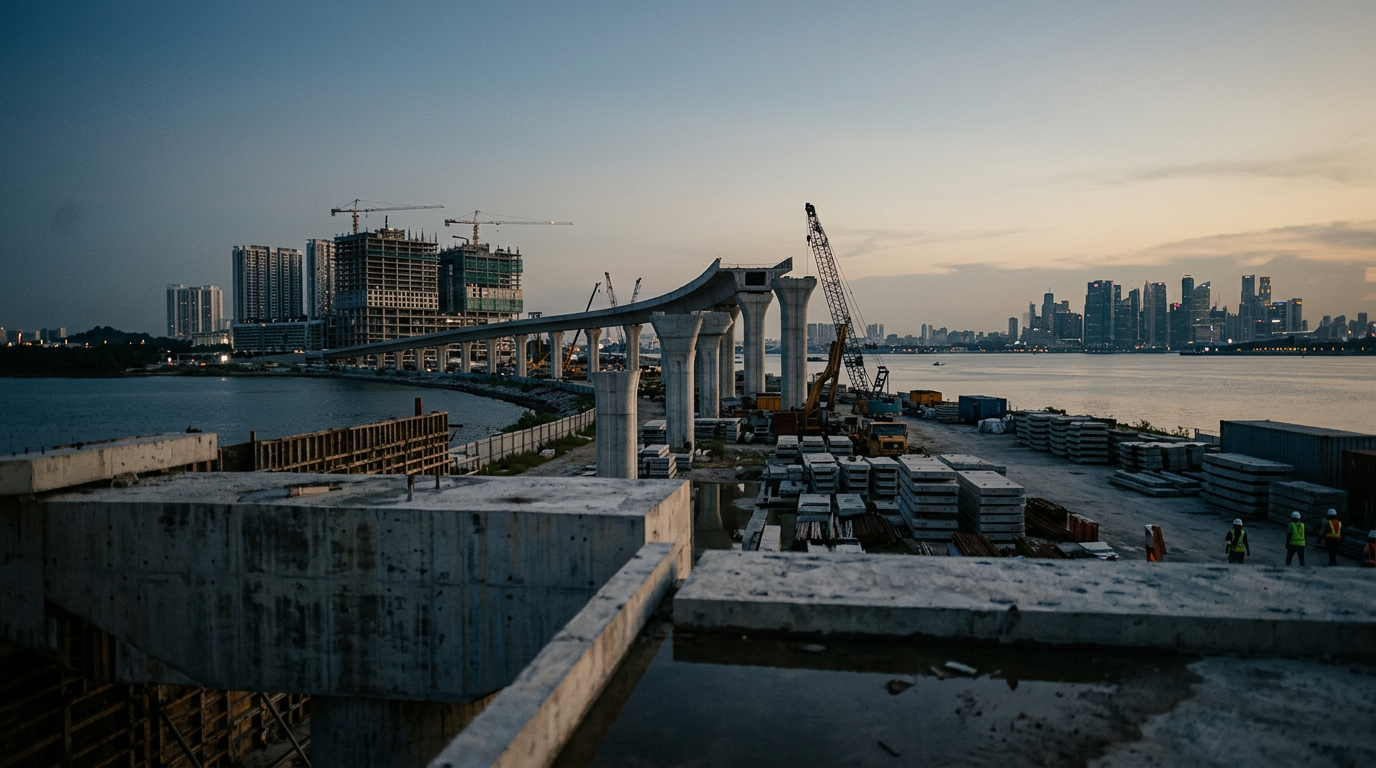
's IPO Hurdles Highlight the Cost of Institutional Friction
A planned property IPO in Johor, Malaysia, linked to the Singapore Rapid Transit System, faces challenges. This reflects a broader ASEAN theme: the gap between ambitious infrastructure plans and the institutional capacity to execute them smoothly.
 Singapore
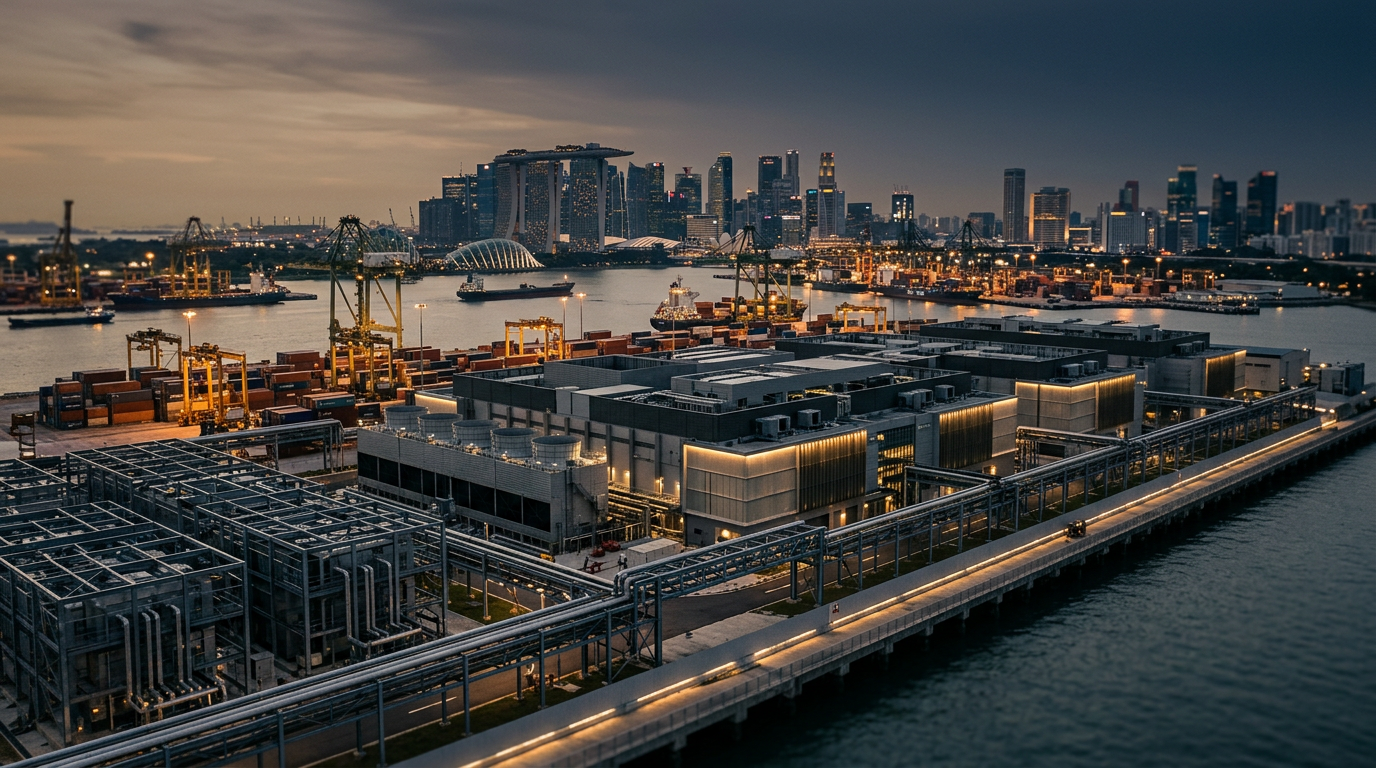
Singtel's Data Centre Strategy and the Power of Capital Coordination
Singtel's exploration of a dual listing for its data centre arm Nxera is more than a financial maneuver. It's a case study in the strategic deployment of capital to build hyperscale infrastructure, a concept central to Singapore's continued dominance in the sector.