Indonesia
 and the Long Road from FDI Pledges to Production
FDI pledges travel at the speed of headlines, but realised investment depends on the slower work of land, permits, power, and talent. For Indonesia, turning promises into production is the core task.
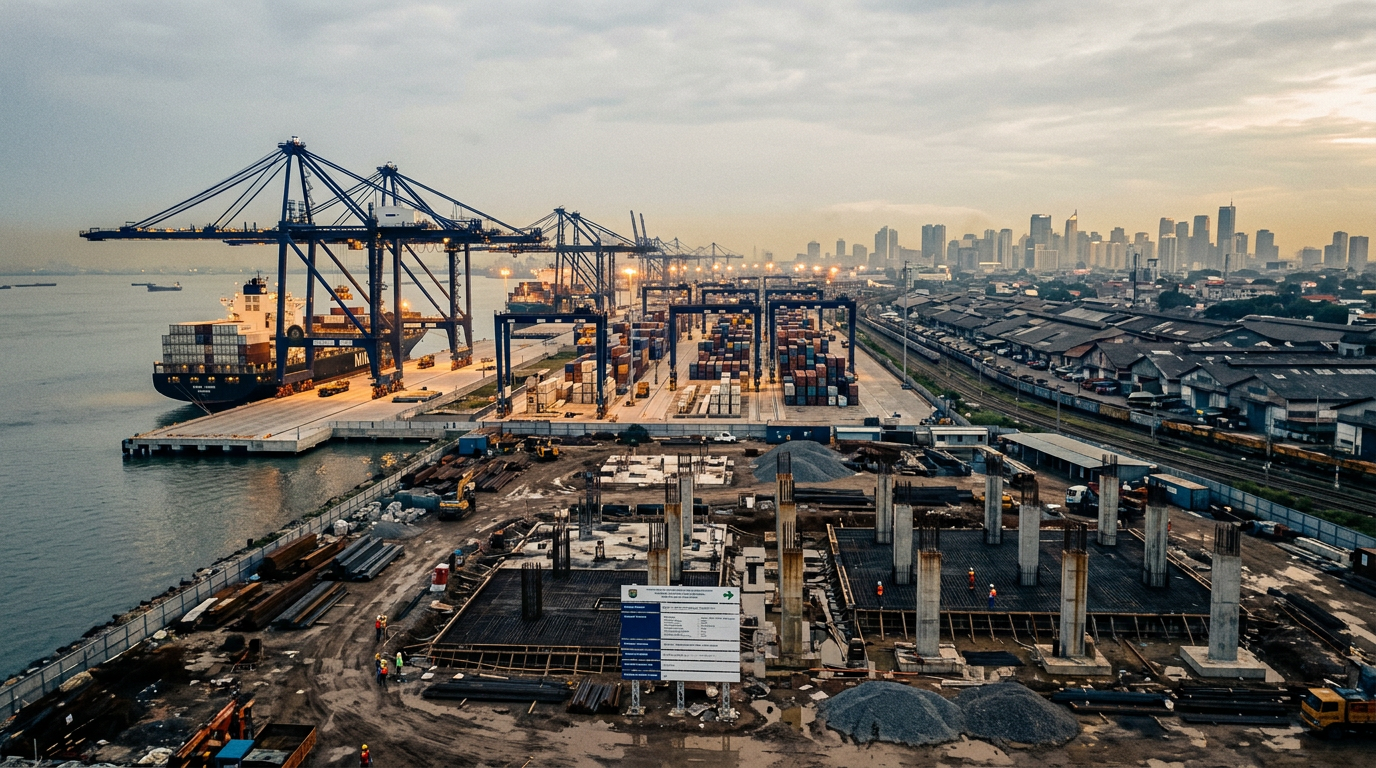
Indonesian policymakers are rightly focused on the downstreaming of industrial policy, a strategy to increase the onshore value-add of its natural resource wealth. Nickel has been the proving ground, with a ban on the export of raw ore forcing investment into local processing and manufacturing, including for electric vehicle batteries. The strategy is now expanding to other critical minerals, with bauxite exports next in line. The goal is to transform Indonesia from a supplier of raw materials into a hub of industrial production.
As reported by the Jakarta Post, some analysts are now cautioning that this policy requires a parallel focus on industrial deepening. A flood of foreign direct investment into smelters and processing plants is a positive first step, but it is not sufficient for long-term industrial strength. Without a corresponding development of domestic supporting industries and a wider manufacturing ecosystem, the downstreaming policy risks creating isolated industrial islands that have limited connection to the broader national economy.
From FDI Pledges to Investable Depth
Attracting multi-billion dollar investment announcements is one measure of success. Yet, as the book "ASEAN Rising" notes, headlines about foreign investment travel quickly, while the actual flow of capital depends on slower, more foundational work. For Indonesia, the challenge is to convert its significant scale-a large population and abundant resources-into what the book calls "investable depth."
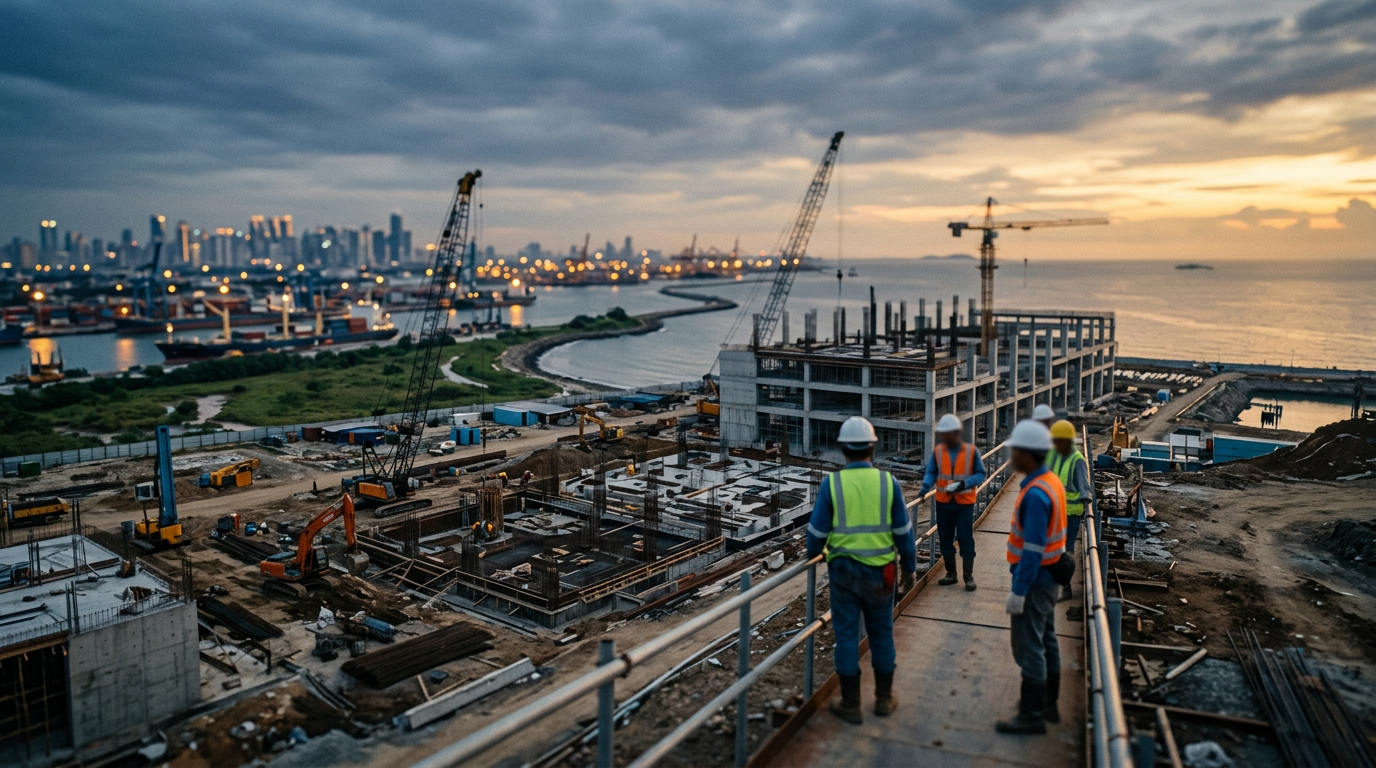
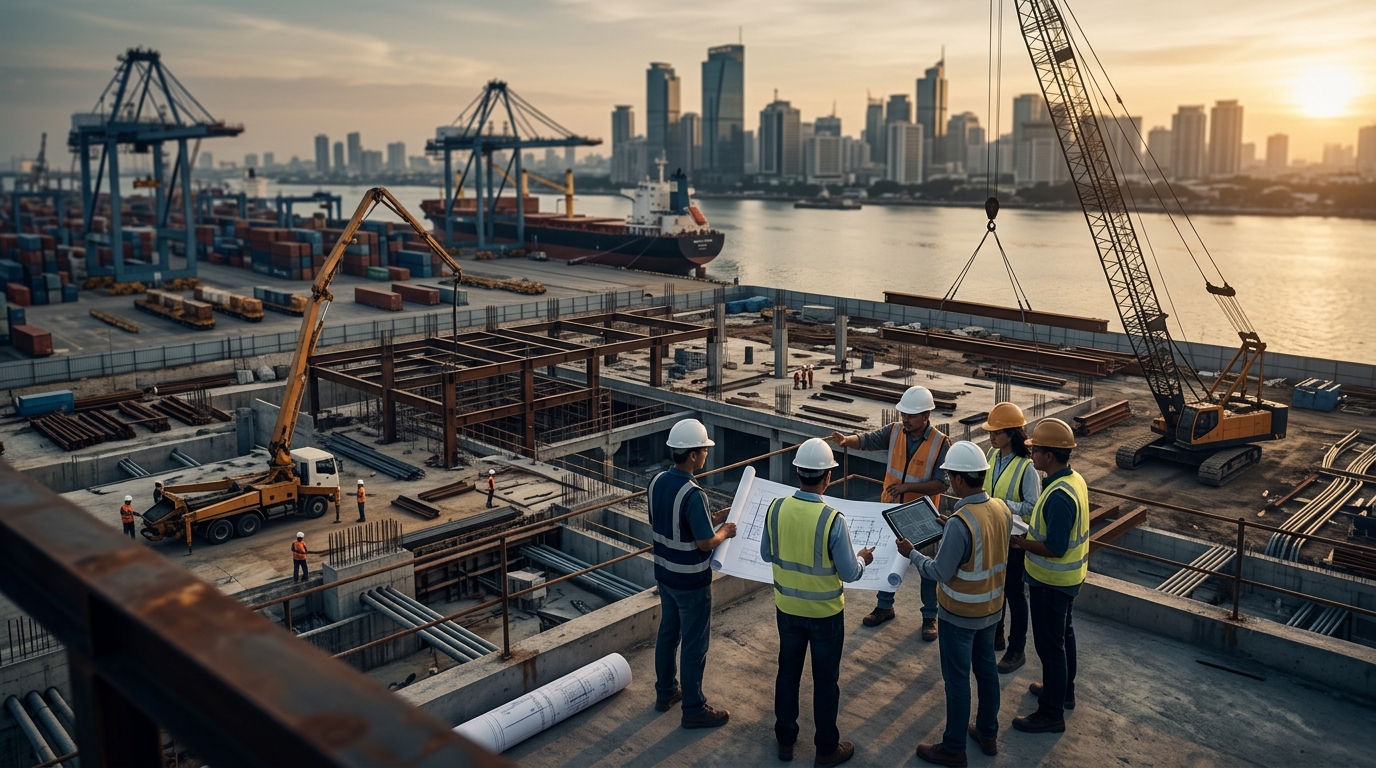
This is where institutions and execution become paramount. The core argument is that "scale matters only when institutions can turn it into investable depth." Realising the full value of FDI pledges depends on the government's ability to deliver on the fundamentals: securing land, streamlining permits, providing reliable power, and ensuring a skilled workforce is available. These are the unglamorous but essential building blocks of industrial capacity. Indonesia has made progress, particularly through its Omnibus Law on Job Creation, but implementation remains an ongoing task.
Building a Domestic Ecosystem
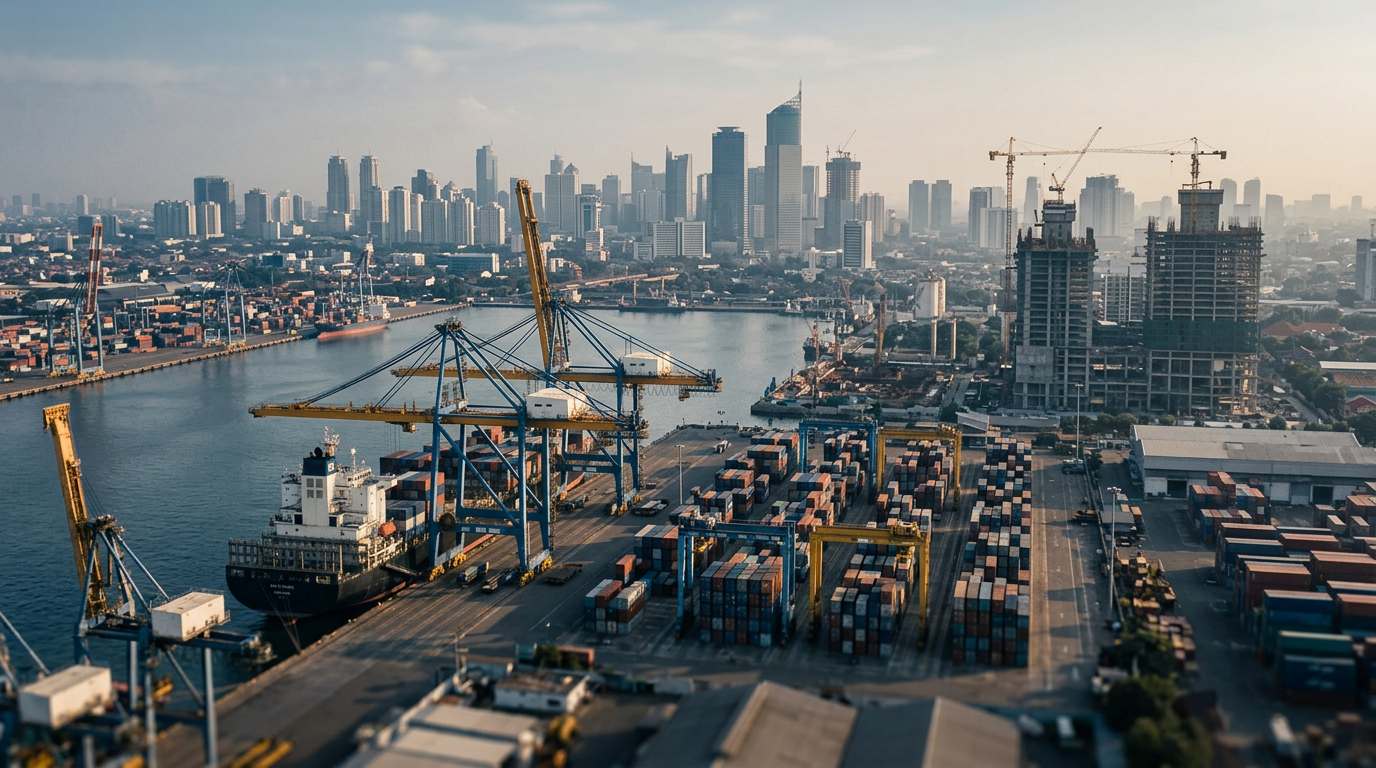
The risk identified by economists is that the current wave of investment, while substantial, may not be creating a durable, integrated industrial base. For downstreaming to succeed, Indonesia needs more than just smelters. It needs local suppliers who can provide machinery, components, and services. It needs a logistics network that can move goods efficiently from mines to factories to ports. It needs a workforce with the technical skills to operate and maintain advanced industrial facilities.
Without this supporting ecosystem, the benefits of the downstreaming policy may be limited. The profits from processing may flow offshore along with the finished goods, and the new industrial parks could remain disconnected from the domestic economy. The government's task is to use the momentum from FDI to catalyze the growth of these supporting industries, ensuring that the value generated is captured within Indonesia.
What to watch
The key indicator to watch is not the headline FDI number, but the growth of second and third-tier domestic firms that can link into the supply chains of the large, foreign-funded projects. The government's ability to connect its downstreaming strategy with broader industrial policy-fostering local innovation, upgrading workforce skills, and improving infrastructure beyond the immediate vicinity of the new industrial parks-will determine whether this strategy leads to comprehensive and sustainable economic development.