Indonesia
Turning Green Pledges into Reality in Indonesia
Announced investment is one thing; realised investment is another. Indonesia is learning this lesson as it tries to translate green FDI pledges into projects on the ground.
An ESG symposium in Bangkok has urged ASEAN countries to focus on an inclusive green transition, according to a recent Bangkok Post report. The discussion highlighted the need for pathways that drive industrial competitiveness and investment. For a country like Indonesia, which has attracted significant headlines for green foreign direct investment (FDI), the symposium's focus on inclusivity and execution is timely. The gap between announced and realised investment remains a significant hurdle in turning ambition into assets.
From Ambition to Assets
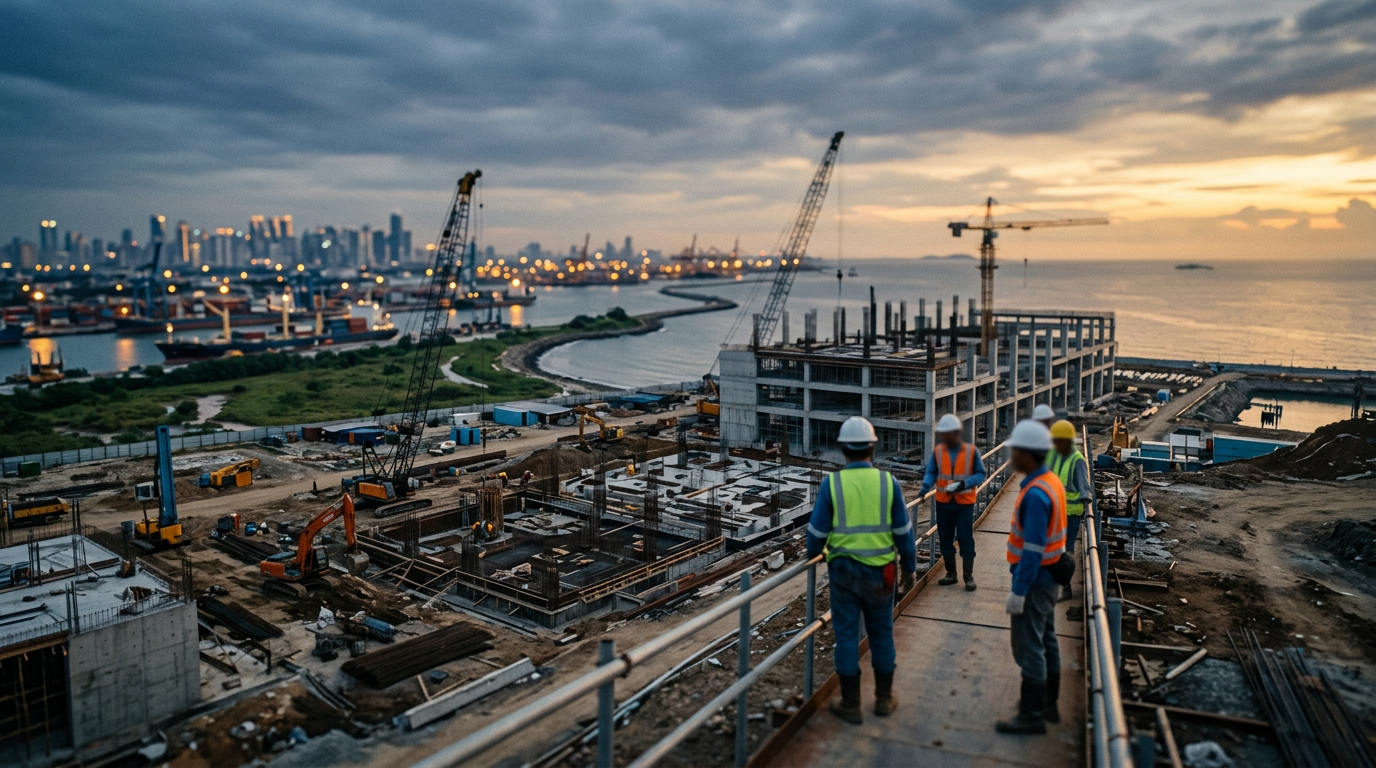
Indonesia possesses immense scale, a key attraction for international investors looking at the green transition. The country's nickel reserves are essential for battery production, and its potential for renewable energy is vast. This has led to a series of high-profile investment announcements in recent years. However, translating these announcements into operating projects is a different matter. As the book "ASEAN Rising" notes, "realised flows depend on the slower work of land, permits, power and talent reaching the ground." This is the core of Indonesia's challenge: building the institutional capacity to absorb and deploy large-scale capital effectively.
The Implementation Gap
Investors require more than promises. They need clear regulations, streamlined permitting processes, and reliable infrastructure. In Indonesia, overlapping jurisdictions between national and sub-national authorities can complicate land acquisition and environmental approvals. Securing a reliable power source for a new industrial facility or ensuring that the local grid can handle inputs from a new geothermal plant are not trivial tasks. Furthermore, the development of a skilled workforce, from technicians to engineers, must keep pace with the demands of new, technologically advanced industries. Without these foundational elements in place, capital remains on the sidelines and pledges stay on paper.
Inclusivity as a Strategy
The symposium's emphasis on an "inclusive" transition is not just a social goal; it is an economic necessity. Projects that fail to engage with local communities or create tangible local benefits often face delays and opposition. In Indonesia, ensuring that local populations see a stake in large-scale green industrial projects is essential for their long-term viability. This means creating jobs, investing in local training programs, and managing environmental impacts transparently. An inclusive approach builds trust and social license, de-risking investments and accelerating the pace of development. It transforms a top-down pledge into a bottom-up reality.
What to watch: The rate at which Indonesia can streamline its project approval and implementation workflows will determine its success. Observers should monitor the progress of specific large-scale green FDI projects, not just their initial announcements. The ability of Indonesian institutions to coordinate on land, labor, and infrastructure will show whether the country can close the gap between its green ambitions and its capacity to execute.