Indonesia
Green Pledges, Ground Realities in ASEAN
Ambitious climate targets and FDI announcements in ASEAN are meeting the difficult realities of execution. Turning sustainability goals into realized investment requires a deep focus on the foundational elements of infrastructure, regulation, and talent.
An ESG symposium this week urged the Association of Southeast Asian Nations (ASEAN) to pursue an inclusive green transition, according to a report from the Bangkok Post. The meeting highlighted the need to build industrial competitiveness and investment to drive regional resilience. While such high-level commitments are welcome, they draw attention to the wide gap between stated goals and the on-the-ground reality of executing large-scale projects.
Indonesia, the region's largest economy, provides a compelling case study. The country has set ambitious targets for developing its electric vehicle (EV) battery industry, leveraging its vast nickel reserves to attract international investment. The government is targeting the production of 600,000 EVs by 2030, a goal that requires substantial foreign direct investment (FDI) not just in mineral processing but across the entire supply chain. However, translating these large-scale announcements into operational assets is a complex undertaking.
The Execution Deficit
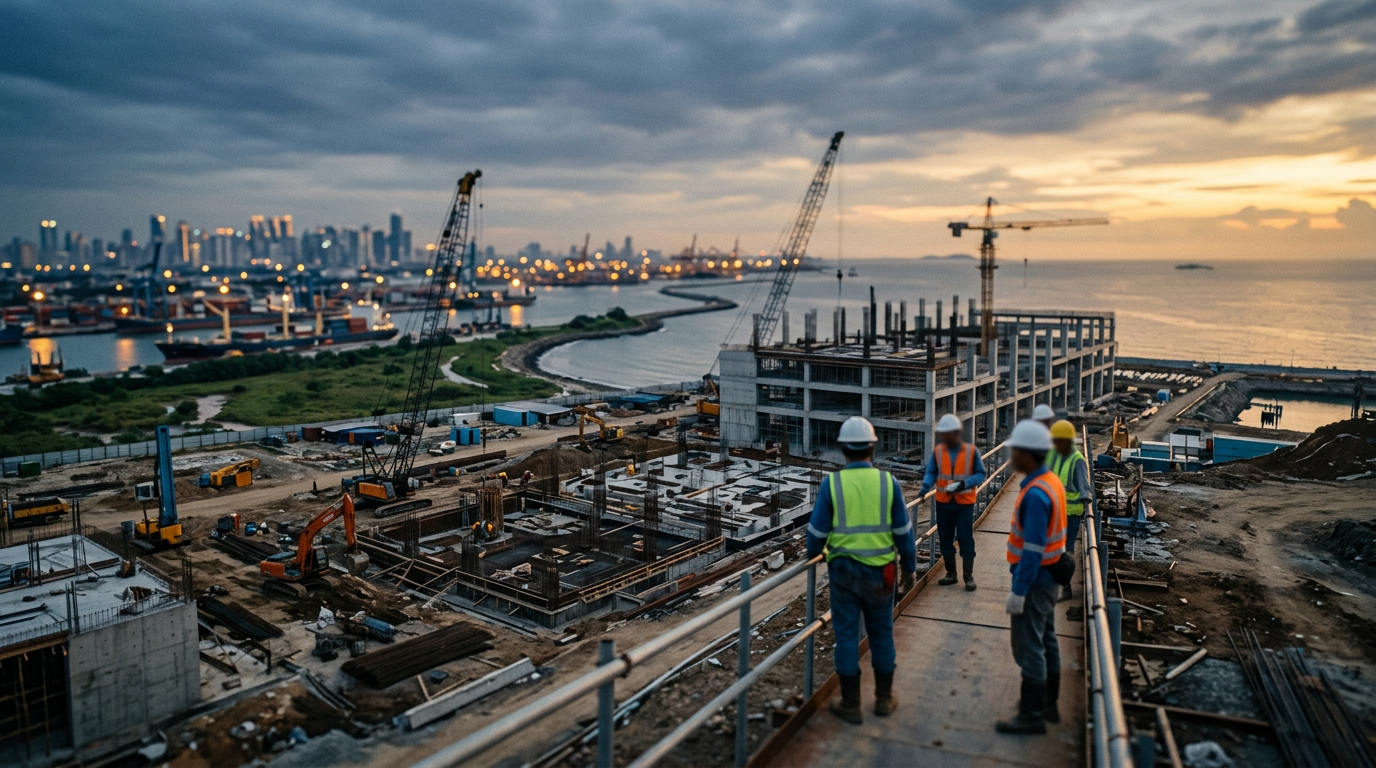
Big announcements generate headlines, but capital follows competence. As the book "ASEAN Rising" notes, "FDI announcements travel quickly. Realised flows depend on the slower work of land, permits, power and talent reaching the ground." This observation is particularly relevant to Indonesia's downstream nickel strategy and its broader green energy ambitions. Foreign partners have committed billions of dollars, but the pace of development is often constrained by fundamental logistical and regulatory hurdles.
Securing land for industrial parks, ensuring reliable and clean power supply, and navigating a multi-layered bureaucracy for permits are persistent challenges. These factors, not the initial investment pledges, determine the actual speed and success of industrial development. For Indonesia to convert its strategic mineral wealth into a sustainable industrial base, its institutions must become more efficient and transparent at facilitating the core components of project execution.
Institutions and Infrastructure
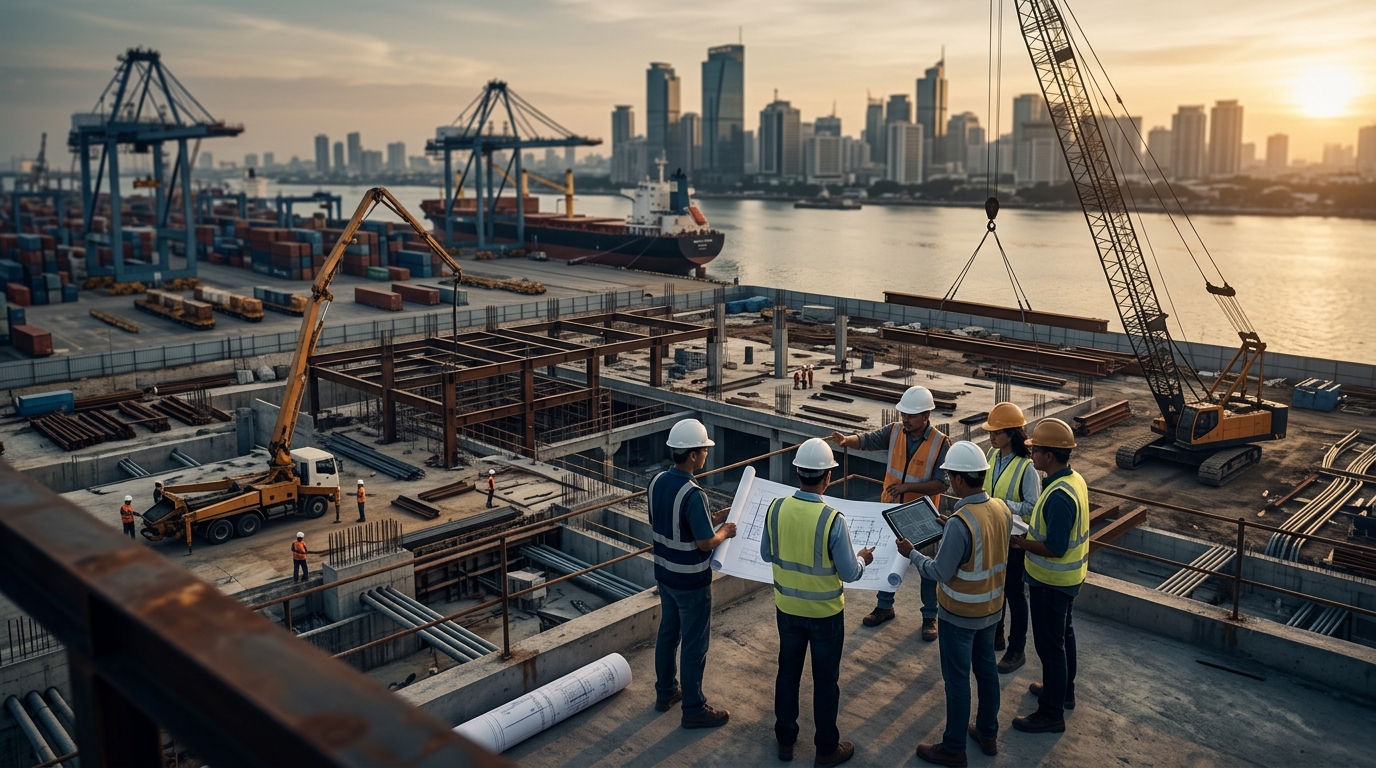
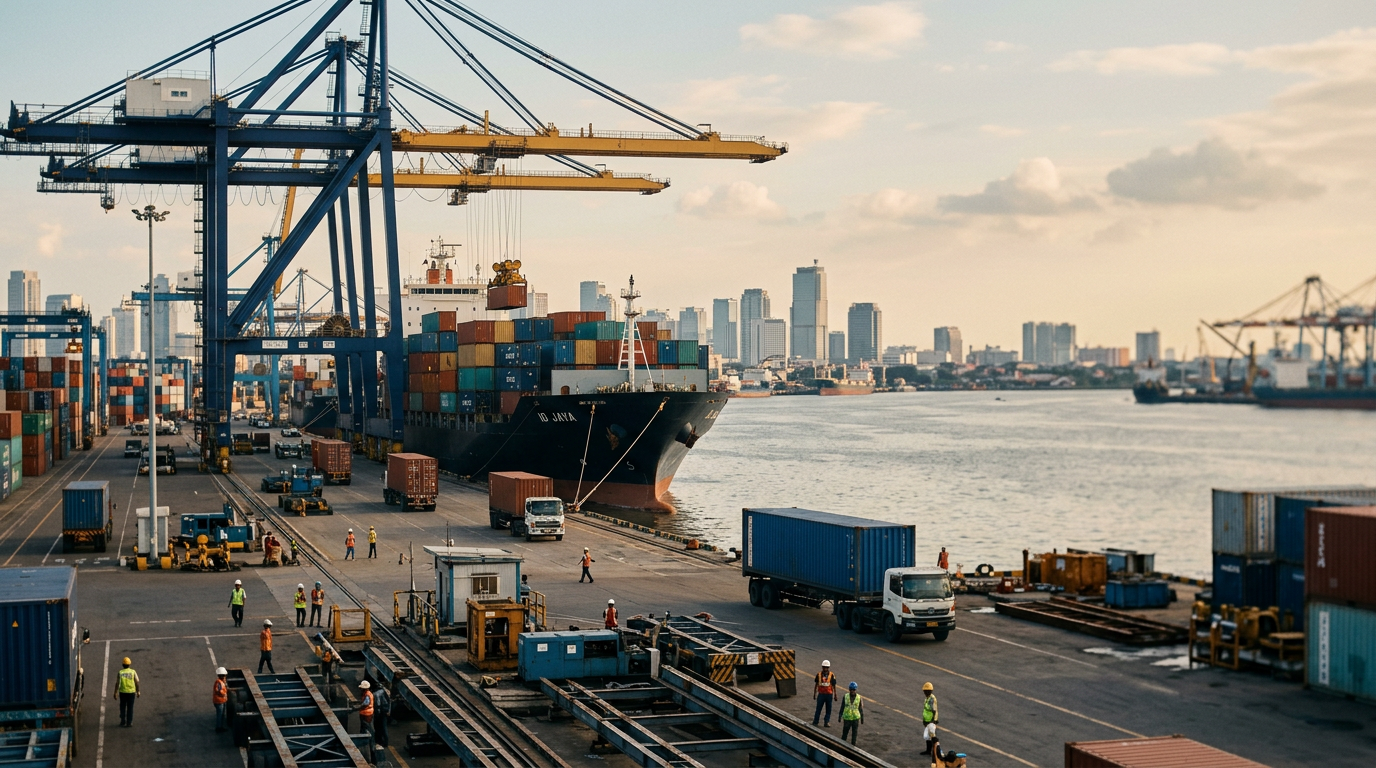
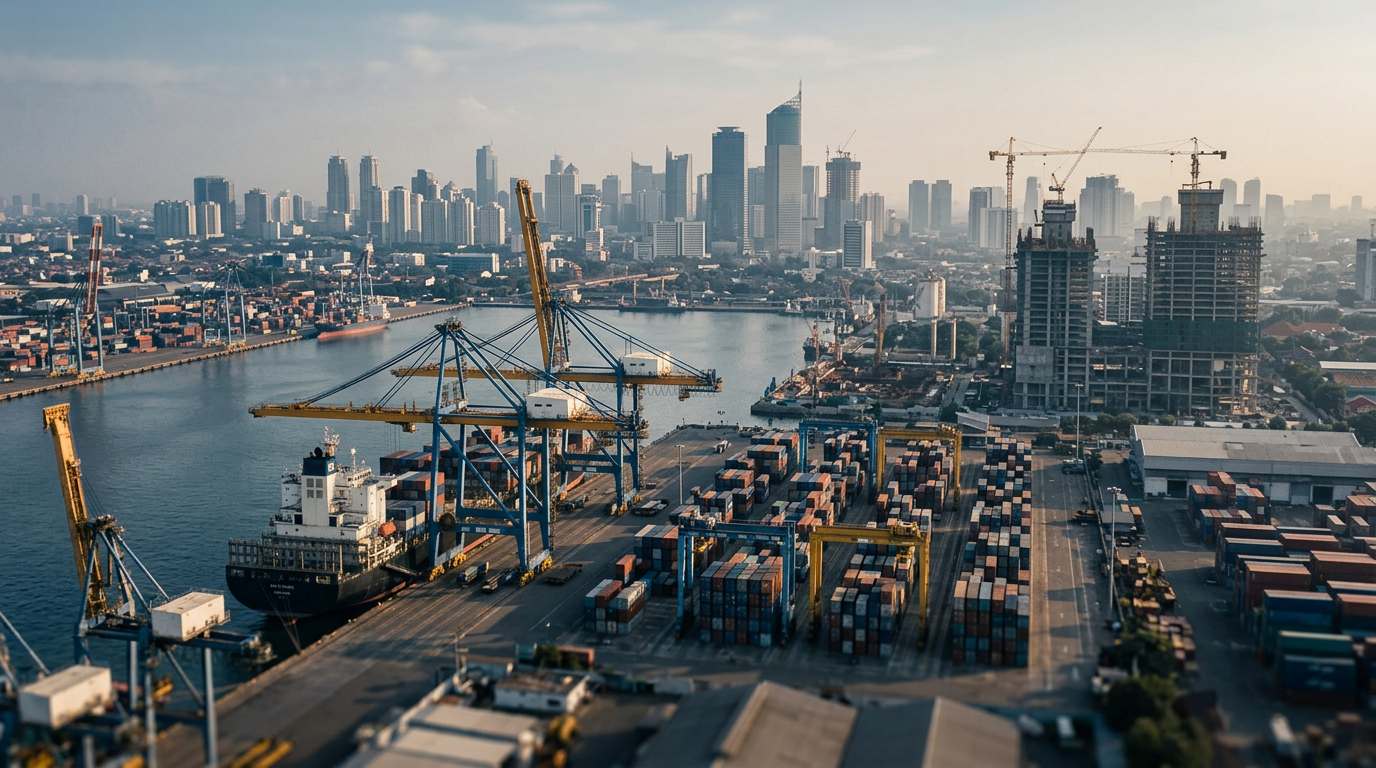
The push for a green transition brings ASEAN's infrastructure and institutional readiness into sharp focus. In Indonesia's case, developing a domestic EV ecosystem requires more than just smelters. It needs a reliable power grid capable of handling increased industrial load, preferably from renewable sources to meet ESG standards. It demands road and port infrastructure to move raw materials and finished goods efficiently. It also requires a clear and stable regulatory framework that gives investors confidence over the multi-decade lifespan of their projects.
Scale is an asset, but only when supported by capable institutions. The Indonesian government has made efforts to streamline investment approvals through its Omnibus Law on Job Creation, but implementation remains uneven. For ASEAN to achieve an "inclusive green transition," member states must prioritize the unglamorous work of building institutional capacity and upgrading physical infrastructure. Without this foundation, ambitious regional goals for sustainability and competitiveness will struggle to materialize.
What to watch
Pay attention to the rate of realized FDI in sectors like nickel processing and EV manufacturing, compared to the initial announcements. Monitor the progress of infrastructure projects designed to support these new industrial zones, particularly in energy generation and logistics. The ability of ASEAN governments, especially Indonesia's, to align national development plans with the practical, on-the-ground requirements of foreign investors will determine whether the region's green ambitions become an economic reality.