
ASEAN Analysis & Commentary
Every analysis published on ASEAN Rising is sourced, datestamped and signed. We're more interested in being right in 12 months than first in 12 minutes.
Foundation pieces
Start here. The three pieces below set out the lens ASEAN Rising uses to read every story.
ASEAN Rising's core lens. Execution Economics is the study of whether countries, companies and institutions can convert obvious potential into delivered outcomes - and which six pillars decide the answer.
The region has capital, demographics, location and policy ambition. None of that has ever been the binding constraint. The next decade is an execution test, not a potential test - and it is already being scored.
Malaysia is the test case for whether ASEAN's middle powers can turn FDI, semiconductors and data centres into compounding domestic capability. Read the live coverage and execution scorecard.
Analysis tagged #Talent

 Malaysia
's Data Centre Boom Tests Its Foundations
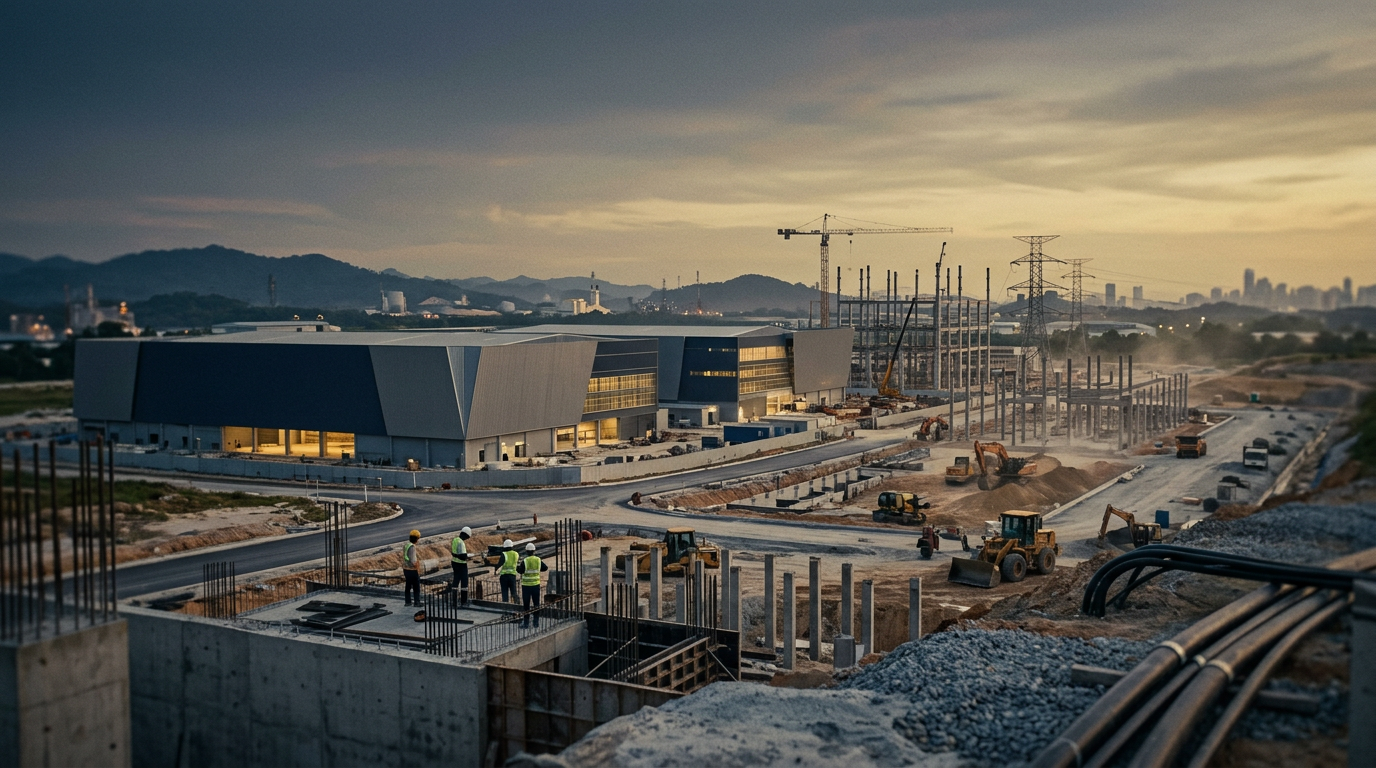
Malaysia's data centre boom is attracting global tech giants, but turning these announcements into reality requires a focus on infrastructure, talent, and regulatory execution.
 Malaysia
's Data Centre Boom Demands Foundational Strength
Malaysia is attracting substantial FDI for data centres, but realising this investment depends on the slower, harder work of improving institutions, infrastructure, and talent.
 Malaysia
's Data Centre Boom is a Test of Execution
Malaysia has attracted significant foreign investment into its data centre sector. Now comes the slower work of execution - turning announcements into operational assets through land, power, and talent.
 Malaysia
's Data Centre Boom Tests Its Infrastructure
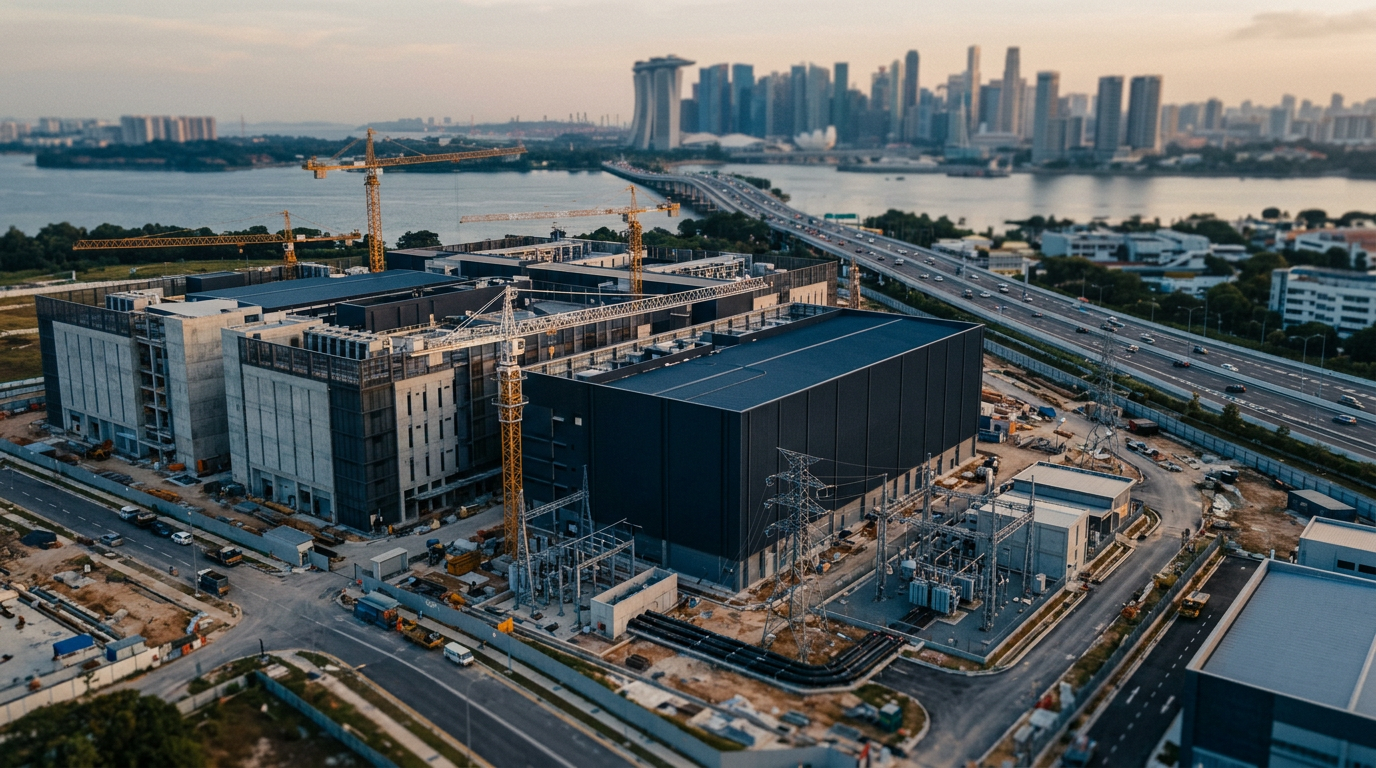
S&P's resilient economic outlook for Malaysia hinges on manufacturing, infrastructure, and a booming data centre sector. Yet the slow work of permits, power, and talent will determine if announced FDI translates to realised growth.
 Malaysia
's Data Centre Boom Tests Its Foundations
Malaysia's economic outlook is resilient, with data centres as a growth driver. Yet the slower work of land, permits, power, and talent will determine if announced FDI translates to realised flows on the ground.

 Thailand
: Beyond the Semiconductor Hype
Thailand is courting global semiconductor giants with ambitious investment targets. But mega-projects require more than just capital; they demand a solid foundation of infrastructure, skilled talent, and institutional support to succeed.

 Myanmar
State Capacity and the Silicon Carbide Future
A partnership between Infineon and Eaton to develop new solid-state transformers for data centers underscores the link between industrial policy, state capacity, and ASEAN's economic future. The venture highlights how institutional reliability can be a significant comparative.

 Philippines
Philippine Airlines bets on India links
New nonstop flights from Manila to Delhi and Mumbai are a bet on deeper economic ties. But for aviation to enable investment, the slower work of improving infrastructure and talent on the ground is essential.
 Thailand
Foreign Direct Investment in ASEAN: From Announcement to Execution
Foreign investment pledges are one thing; realised investment is another. HSBC's focus on the Thailand-Japan corridor highlights the long-term institutional work required to turn FDI announcements into tangible assets and growth.

 Singapore
 Scales Up: Foreign Talent and the Infrastructure Test
Singapore's reliance on foreign labor for major infrastructure projects like Changi T5 highlights the critical link between talent, capital, and institutional execution in sustaining long-term growth.

ASEAN
The recent meeting between the ASEAN Secretary-General and the GSMA Director General highlights the region
 Singapore
, AI, and the Execution Test
Singapore's AI ambitions depend on far more than just capital. The execution test lies in the coordinated delivery of land, power, and talent.

 Brunei
ASEAN Plus Three: Labor Interdependence with China, Japan, and Korea
The recent ASEAN Plus Three Labour Ministers Meeting shows how regional cooperation on labor, reskilling, and social protection is deepening. For ASEAN, this is not just about managing relations with its northern neighbors, but about building a more resilient and integrated.
 Thailand
Sovereign AI in ASEAN: Beyond the Models
The real test for sovereign AI in ASEAN is not about launching new models, but about who controls the underlying compute, data, and digital identity infrastructure.

 Vietnam
's FDI Surge Is A Story Of Execution
Foreign investment inflows to Vietnam surged in the first seven months of the year, but turning announcements into realised flows depends on the slower work of improving institutions and infrastructure.