
ASEAN Analysis & Commentary
Every analysis published on ASEAN Rising is sourced, datestamped and signed. We're more interested in being right in 12 months than first in 12 minutes.
Foundation pieces
Start here. The three pieces below set out the lens ASEAN Rising uses to read every story.
ASEAN Rising's core lens. Execution Economics is the study of whether countries, companies and institutions can convert obvious potential into delivered outcomes - and which six pillars decide the answer.
The region has capital, demographics, location and policy ambition. None of that has ever been the binding constraint. The next decade is an execution test, not a potential test - and it is already being scored.
Malaysia is the test case for whether ASEAN's middle powers can turn FDI, semiconductors and data centres into compounding domestic capability. Read the live coverage and execution scorecard.
Analysis tagged #Geopolitics
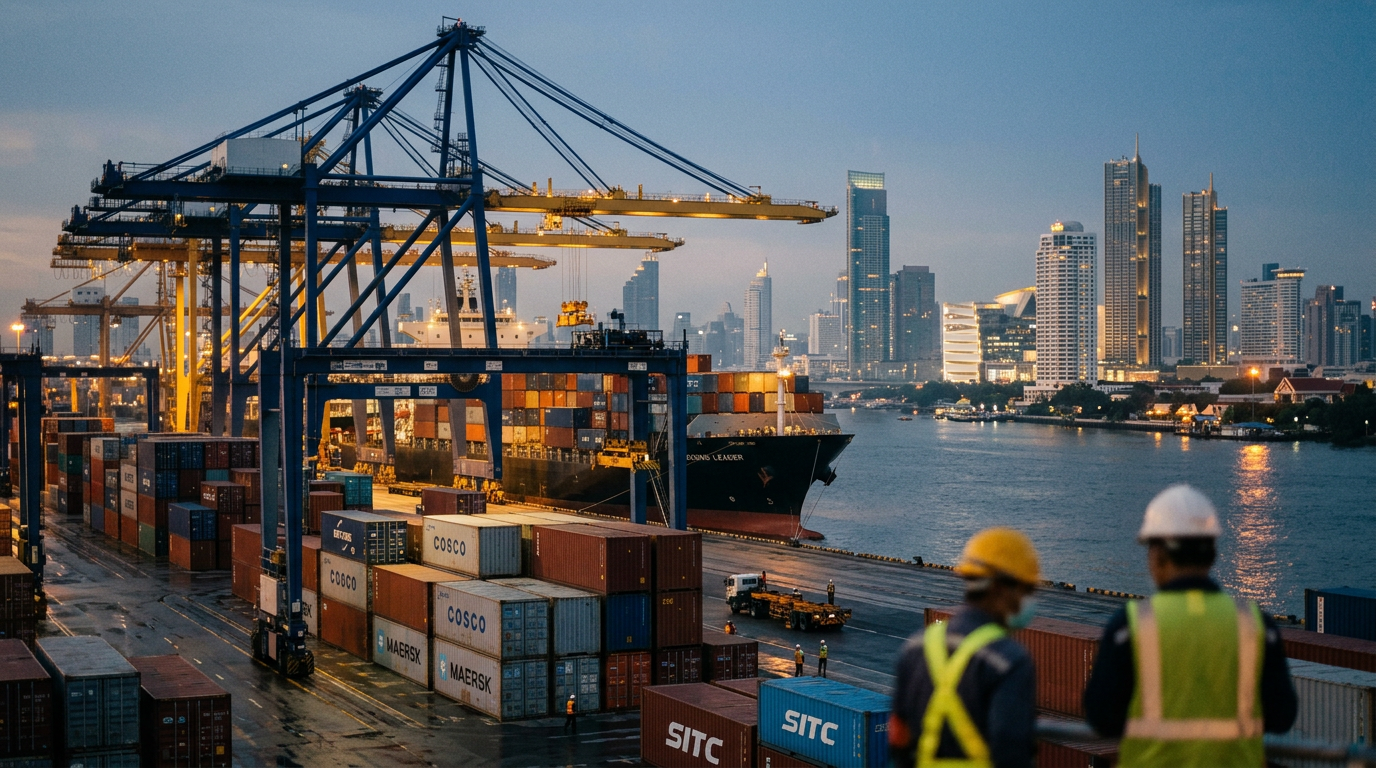
 Thailand
ASEAN-Canada Trade Talks and the China Question
The recent ASEAN-Canada trade talks are not just about market access. They are a test of ASEAN's ability to manage its deep economic ties with China while building institutional capacity to engage with other global powers.

The UK as an ASEAN Dialogue Partner: A Litmus Test for Openness
The recent ASEAN-UK economic consultation highlights a shared interest in deepening trade ties, but the real test lies in translating high-level commitments into tangible economic integration. For ASEAN, this is an opportunity to reaffirm its commitment to an open, rules-based.

 Philippines
Japan, ASEAN, and the China Question
The recent dialogue between ASEAN economic ministers and Japanese business leaders in Manila highlights a persistent theme: managing economic dependency in an era of intense strategic competition.

 Indonesia
, China, and the Commodity Supercycle: The Limits of 'One-Gate' Policy
Indonesia's plan to channel all strategic commodity exports through a single state-backed platform is an attempt to manage its deep trade relationship with China. This move highlights a core ASEAN dilemma: how to assert national interest in a market defined by Chinese demand.
 Philippines
The Philippines-Canada FTA as a Test of ASEAN Optionality
The ongoing trade negotiations between the Philippines and Canada are more than a simple bilateral exercise. They represent a tangible expression of a broader ASEAN strategic imperative: to build a diversified network of economic partners to manage the structural dependency on.
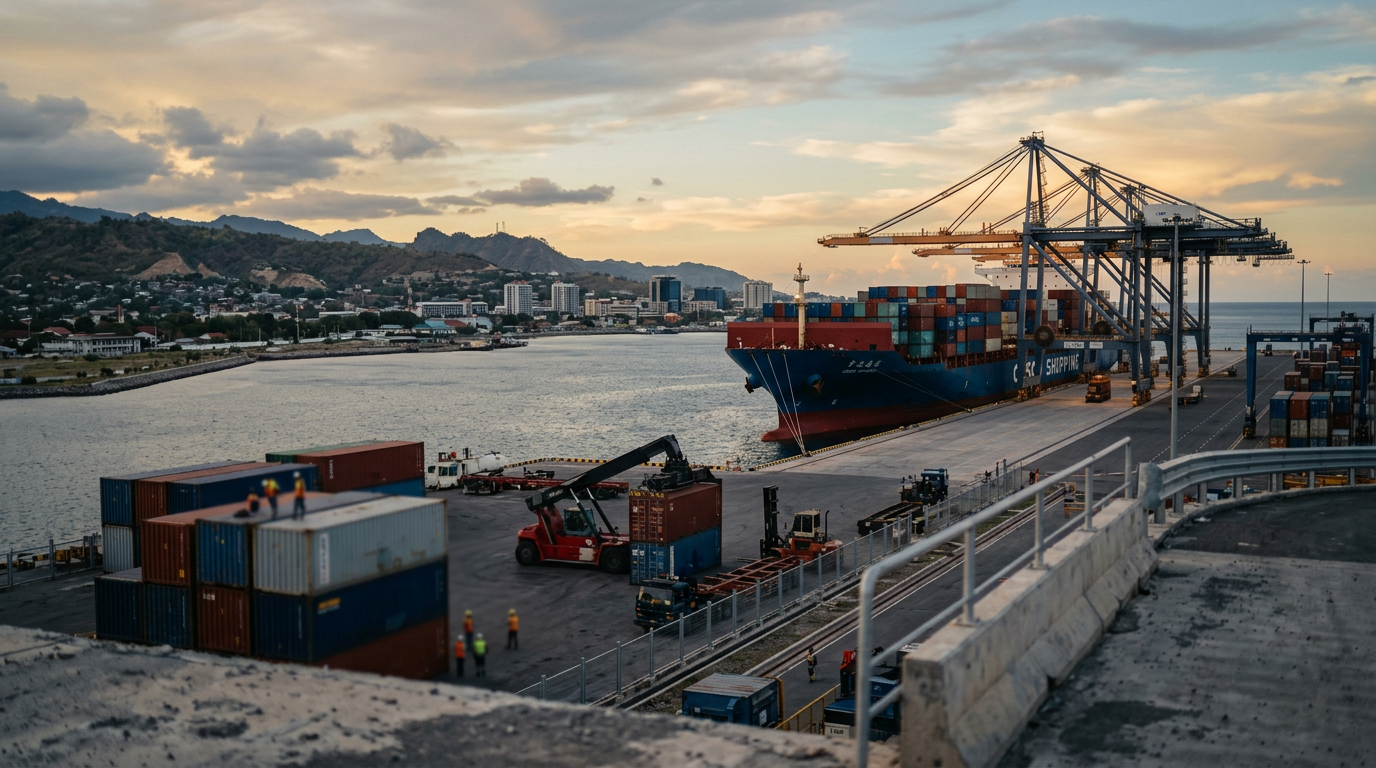
 Timor-Leste
's ASEAN Entry and the China Question
Timor-Leste's path to ASEAN membership is not just about institutional alignment; it's about inheriting the bloc's most significant structural challenge: managing deep economic ties with China while preserving strategic independence.
 Thailand
's China Jewelry Deal: A Study in Managed Dependency
A new trade deal between Thailand and China for gemstones and jewelry highlights a core ASEAN dilemma: how to deepen economic ties with Beijing while managing the strategic risks of dependency.
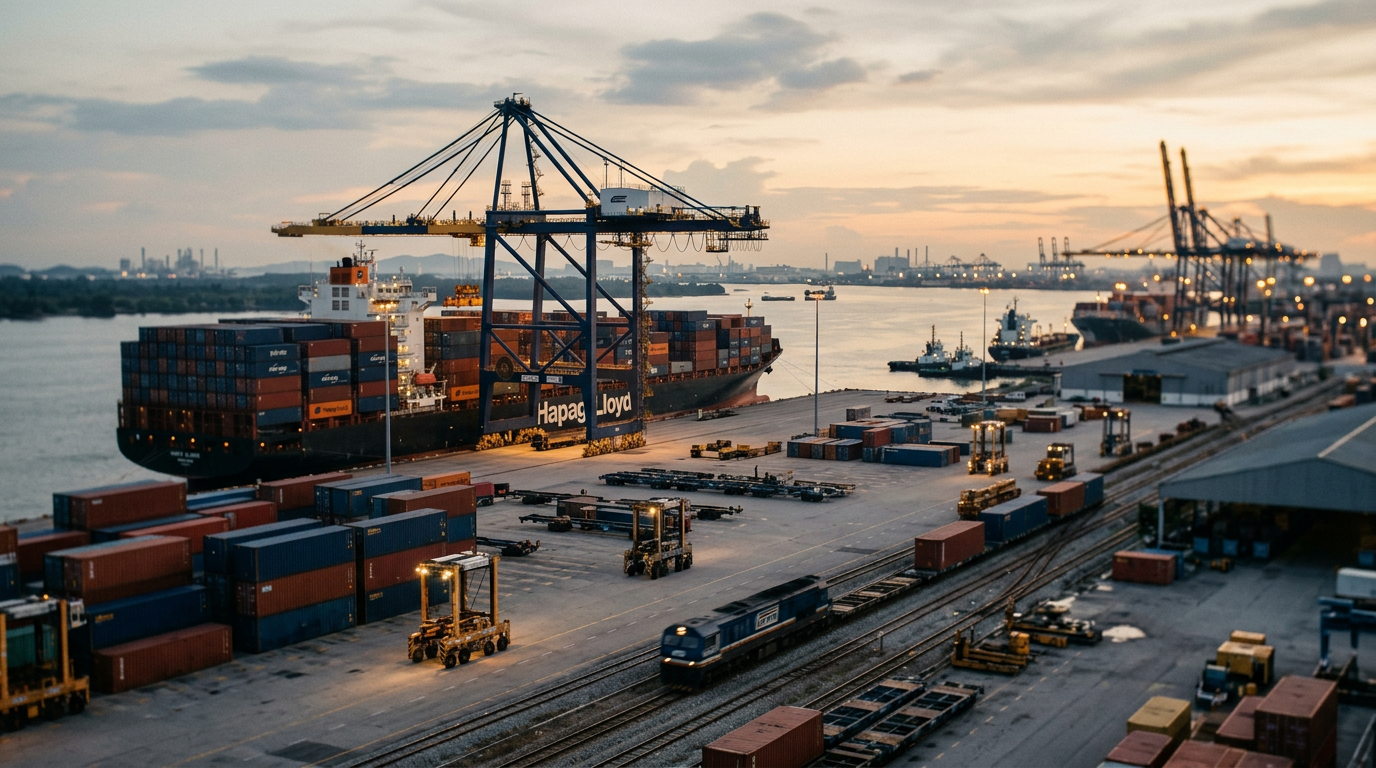
 Malaysia
's Export Slowdown and the China Question
A forecast of moderating exports in Malaysia highlights a deeper structural issue for all of ASEAN: how to manage deep economic dependency on China while preserving strategic options.
 Indonesia
's Commodity Strategy: A Test of ASEAN's Balancing Act
Indonesia, a top exporter of palm oil, coal, and nickel, is tightening export controls by centralizing trade through a state-run agency. This move reflects a broader ASEAN trend of managing economic dependency while seeking strategic autonomy, a core theme analyzed in "ASEAN Risi