
ASEAN Analysis & Commentary
Every analysis published on ASEAN Rising is sourced, datestamped and signed. We're more interested in being right in 12 months than first in 12 minutes.
Foundation pieces
Start here. The three pieces below set out the lens ASEAN Rising uses to read every story.
ASEAN Rising's core lens. Execution Economics is the study of whether countries, companies and institutions can convert obvious potential into delivered outcomes - and which six pillars decide the answer.
The region has capital, demographics, location and policy ambition. None of that has ever been the binding constraint. The next decade is an execution test, not a potential test - and it is already being scored.
Malaysia is the test case for whether ASEAN's middle powers can turn FDI, semiconductors and data centres into compounding domestic capability. Read the live coverage and execution scorecard.
Analysis tagged #ASEAN Power Grid
 Philippines
ASEAN Energy Ministers Meet to Discuss Regional Grid and China's Role
This week's 44th ASEAN Energy Ministers Meeting in Manila will have China's role in the regional energy grid on its agenda, either formally or informally. For ASEAN governments, the question is how to manage this dependency without losing strategic options.
 Philippines
ASEAN Energy Ministers Meet with an Eye on China
The 44th ASEAN Energy Ministers Meeting in Manila will test the bloc's ability to balance deep energy trade with China against the need for strategic autonomy and a secure, diversified energy grid.
 Philippines
ASEAN Energy Ministers Meet in Manila to Address Grid and Governance
The 44th ASEAN Energy Ministers meeting in Manila confronts the dual challenge of harmonizing the region's power grid while managing its deep trade and investment dependency on China in the renewables sector.
 Myanmar
Reliability and Regional Power Grids
Recent advances in power hardware for data centers offer lessons for ASEAN. Industrial policy focused on execution and delivery can build trust and attract capital.
 Indonesia
 and the ASEAN Power Grid: The Price of Integration
Indonesia's delay in joining the ASEAN Power Grid highlights a core challenge for regional integration: the tension between national interests and the collective benefits of shared infrastructure. While price negotiations are the immediate cause, the situation points to deeper.

 Thailand
China, ASEAN, and the Grid: More Than a Meeting
A recent meeting between ASEAN and Chinese energy officials points to the urgent need for institutional capacity to execute complex, long-term infrastructure projects. Without it, energy security will remain a headline, not a reality.

ASEAN's Power Grid: A Test of Institutional Will
The long-discussed ASEAN Power Grid is a prime example of the execution challenges facing the bloc. Its success or failure hinges less on technology and more on the institutional capacity to deliver complex cross-border infrastructure.
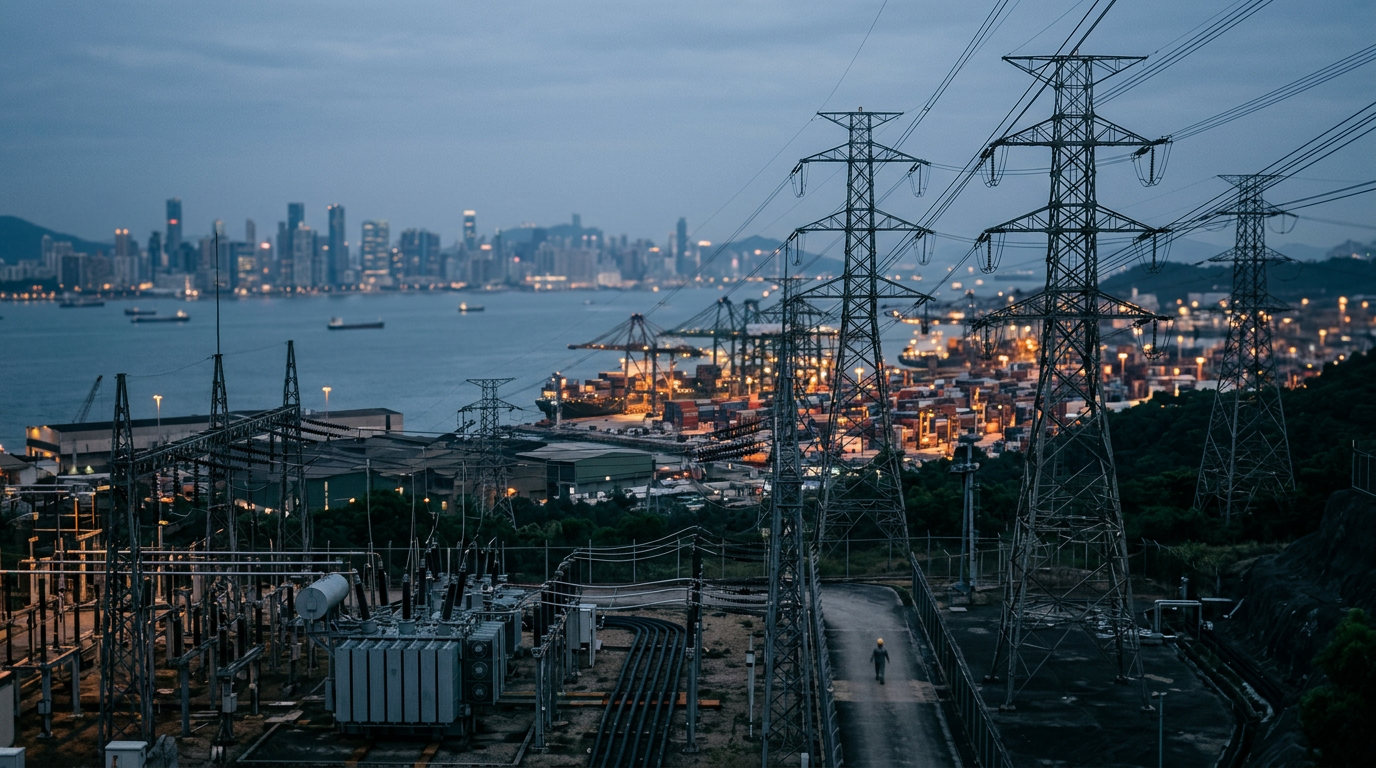
Executing the ASEAN Power Grid
A new four-nation electricity alliance may provide the institutional focus needed to accelerate the long-discussed ASEAN Power Grid, a project where execution has lagged behind ambition.