Executing the ASEAN Power Grid
A new four-nation electricity alliance may provide the institutional focus needed to accelerate the long-discussed ASEAN Power Grid, a project where execution has lagged behind ambition.
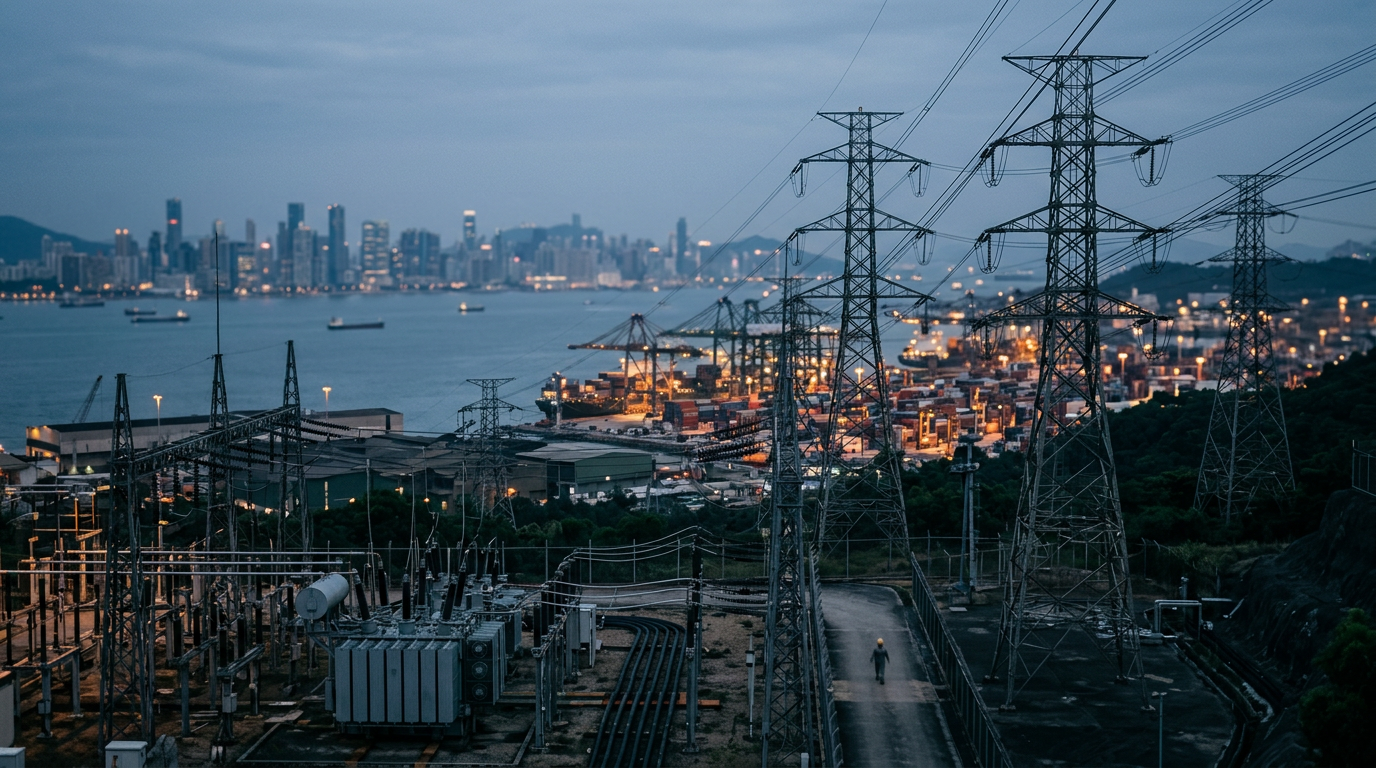
A recent report in The Diplomat highlights a new four-nation alliance aimed at accelerating the ASEAN Power Grid. This initiative comes as Southeast Asia faces growing energy demands and the need to decarbonize its economies. While the ambition for a regional power grid is decades old, its progress has been slow, illustrating a gap between plans and their realization. The formation of this smaller group could represent a new approach to overcoming the project's persistent hurdles.
The Execution Gap
The ASEAN Power Grid is one of the bloc's most significant integration projects. The vision is a unified electricity market that enhances energy security, promotes renewable energy sources, and lowers costs for consumers and businesses. However, the project has struggled to move from high-level agreements to tangible cross-border energy flows. The reasons are complex, involving technical standardization, regulatory harmonization, and financing. At its core, however, is a question of state capacity and institutional effectiveness. As the book ASEAN Rising notes, the ability to execute complex projects is a form of competitive advantage. The simple announcement of a project holds less weight than its timely completion. The history of the ASEAN Power Grid is a case study in this distinction, with numerous announcements over the years but limited infrastructure to show for them.
Institutions as Infrastructure
For the power grid to succeed, the "soft" infrastructure of institutions is as important as the "hard" infrastructure of transmission lines and substations. The project requires clear rules for cross-border power sales, dispute resolution mechanisms, and technical standards that all participants trust. This is where the new four-nation alliance could make a difference. By creating a smaller, more focused group, the members may be able to develop and implement these institutional frameworks more quickly than is possible within the full ten-member ASEAN context. It offers a path to reduce the cost of friction that can arise from coordinating many actors with diverse interests. This sub-regional approach could serve as a functional pilot, creating a replicable model of governance and regulation that could later be expanded across the region.
Building Trust with Capital
A functional power grid requires immense capital investment. Attracting this capital- from public and private sources- depends on investor confidence. This confidence is not built on vision statements but on demonstrated progress and reliability. The new alliance could build this confidence by focusing on a few specific, achievable cross-border projects. Delivering these projects on schedule would send a powerful signal to the market. It would prove that the institutional arrangements are sound and that the political will exists to overcome obstacles. As "ASEAN Rising" puts it, "Infrastructure that arrives on time signals more than infrastructure that is merely announced." Each successfully completed interconnector builds trust, not just between the participating states, but also with the global capital markets that are essential for funding the grid's expansion. This moves the project from the realm of aspiration to the world of bankable assets.
What to watch
The formation of the four-nation alliance is a positive development, but its true test lies ahead. Observers should watch for the announcement of specific, time-bound projects rather than more statements of intent. The key indicators of progress will be the establishment of a formal governance structure for the alliance, the harmonization of technical and regulatory standards between its members, and the successful financial close of a pilot cross-border energy project. These actions will show whether this new grouping can deliver the execution needed to finally energize the ASEAN Power Grid.