Thailand
China, ASEAN, and the Grid: More Than a Meeting
A recent meeting between ASEAN and Chinese energy officials points to the urgent need for institutional capacity to execute complex, long-term infrastructure projects. Without it, energy security will remain a headline, not a reality.
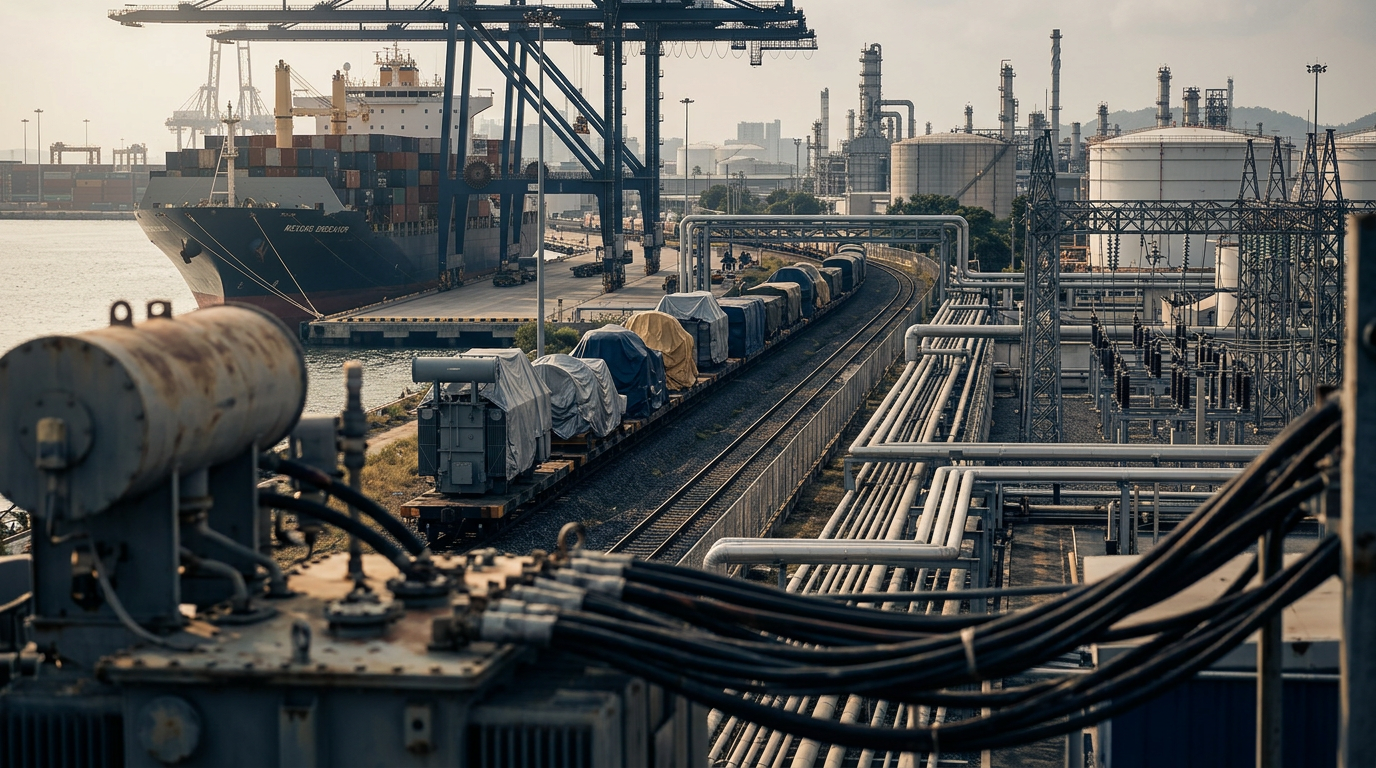
A recent meeting in Beijing between ASEAN Secretary-General Kao Kim Hourn and Zhang Jianhua, the administrator of China's National Energy Administration, focused on enhancing energy cooperation. According to the ASEAN Secretariat, the discussion centered on "advancing practical ASEAN-China cooperation" to bolster regional energy security. This interaction, reported on asean.org, comes at a time when Southeast Asia faces a well-documented gap between its energy needs and its existing infrastructure.
The dialogue with China aligns with the goals of the ASEAN Plan of Action for Energy Cooperation (APAEC) Phase II, which aims to create a more integrated and resilient regional energy system. China has positioned itself as a key partner in this endeavor, with established mechanisms like the ASEAN-China Energy Cooperation Forum. However, the path from high-level talks to tangible projects is fraught with institutional hurdles.
The Execution Gap
High-level meetings are a staple of diplomacy, but their value is ultimately measured by on-the-ground results. The conversation between the Secretary-General and his Chinese counterpart touched upon building institutional capacity and sharing technical knowledge. This is the core of the problem. ASEAN's energy ambitions, particularly the establishment of a fully integrated regional power grid, require immense coordination, regulatory harmonization, and, most importantly, the state capacity to execute complex, multi-decade projects.
As the book ASEAN Rising notes, the ability to deliver is a form of competitive advantage in itself. The challenge is not a lack of vision. For years, plans for an ASEAN Power Grid have symbolized the bloc's aspirations for a connected economic community. Feasibility studies abound, and the technical solutions for linking national grids are well understood. The difficulty lies in the "last mile" of public administration: securing financing, managing cross-border legal frameworks, and ensuring that projects are completed as specified. "Infrastructure that arrives on time signals more than infrastructure that is merely announced," a lesson that is central to building market confidence and attracting long-term capital.
Capital and Capacity
The ASEAN Centre for Energy estimates that the region needs substantial investment in the coming years to meet its energy and climate goals, with a significant portion required for grid expansion and renewable energy integration. China is a primary source of this capital, both through state-backed institutions and private enterprise. Chinese firms have extensive experience in building ultra-high-voltage transmission lines and renewable energy facilities, often at a scale that surpasses what many ASEAN member states can achieve alone.
However, capital flows to where it is treated best. Attracting and effectively deploying these funds depends on the institutional quality of the host countries. Investors require certainty. This means clear regulations, predictable permitting processes, and reliable dispute resolution mechanisms. Without these, projects stall, costs escalate, and the promised benefits of energy security and economic growth fail to materialize. The work of bodies like the Heads of ASEAN Power Utilities/Authorities (HAPUA) is therefore not merely technical; it is about creating a common institutional language that can reassure investors and streamline execution across ten different sovereign states.
What to watch: The substance of future ASEAN-China energy agreements will be telling. Look for specific commitments that go beyond general statements of cooperation. The key indicators of progress will be the establishment of joint technical working groups with clear mandates, the announcement of pilot projects with firm timelines, and the allocation of dedicated financing for cross-border grid connections. Without these practical steps, pronouncements on energy security will remain just that.