Malaysia
Turning Green Pledges into Reality
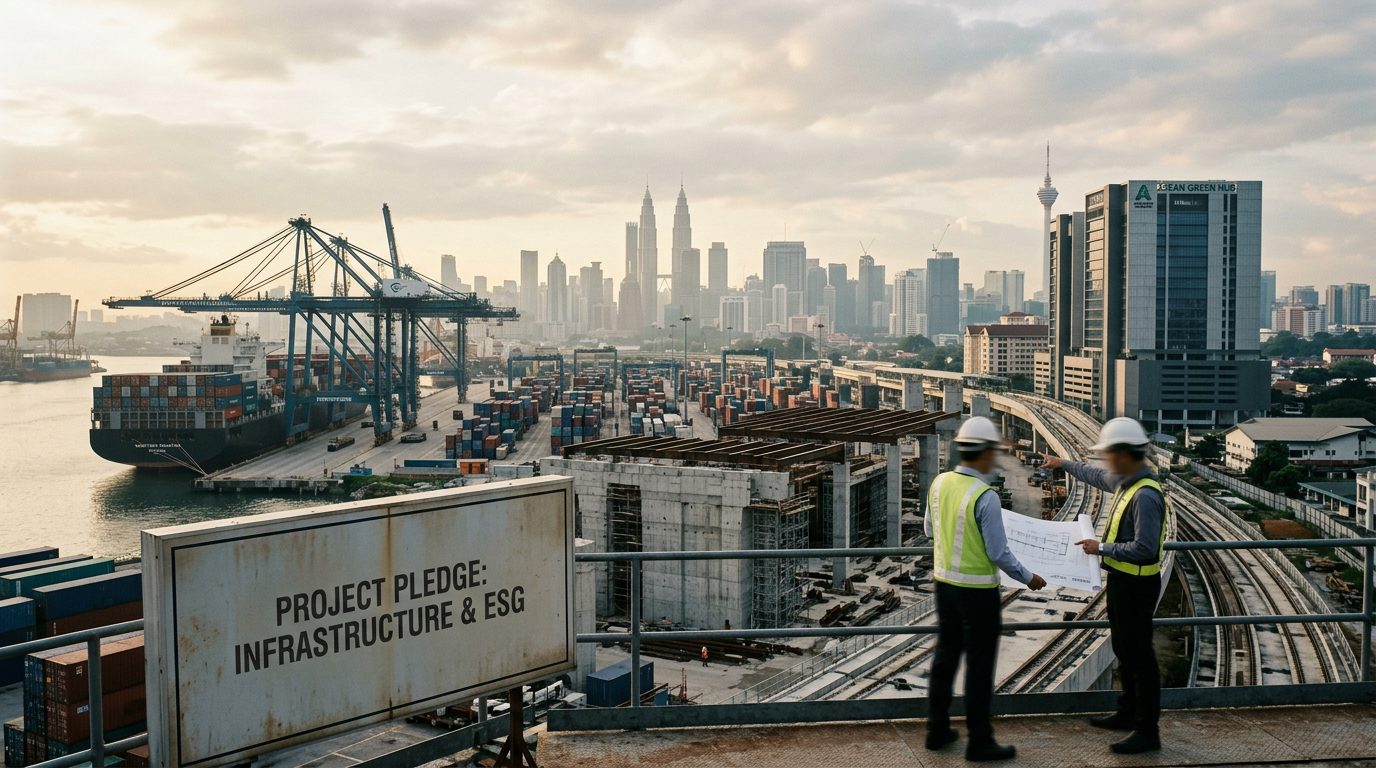
A recent ESG symposium highlighted the need for an inclusive green transition in ASEAN. For this to translate into real investment, member states must focus on the hard work of improving institutional capacity.
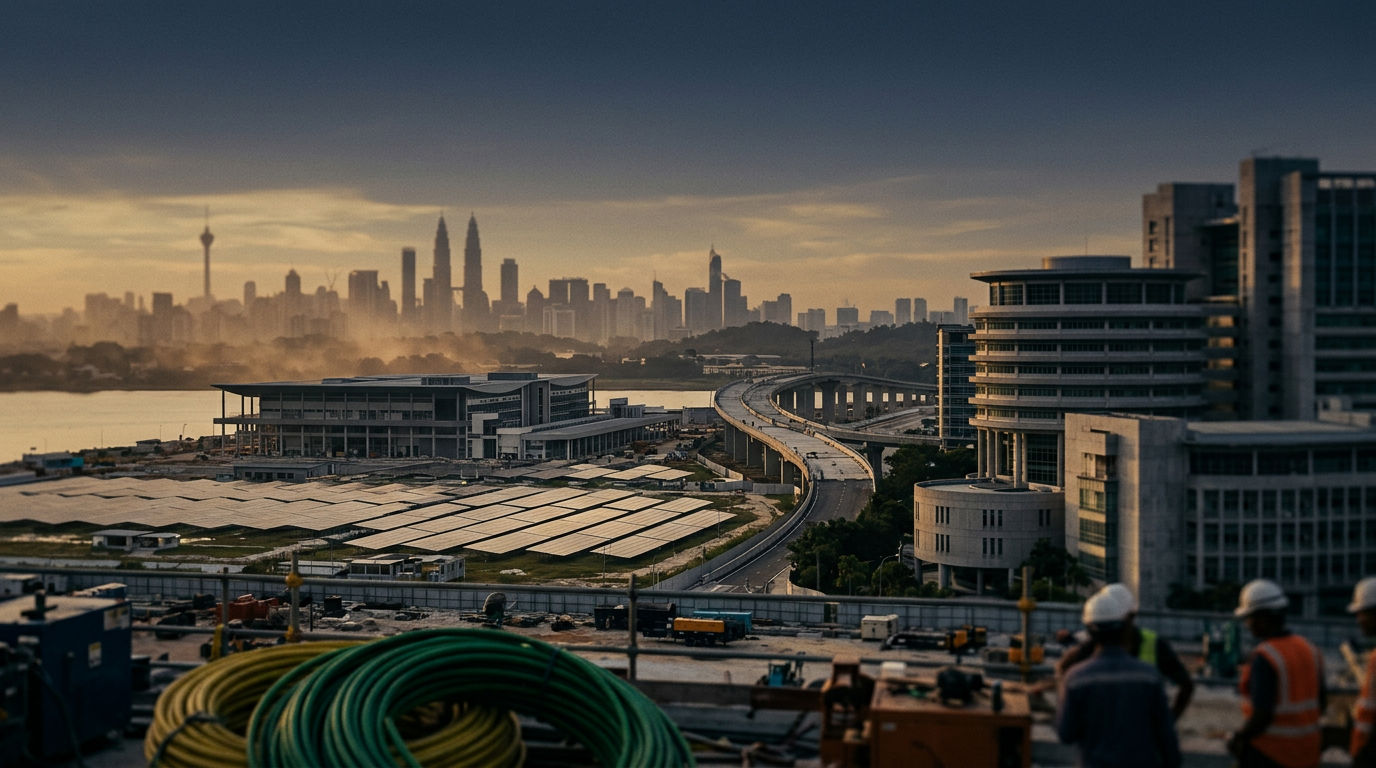
A recent ESG symposium urged ASEAN member states to focus on an inclusive green transition to drive industrial competitiveness and investment, the Bangkok Post reported. The discussion highlighted the significant capital required to achieve sustainability goals, framing it as an investment pathway. While this is a positive development, the gap between high-level pronouncements and on-the-ground reality remains a persistent issue for the region. The real work lies in building the institutional capacity to absorb and deploy these large-scale green investments effectively.
From Announcement to Investment
Attracting foreign direct investment (FDI) is a perennial goal for ASEAN governments. The rise of environmental, social, and governance (ESG) criteria has added a new dimension to this, with "green" investment becoming a major focus. However, as noted in "ASEAN Rising," headlines about investment pledges often precede the more challenging work of implementation. "Scale matters only when institutions can turn it into investable depth." This is particularly true for complex projects like renewable energy infrastructure or sustainable manufacturing, which depend on a confluence of factors beyond the initial financial commitment.
Successfully converting an FDI announcement into a functioning enterprise requires a robust institutional framework. This includes predictable regulations, transparent permitting processes, and capable administrative bodies. For green projects, the requirements are even more stringent, often involving new environmental standards, grid integration for renewable energy, and specialized labor. Without these foundational elements, capital will hesitate, and announced projects can face significant delays or cancellations.
The Indonesian Case
The challenge of turning scale into tangible assets is evident in Indonesia. The country's large population and abundant natural resources, including nickel for electric vehicle batteries, position it as a key destination for green investment. The government has made ambitious commitments to developing downstream processing and building a complete EV ecosystem. Yet, the journey from policy to production is fraught with practical hurdles.
Investors often face difficulties in areas like land acquisition, securing reliable power for industrial parks, and finding a workforce with the right technical skills. These are the slower, less glamorous aspects of economic development that are essential for long-term investment to take root. While Indonesia has made progress in streamlining its processes, the gap between the vision for a green industrial powerhouse and the day-to-day operational realities for investors demonstrates the core point: institutional execution is what translates potential into realised flows.
What to watch: The flow of realised FDI into ASEAN