Malaysia
Green Pledges and Ground Realities in ASEAN
Announced green investments are one thing; realised flows are another. ASEAN nations need robust institutions to translate ambitious ESG goals into tangible projects.
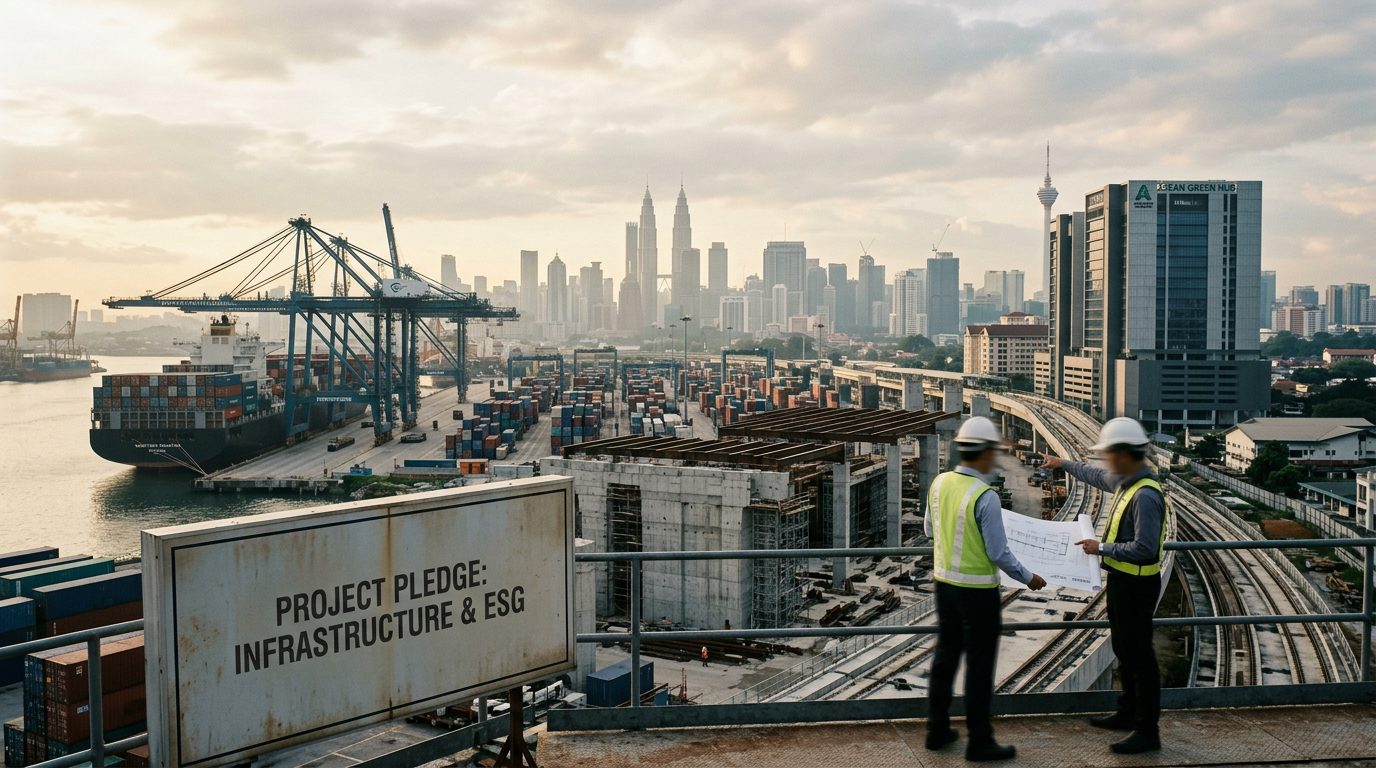
A recent ESG Symposium highlighted the need for an inclusive green transition to drive industrial competitiveness and investment in the region, as reported by the Bangkok Post. The focus on green and sustainable investment is growing, with member states keen to attract capital that aligns with environmental, social, and governance (ESG) principles. However, the path from high-level commitments to operational projects is complex, demanding more than just policy announcements. The success of this transition will depend on the ground-level capacity of ASEAN economies to absorb and deploy this capital effectively.
Institutions and Implementation
Attracting foreign direct investment (FDI) in the green sector requires a stable and predictable regulatory environment. Investors in renewable energy, sustainable agriculture, or circular economy models are making long-term commitments. They need assurance that the rules governing their operations will not change arbitrarily. This involves clear legal frameworks, transparent permitting processes, and consistent enforcement of contracts. Without these institutional anchors, ambitious national targets for green investment remain aspirational.
As the book ASEAN Rising notes, turning scale into real economic depth is a persistent challenge. While "FDI announcements travel quickly," the actual investment flows are contingent on the slower, more detailed work of preparing the ground for business. This is especially true for capital-intensive green projects, which often have specific requirements for land use, environmental impact assessments, and grid connections. Strong institutions are needed to coordinate these moving parts, ensuring that announced projects do not stall due to bureaucratic hurdles or a lack of clarity.
Capital and Infrastructure
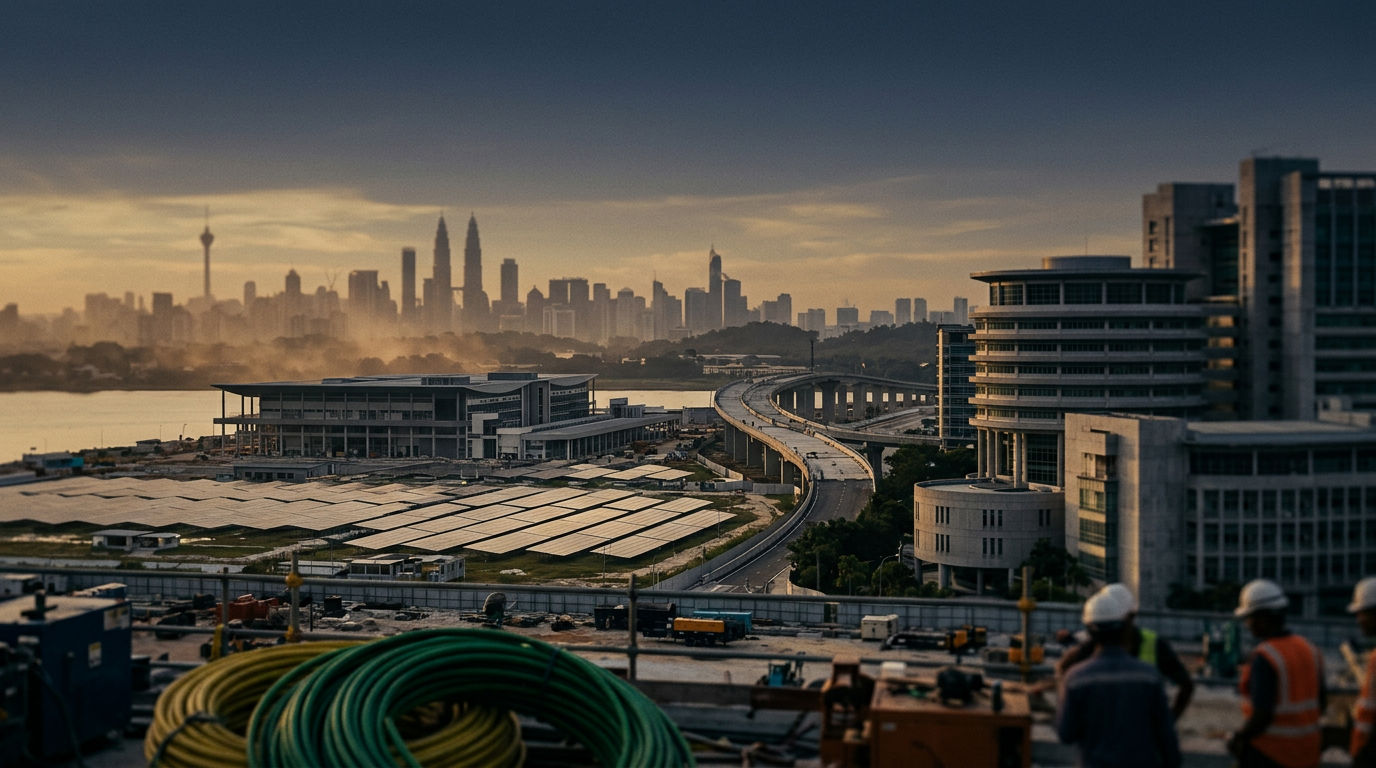
Capital for green projects is increasingly available globally, but it will flow to where the infrastructure can support it. A solar farm is not viable without transmission lines to carry its power to consumers. An electric vehicle assembly plant needs a reliable supply of electricity and a network of charging stations to make its products attractive. The green transition is as much an infrastructure story as it is a climate story.
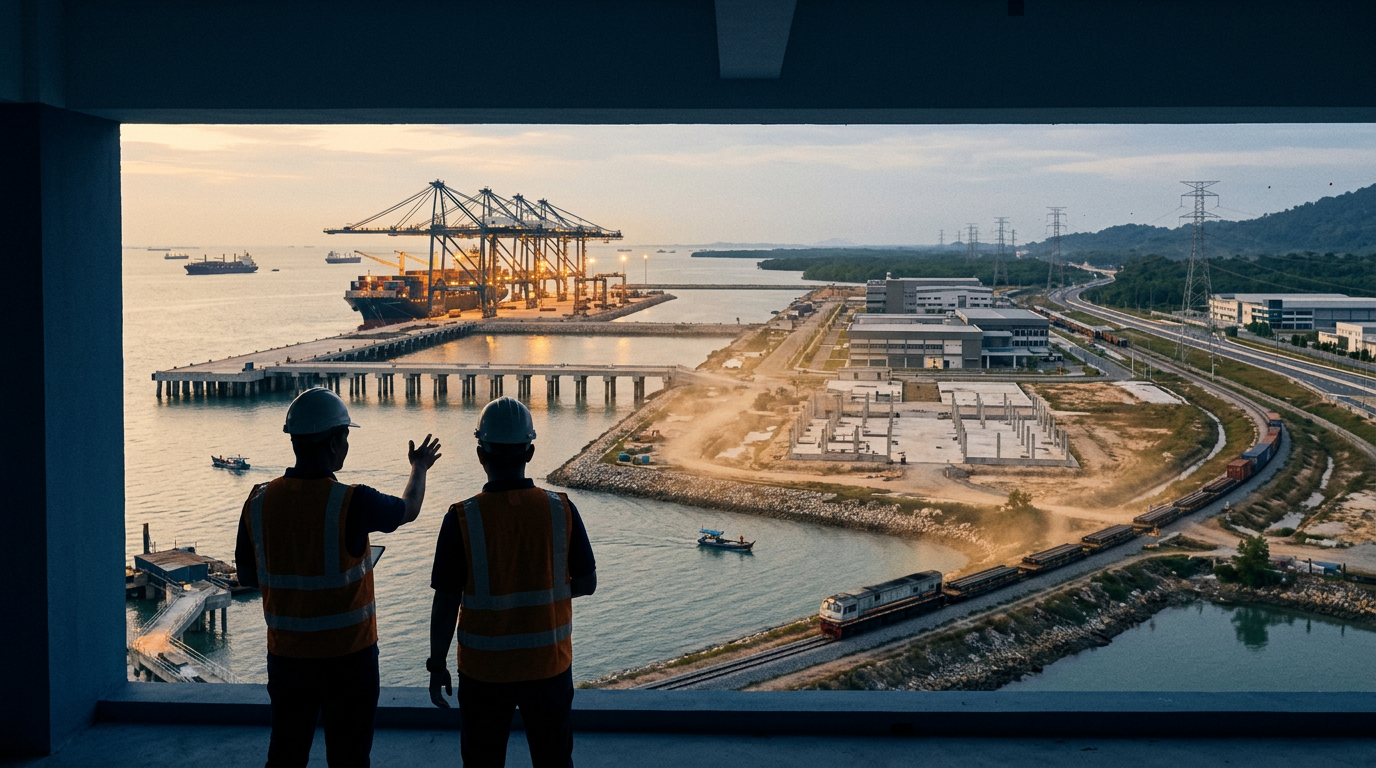
ASEAN member states must therefore align their infrastructure development plans with their green investment targets. This means prioritizing projects that enhance the grid, improve logistics for sustainable supply chains, and build the foundational infrastructure for new green industries. Public-private partnerships will be necessary to fund these large-scale undertakings. Governments can de-risk private investment by financing initial infrastructure development and creating a clear pipeline of bankable projects that meet the technical and financial criteria of international investors.
What to watch
Moving forward, the key indicator of success will not be the volume of green investment pledges but the rate of project completion and operation. Observers should monitor the progress of specific large-scale green FDI projects, from initial announcement to final commissioning. The ability of ASEAN governments to streamline regulatory processes, provide necessary infrastructure, and develop a skilled workforce will determine whether the region can convert the current interest in sustainable finance into a durable competitive advantage. The gap between announced and realised FDI in the green sector will be the true measure of institutional effectiveness.