Malaysia
Green Pledges, Concrete Projects: ASEAN's ESG Investment Test
Foreign direct investment announcements are easy. Turning them into realised flows of capital for a green transition requires institutions that can deliver land, permits, power, and talent on the ground.
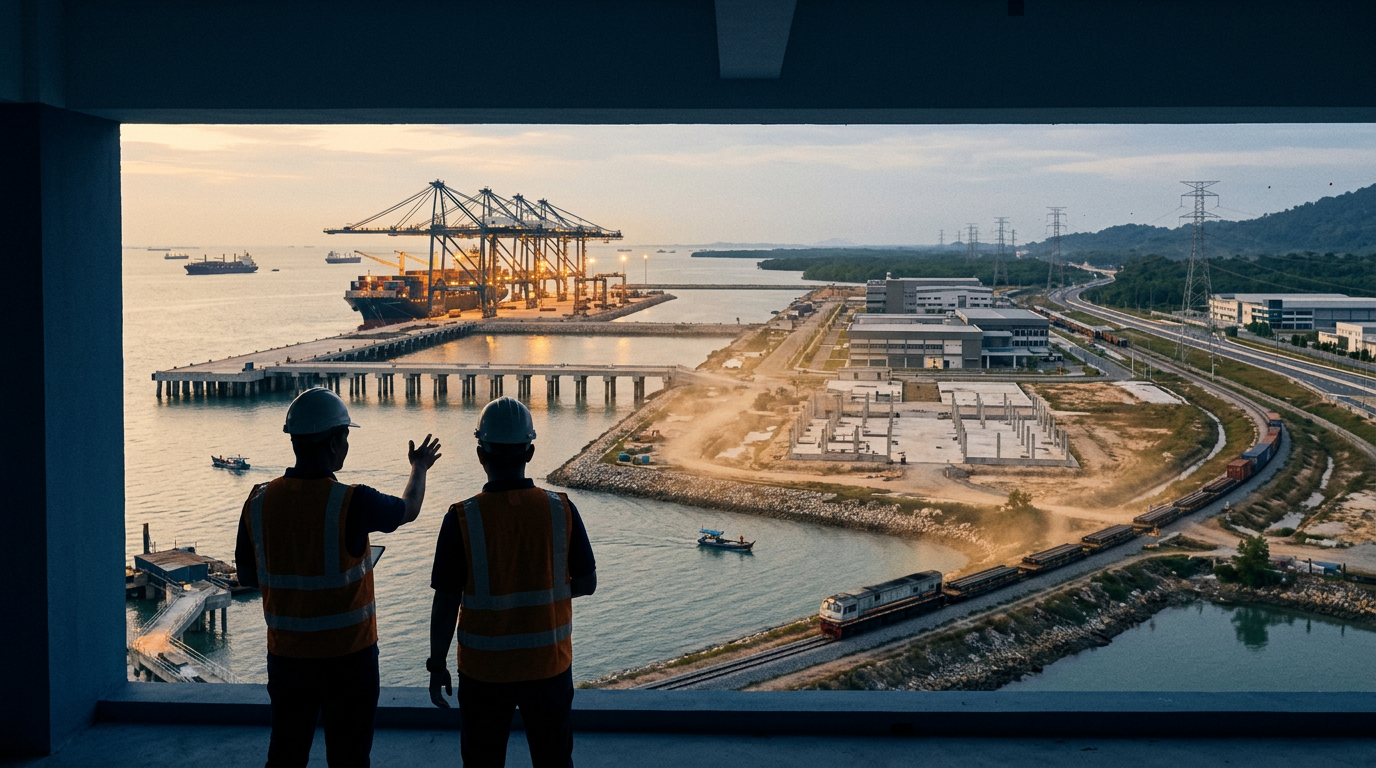
A recent ESG symposium highlighted the need for ASEAN to focus on an inclusive green transition to drive industrial competitiveness and investment, as reported by the Bangkok Post. The discussion around environmental, social, and governance (ESG) standards is no longer a niche topic; it is central to the region's economic future. As global capital becomes increasingly allocated based on sustainability metrics, ASEAN nations face a gap between high-level pronouncements and project-level execution.
Foreign direct investment (FDI) into green sectors is a clear objective for every government in the region. Announcements of new multi-billion dollar solar farms, EV battery plants, and sustainable agriculture projects generate positive headlines. However, as the book "ASEAN Rising" notes, the real work begins after the press conference. The ability to translate these ambitious goals into operating assets is the core test of institutional capacity.
From Ambition to Execution
The path from an FDI pledge to a functioning project is fraught with practical hurdles. The core argument of the book is that "realised flows depend on the slower work of land, permits, power and talent reaching the ground." This is where the green transition will either succeed or stumble. For international investors, the initial attraction of a large, growing market can quickly fade when faced with bureaucratic delays, unclear regulations, and infrastructure gaps.
Take, for instance, the development of a large-scale renewable energy project. It requires securing land rights, which can be a complex and lengthy process involving multiple local and national agencies. It necessitates permits for environmental impact assessments, construction, and grid connection. Reliable access to the power grid is a given in few places, and the availability of skilled labor-from engineers to construction workers to maintenance technicians-is a constant concern. These are the granular, operational challenges that determine whether capital is deployed effectively.
Institutions as the Bottleneck
The symposium's call for an "inclusive green transition" rightly points to the need for a broad-based approach. Inclusivity means ensuring that the benefits of green investment-such as jobs and cleaner environments-are widely distributed. But it also requires an institutional framework that is transparent, predictable, and efficient. Weak institutions become the primary bottleneck, constraining the flow of capital into sustainable projects.
Indonesia's experience, as detailed in ASEAN Rising, shows that market scale is a powerful draw for investors. Yet, converting that scale into deep, liquid, and investable markets is an institutional challenge. The same is true for the green transition across all of ASEAN. Investors focused on ESG criteria are particularly sensitive to governance issues. They need to see clear rules, consistent enforcement, and reliable partners on the ground. Without this, even the most promising green projects will struggle to attract the necessary long-term capital.
What to watch: The key metric to monitor is not the dollar value of FDI announcements, but the rate of conversion of these pledges into completed projects. Observers should track the progress of specific greenfield investments, paying attention to timelines for regulatory approvals, land acquisition, and infrastructure readiness. The gap between pledged and realized FDI will be the most telling indicator of whether ASEAN's institutions are truly ready to support a green economic transformation.