Philippines
: Infrastructure Commitments vs. Execution
ANZ Research warns that weak infrastructure spending could prolong the Philippines' economic slowdown, a risk that highlights the difference between announced plans and delivered projects.
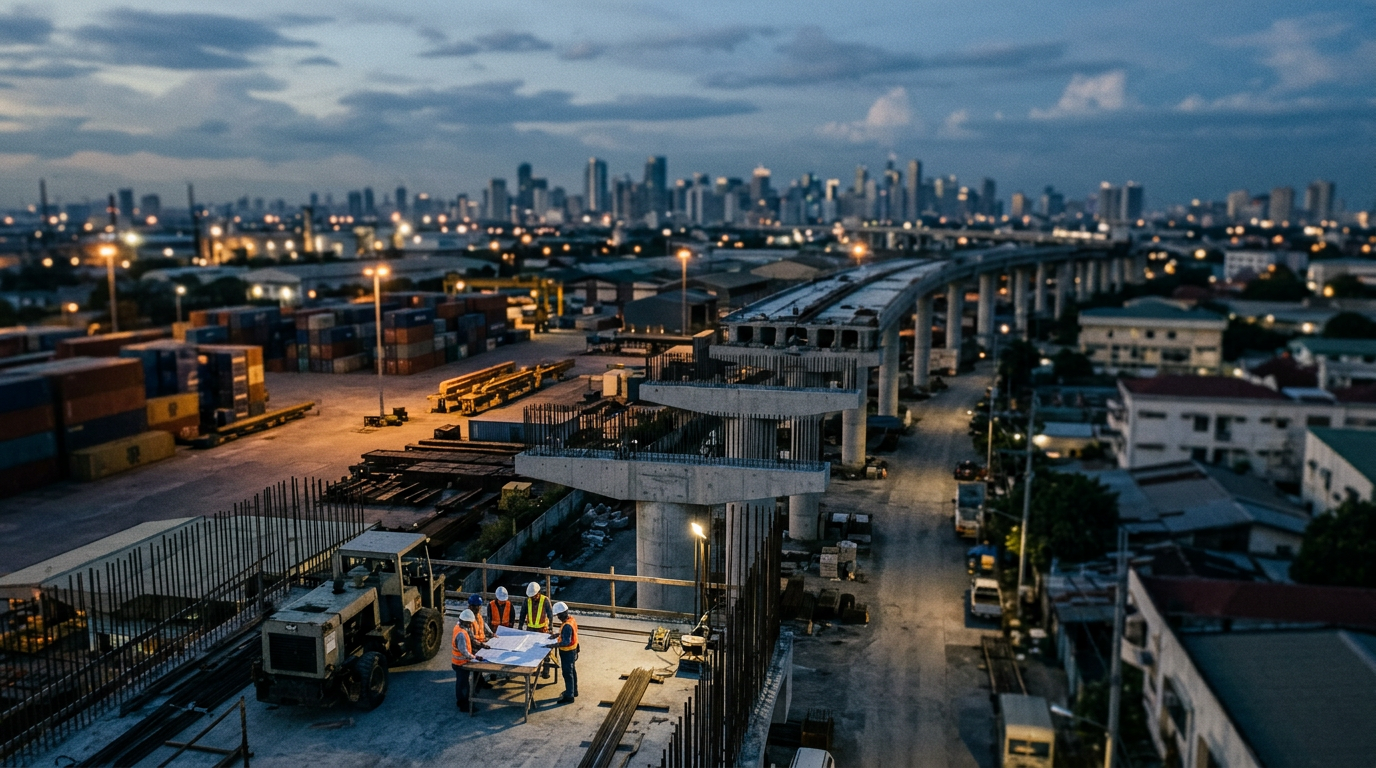
ANZ Research warns that a smaller allocation for capital outlays could extend the Philippines' economic slowdown into 2027. The analysis highlights a persistent gap between infrastructure ambition and execution, a theme that resonates across the region. While governments frequently announce ambitious, multi-billion dollar infrastructure programs, the actual implementation often lags. This creates a drag on economic growth and raises questions about state capacity to deliver on its promises.
The Cost of Under-spending
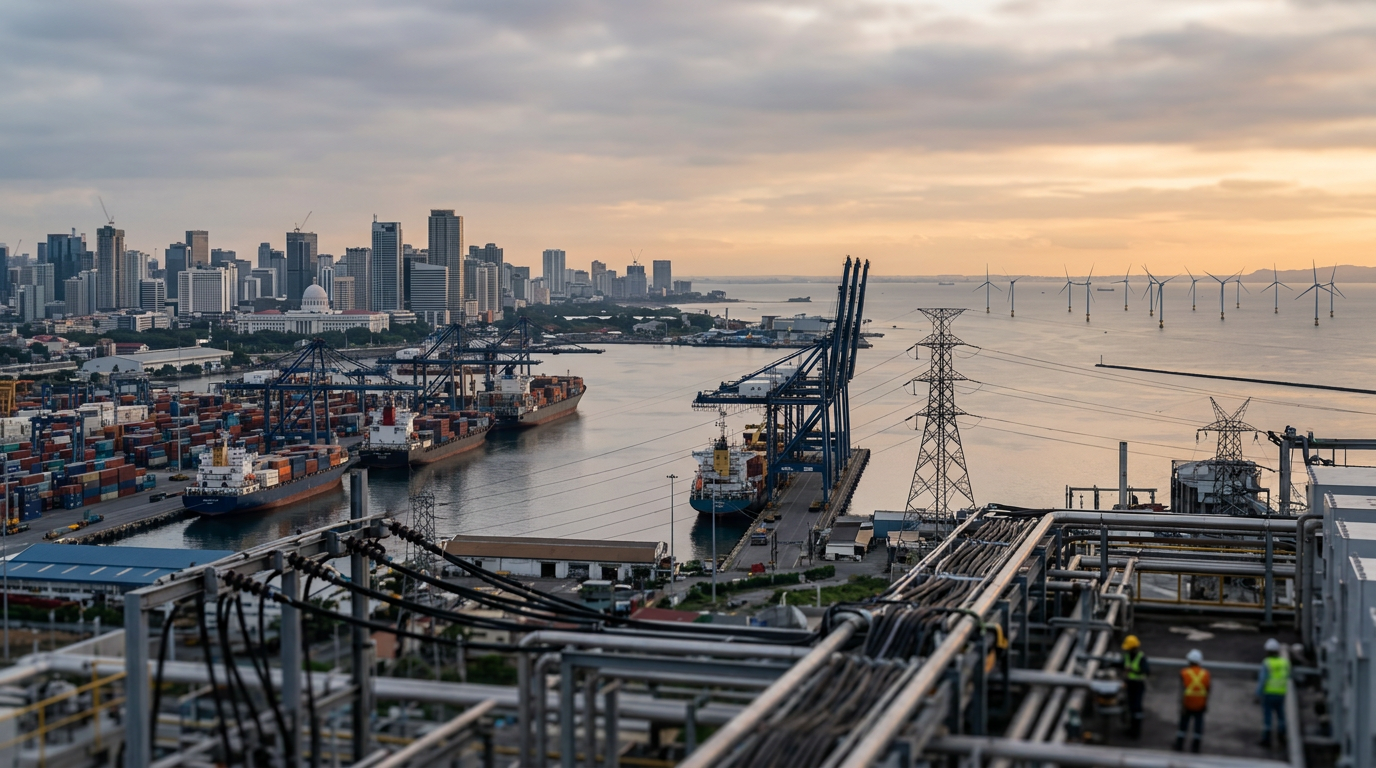
For the Philippines, the stakes are high. The country has long identified inadequate infrastructure as a primary bottleneck to competitiveness and inclusive growth. Roads, ports, and digital networks are essential for connecting the archipelago, reducing logistics costs, and attracting investment. A slowdown in public spending on these capital outlays, as flagged by the recent analysis, directly impacts the economy's potential.
Construction activity slows, job creation in related sectors is curtailed, and the projected benefits of improved connectivity are deferred. Over the long term, a pattern of under-spending erodes investor confidence. Capital is mobile, and it will flow to markets where the government demonstrates an ability to translate plans into tangible assets. As noted in ASEAN Rising, "infrastructure that arrives on time signals more than infrastructure that is merely announced." The credibility of a state's economic program is judged not by its announcements but by its completed projects.
Institutions as Infrastructure
Underlying the physical construction of infrastructure is the equally important framework of institutions. The ability to plan, fund, and execute large-scale projects efficiently is a measure of state capacity. The ANZ report points to a "smaller allocation for capital outlays," which is a budgetary decision. However, such decisions are often influenced by deeper institutional challenges.
These can include complex bidding processes, right-of-way acquisition issues, and bureaucratic friction that slow down disbursements and project timelines. Strengthening the institutions responsible for public works is therefore as important as securing the financing. Institutional reliability has itself become a form of comparative advantage. A state that can predictably and efficiently build what it says it will build offers a stable environment for private investment. This creates a positive cycle where successful project execution builds trust, attracts further capital, and enables even more ambitious development.
What to watch
Manila has a choice between a strategy of exciting announcements and one of usable, reliable state capacity. Observers should watch the Philippine government's actual disbursements for capital projects, not just the headline budget allocations. The pace of project completion under the administration's flagship infrastructure program will be a key indicator. Attention should also be paid to any reforms aimed at streamlining project approval and implementation, as these will determine whether the country can close the gap between its infrastructure goals and its economic reality.