
ASEAN Analysis & Commentary
Every analysis published on ASEAN Rising is sourced, datestamped and signed. We're more interested in being right in 12 months than first in 12 minutes.
Foundation pieces
Start here. The three pieces below set out the lens ASEAN Rising uses to read every story.
ASEAN Rising's core lens. Execution Economics is the study of whether countries, companies and institutions can convert obvious potential into delivered outcomes - and which six pillars decide the answer.
The region has capital, demographics, location and policy ambition. None of that has ever been the binding constraint. The next decade is an execution test, not a potential test - and it is already being scored.
Malaysia is the test case for whether ASEAN's middle powers can turn FDI, semiconductors and data centres into compounding domestic capability. Read the live coverage and execution scorecard.
Analysis tagged #Execution

 Malaysia
's Data Centre Boom is a Test of Execution
Malaysia has attracted significant foreign investment into its data centre sector. Now comes the slower work of execution - turning announcements into operational assets through land, power, and talent.

 Philippines
 Infra Spend Signals Need for Usable State
ANZ Research warns that weak infrastructure spending could prolong the Philippines' economic slowdown, highlighting the difference between announced and delivered projects.

 Thailand
Foreign Direct Investment in ASEAN: From Announcement to Execution
Foreign investment pledges are one thing; realised investment is another. HSBC's focus on the Thailand-Japan corridor highlights the long-term institutional work required to turn FDI announcements into tangible assets and growth.
 Malaysia
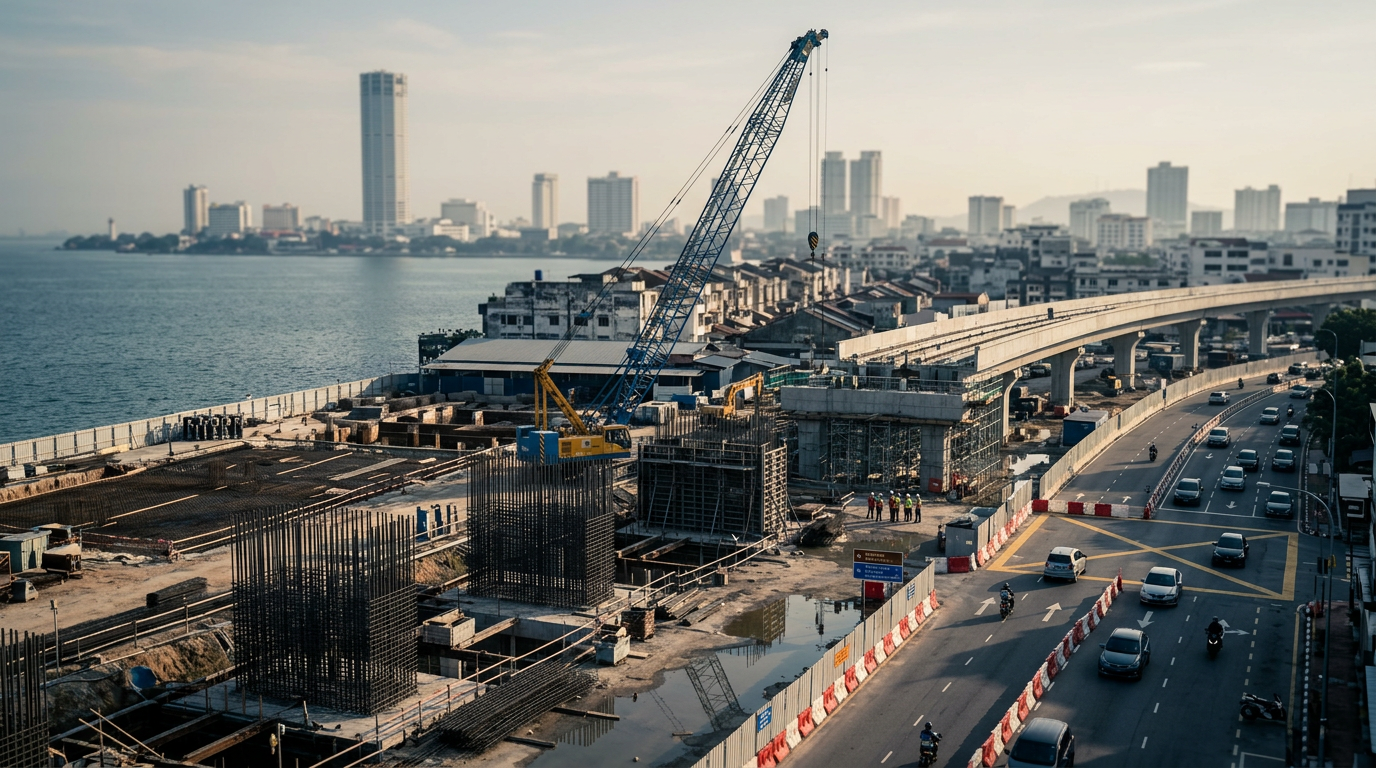
The Mutiara Line and Malaysia's Infrastructure Test
Penang's Mutiara Line LRT project will require a 322-day traffic diversion. While a necessary step, it puts the focus on Malaysia's ability to deliver complex infrastructure projects on schedule and with minimal disruption.

 Indonesia
The Philippines' Infrastructure Challenge Is About More Than Money
A series of power disruptions at Manila's primary airport highlights the gap between infrastructure announcements and execution. Institutional reliability has become part of comparative advantage, and a usable state is often more valuable than an exciting one.
 Malaysia
Execution, Not Announcements, Is the Foundation for ASEAN Infrastructure
As ASEAN and China deepen talks on construction and housing, the core task remains turning ambitious blueprints into tangible assets. The true measure of progress is not the promise of new infrastructure, but the institutional capacity to deliver it.
 Philippines
Beyond the Summit: Manila's Institutional Test
The ASEAN Tech Summit in 2026 is more than a conference; it is a measure of the Philippines' state capacity and a signal to the region about the value of execution over announcements.
 Indonesia
From Regional Forums to Reality: Measuring ASEAN by Execution
High-level statements are a staple of regional diplomacy, but the true measure of progress lies in institutional reliability and the tangible delivery of infrastructure and services.
 Malaysia
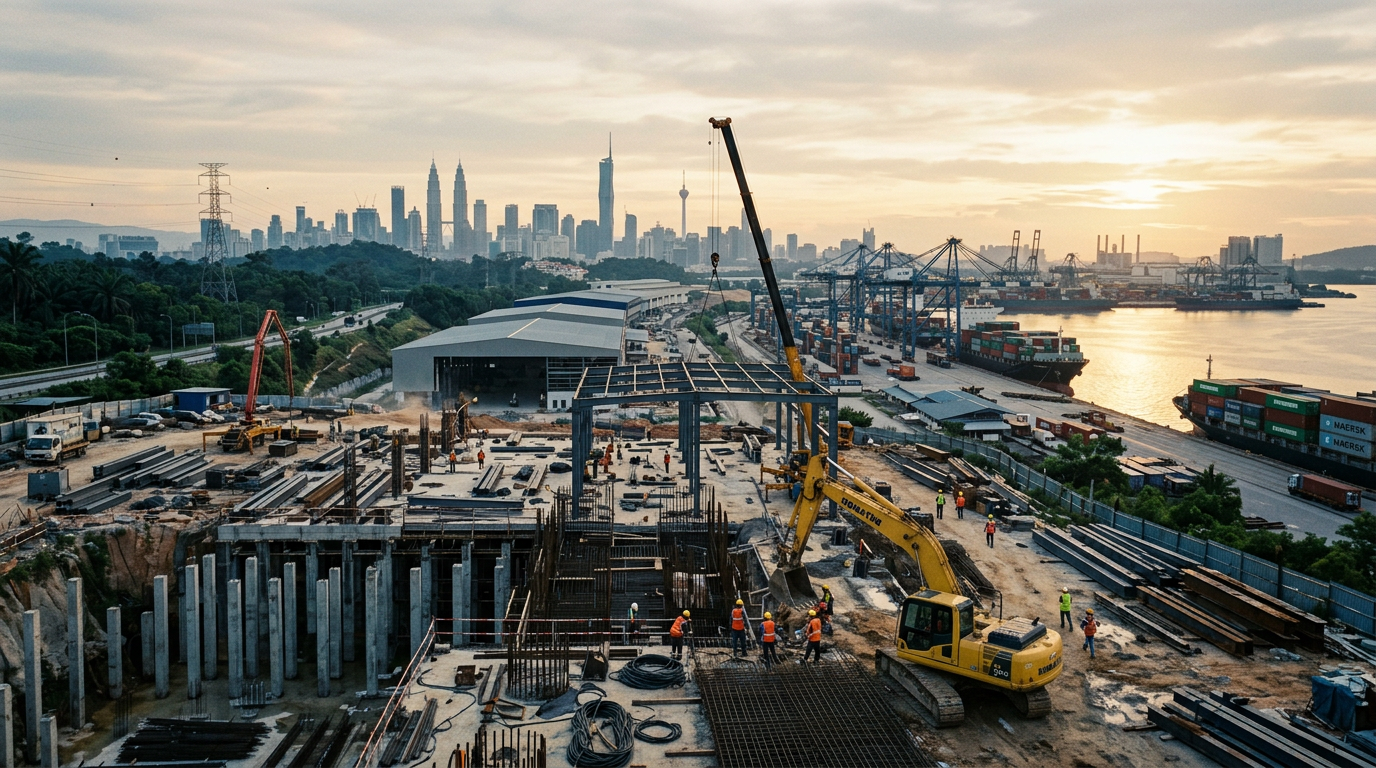
 Investment: From Approval to Execution
Malaysia's headline-grabbing investment approval figures for Q1 2026 are a strong signal of investor confidence. Yet, the true test lies in converting these announcements into tangible projects through effective institutional execution.