Vietnam
Vanguard Bets on Vietnam: Institutions Are the Real Test
Vanguard's plan to invest US$2.5 billion into Vietnam's stock market is a significant vote of confidence. Yet, as "ASEAN Rising" notes, "FDI announcements travel quickly. Realised flows depend on the slower work of land, permits, power and talent reaching the ground."
Vanguard, the world's second-largest asset manager, is set to channel US$2.5 billion into Vietnam's stock market, a figure that surpasses earlier analyst forecasts. This planned investment, reported by VNExpress, signals strong investor confidence in the country's economic trajectory. While the news is positive, the true measure of its impact will be determined by Vietnam's capacity to absorb and effectively deploy this capital. The journey from a promising market to a mature investment destination depends on the strength of its underlying institutions.
Capital and Institutions
Large-scale capital inflows, such as the one planned by Vanguard, are a clear indicator of market potential. They reflect a positive assessment of Vietnam's macroeconomic stability, growth prospects, and burgeoning consumer class. However, the efficient allocation of this capital is not automatic. It requires a robust financial market infrastructure, clear regulatory frameworks, and transparent corporate governance standards. Without these institutional supports, large inflows can lead to asset bubbles or misallocation of resources rather than productive, long-term growth. The State Securities Commission of Vietnam has been working to improve market infrastructure, but the process of upgrading from a frontier to an emerging market classification has been a multi-year effort, highlighting the detailed work required.
From Announcement to Execution
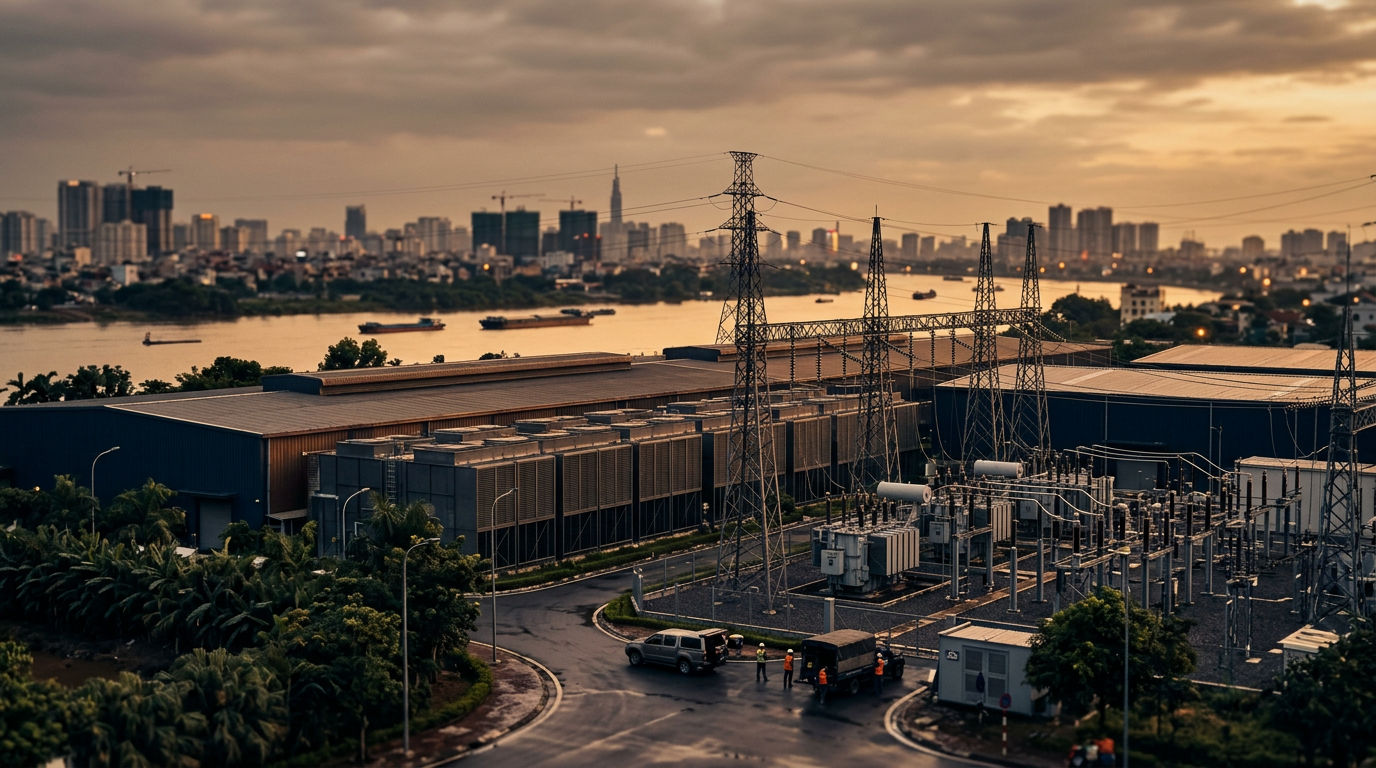
The gap between announced foreign investment and its real-world economic impact is a familiar story across ASEAN. As the book ASEAN Rising observes, scale is only advantageous when institutions can convert it into tangible, investable opportunities. The headline-grabbing announcement of a multi-billion dollar investment is the start of a process, not the end. The book notes that "FDI announcements travel quickly. Realised flows depend on the slower work of land, permits, power and talent reaching the ground." For Vanguard's investment to translate into broad-based economic benefits, the Vietnamese companies receiving the capital must be able to execute on their growth plans. This involves securing land for expansion, navigating permitting processes efficiently, ensuring reliable power supplies, and accessing a skilled workforce.
Talent and Infrastructure
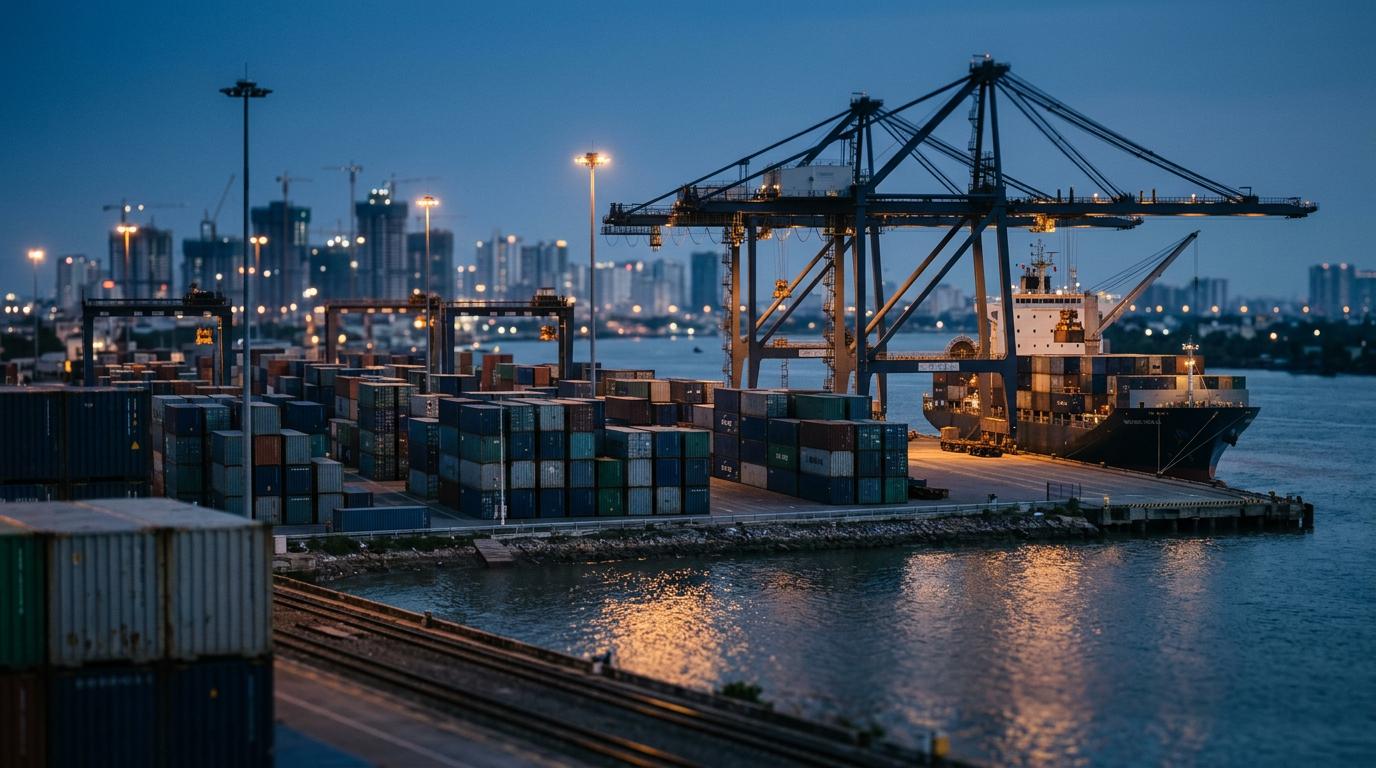
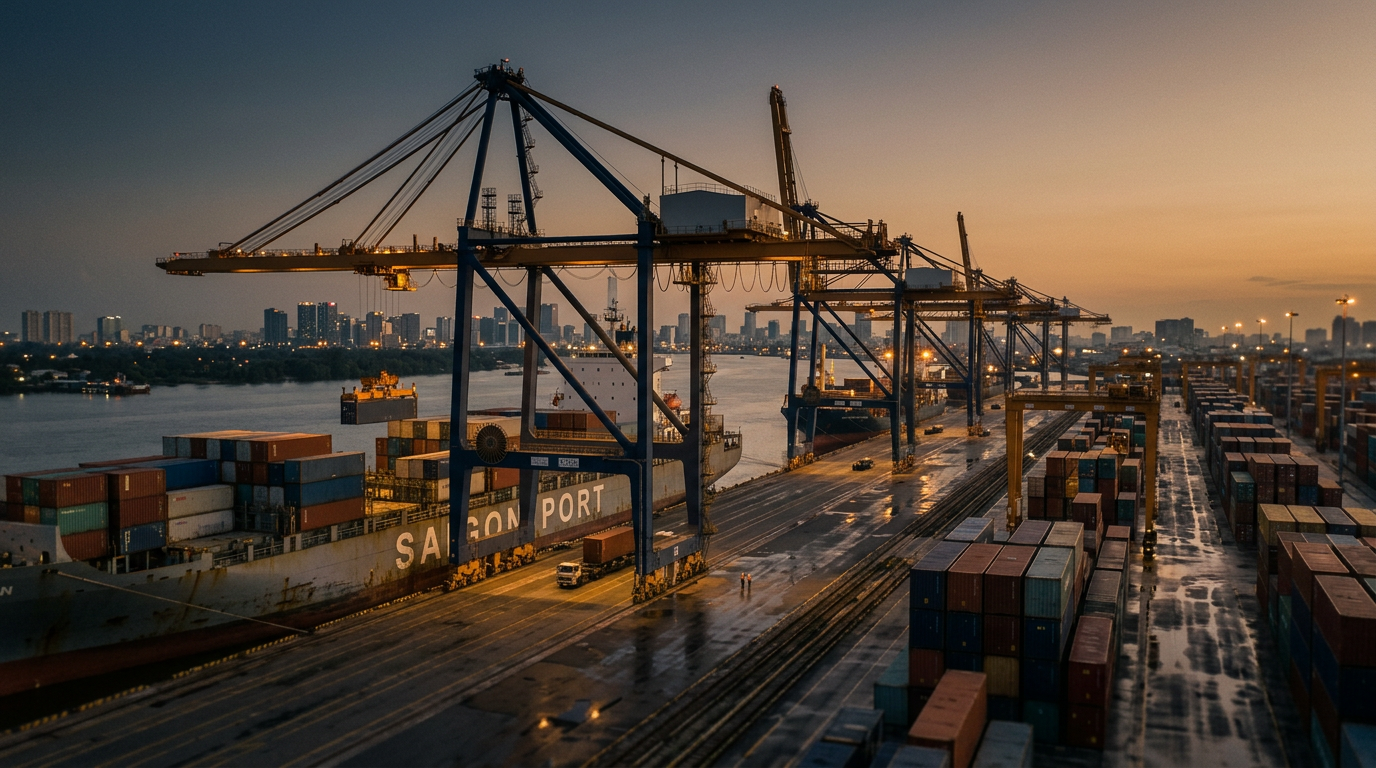
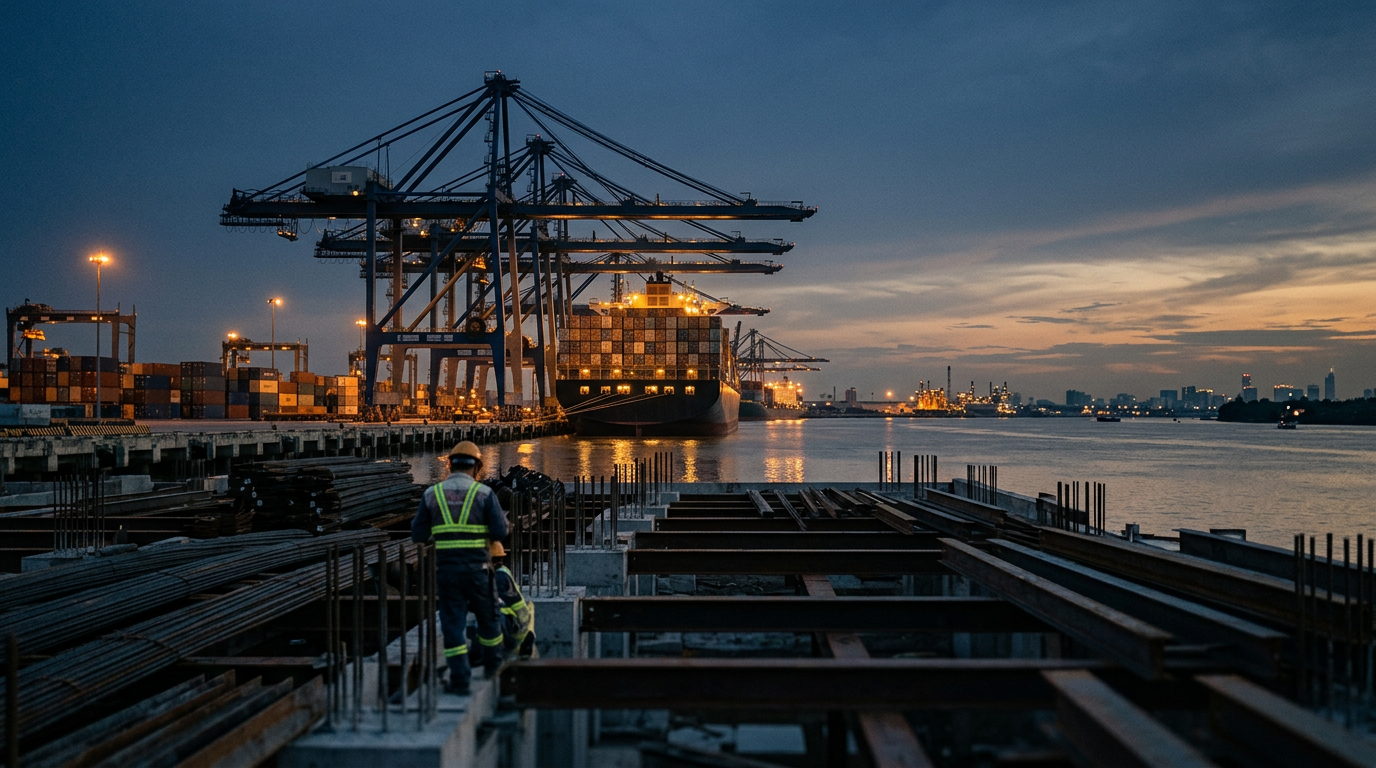
The ultimate constraint on growth is often talent. As capital flows into Vietnamese companies, the demand for skilled managers, engineers, and technicians will intensify. Vietnam has a young and dynamic workforce, but specialized skills in areas like finance, technology, and advanced manufacturing require sustained investment in education and vocational training. Similarly, physical infrastructure remains a critical enabler. While Vietnam has made significant strides in developing its ports, highways, and energy grid, the demands of a rapidly growing economy necessitate continuous upgrades. The ability of Vietnam's institutions to develop both human capital and physical infrastructure will determine how effectively the country can leverage new waves of foreign investment.
What to watch: The key indicator of success will not be the initial market reaction to Vanguard's investment, but rather the medium-term corporate performance of the companies in which it invests. Observers should monitor whether this infusion of capital translates into concrete projects, job creation, and export growth. The pace of regulatory reforms, particularly those aimed at improving market transparency and corporate governance, will also be a critical factor in determining Vietnam's ability to attract and retain long-term institutional capital.