Vietnam
Vietnam's FDI Ambitions Test Its Institutional Capacity
Vietnam has secured a steady stream of foreign direct investment announcements. The real test is turning those announcements into realised flows on the ground through institutional reform.

Dutch businesses are signaling strong optimism about Vietnam's economic direction, expressing eagerness to deepen investment in finance, logistics, technology, and sustainable development, as reported by Vietnam Investment Review. This confidence from a sophisticated, long-term investor base is a positive indicator for Vietnam's ambition to establish an international financial centre (IFC) in Ho Chi Minh City. However, the path from announced foreign direct investment (FDI) to tangible economic impact is paved with institutional challenges.
Execution Beyond the Headlines
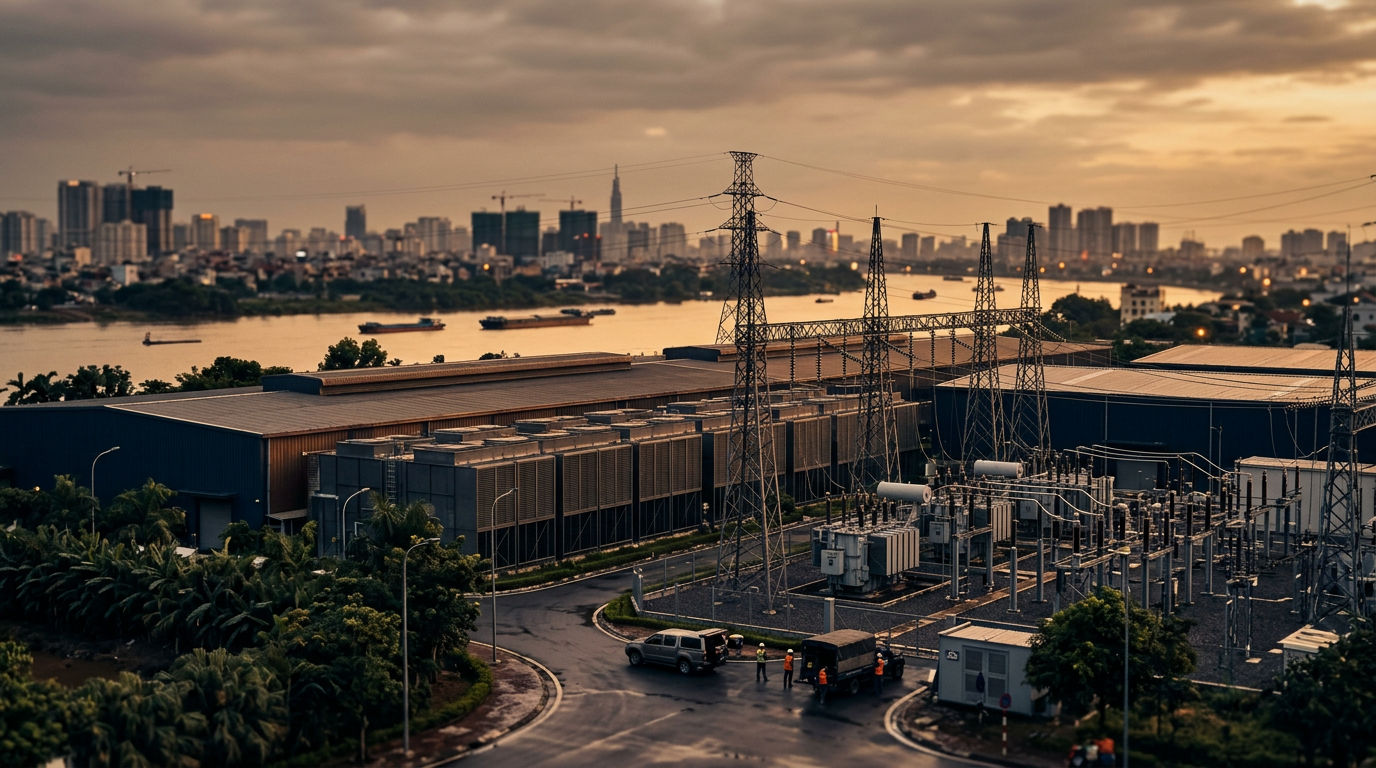
FDI commitments are a vote of confidence, but they are not the same as realised investment. As the book "ASEAN Rising" notes, converting headline figures into operational assets requires functional institutions. The slower, less glamorous work of securing land, navigating permit processes, ensuring reliable power, and developing a skilled workforce is where investment success is determined. While the Dutch interest is promising, these foundational elements must be in place to absorb and maximize the impact of incoming capital.
The IFC Challenge
The goal to create an IFC adds another layer of complexity. An IFC cannot be willed into existence by government decree; it must be built on a foundation of trust, transparency, and robust legal frameworks. For Vietnam, this means accelerating reforms that go beyond basic business facilitation. It requires developing deep, liquid capital markets, ensuring the impartial enforcement of contracts, and aligning financial regulations with global standards. These are not merely technical adjustments but fundamental shifts that test the capacity and will of the state to create a predictable, rules-based environment for international capital.
Capital and Talent
Attracting global financial institutions and the talent they employ depends on more than just tax incentives. Vietnam is competing with established hubs like Singapore and Hong Kong. To build a compelling alternative, it must demonstrate a long-term commitment to regulatory stability and the rule of law. Furthermore, nurturing a domestic talent pool in specialised fields like financial law, risk management, and investment analysis is essential. The enthusiasm of Dutch firms is a good start, but it highlights the need for a concerted effort to build the human and institutional capital required to meet Vietnam's own high expectations.
What to watch
Observers should monitor the progress of specific legal and regulatory reforms aimed at financial market liberalisation. The key indicators of success will not be the number of initial agreements signed but the growth in trading volumes on local exchanges, the resolution of complex commercial disputes through Vietnamese courts, and the degree to which skilled Vietnamese professionals are integrated into the senior ranks of new financial operations. The conversion of investor optimism into realised projects will be the ultimate measure of institutional strength.