
ASEAN Analysis & Commentary
Every analysis published on ASEAN Rising is sourced, datestamped and signed. We're more interested in being right in 12 months than first in 12 minutes.
Foundation pieces
Start here. The three pieces below set out the lens ASEAN Rising uses to read every story.
ASEAN Rising's core lens. Execution Economics is the study of whether countries, companies and institutions can convert obvious potential into delivered outcomes - and which six pillars decide the answer.
The region has capital, demographics, location and policy ambition. None of that has ever been the binding constraint. The next decade is an execution test, not a potential test - and it is already being scored.
Malaysia is the test case for whether ASEAN's middle powers can turn FDI, semiconductors and data centres into compounding domestic capability. Read the live coverage and execution scorecard.
Analysis tagged #Brunei

 Brunei
's Economic Blueprint and the Lessons of Execution
Brunei's economic diversification plans depend on institutional reliability. Infrastructure that arrives on time signals more than infrastructure that is merely announced.
 Brunei
's Economic Diversification and the Semiconductor Test
Brunei's economic diversification plans intersect with the global semiconductor industry, a sector where institutional reliability is a significant competitive advantage.
 Brunei
 and the semiconductor test
Institutional reliability has become part of comparative advantage. A usable state is often more valuable than an exciting one.
 Brunei
's Economic Diversification and the Semiconductor Test
High-stakes industrial policy is a test of state capacity. Brunei needs to show it can execute.
 Brunei
's Place in the Global Semiconductor Race
Can a small country leverage its institutional stability to carve out a niche in the high-stakes world of semiconductor manufacturing? Brunei may be a test case.
 Brunei
 and the semiconductor test
Institutional reliability has become part of comparative advantage. A usable state is often more valuable than an exciting one.
 Brunei
's AI MOU: A Test of Institutional Reliability
A new agreement between NEC and the UNDP to apply AI to climate action in Brunei is a small-scale, real-world test of the country's capacity to execute on its ambitious digital and green transition plans.
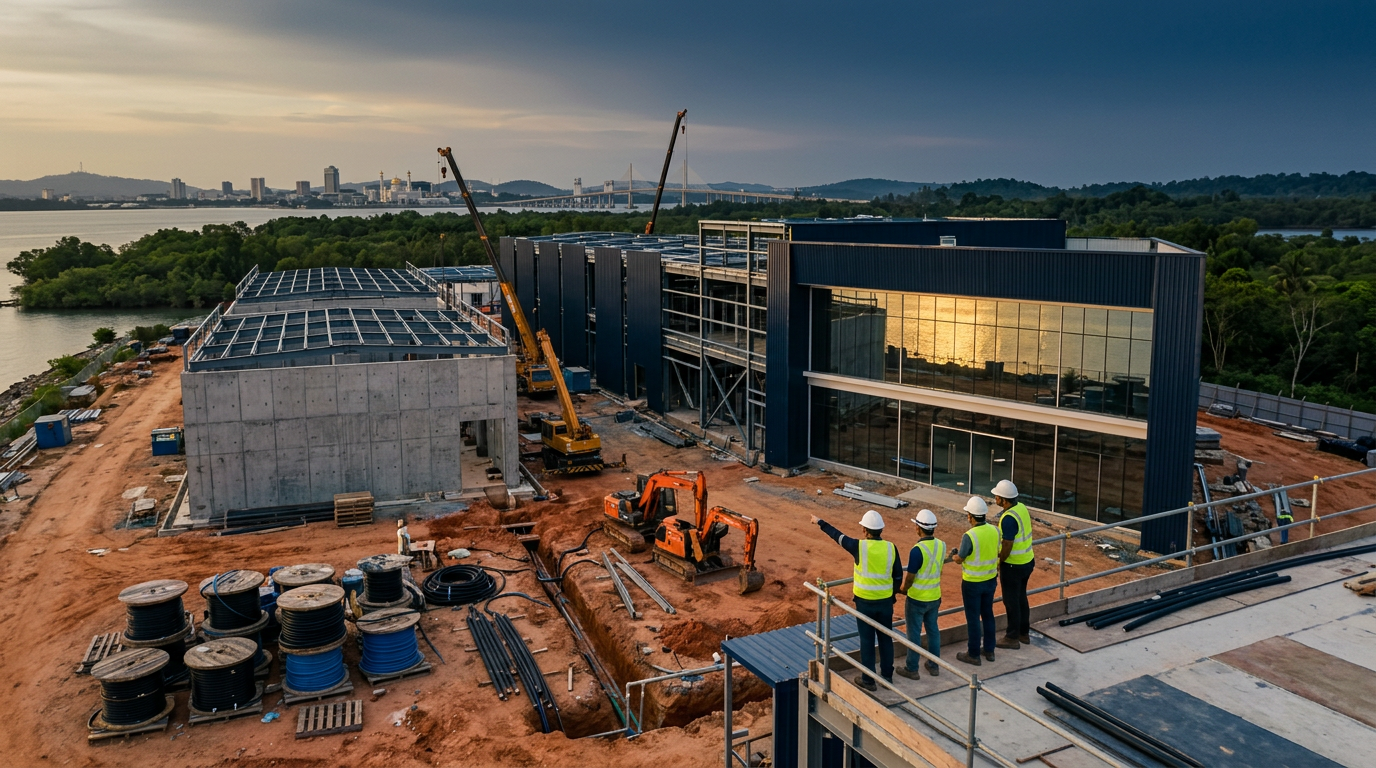 Brunei
's Data Center Ambitions Test ASEAN's Infrastructure Readiness
Brunei Darussalam is making a concerted push into the data center market, aiming to leverage its stable energy supply. Success will depend on coordinating capital, infrastructure, and talent, not just on providing cheap power.
 Brunei
, Data Centers, and the Value of Boring Infrastructure
Brunei has a credibility problem. The country has long announced its intention to become a smart nation and a digital hub. But announcements are not the same as execution, and data centers are a demanding asset class.
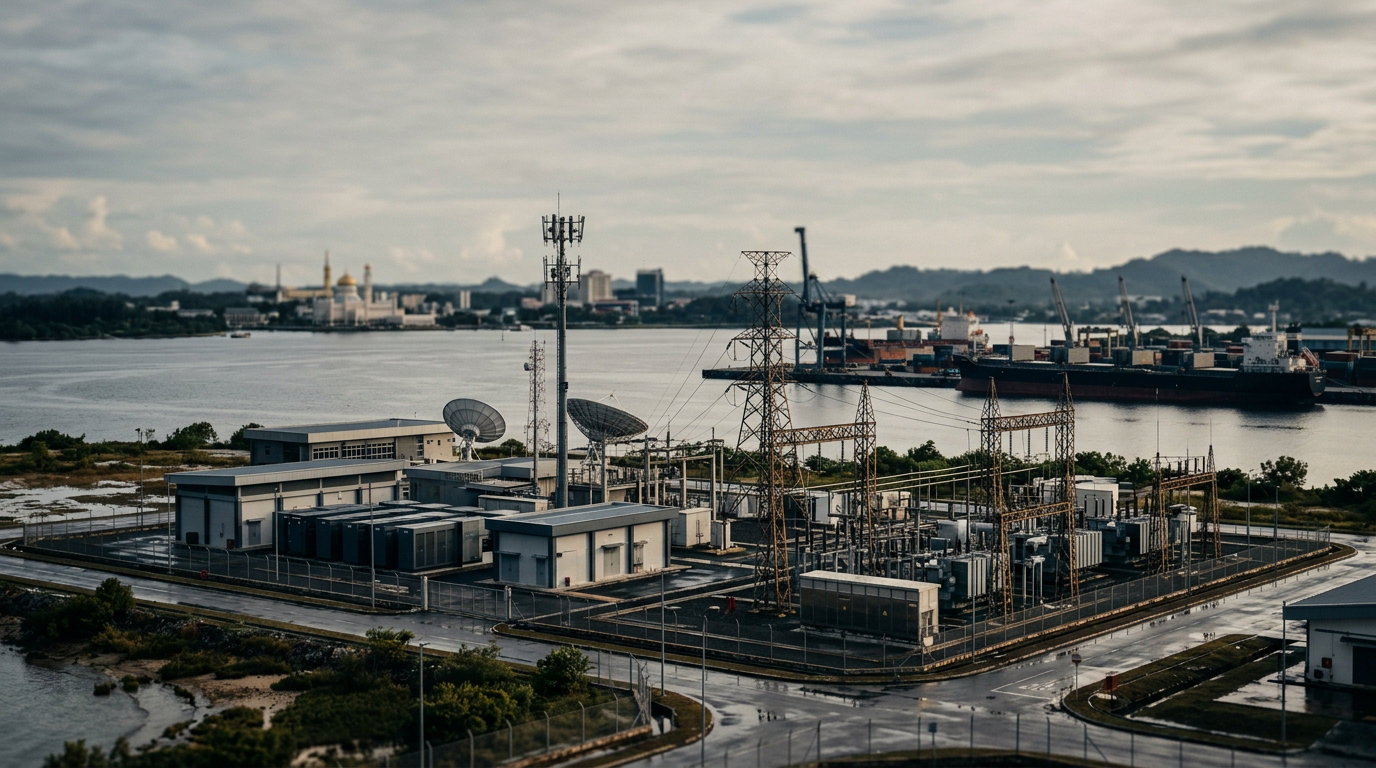 Brunei
, Microsoft, and the Value of a Usable State
Microsoft's expanded partnership with Qcells to develop virtual power plants in Brunei highlights a key theme from ASEAN Rising: "A usable state is often more valuable than an exciting one."
 Brunei
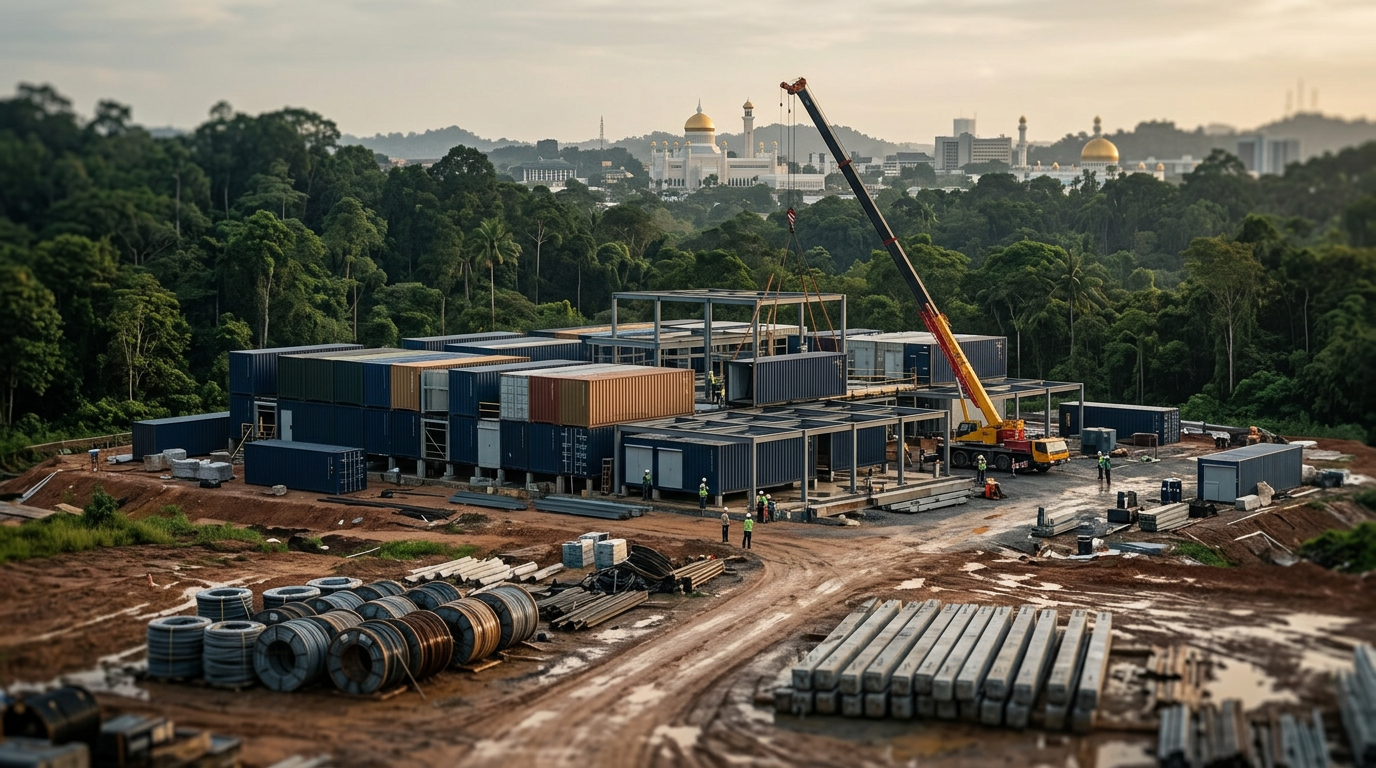
's Data Center Buildout Tests State Capacity
Brunei's recent announcement of a prefabricated data center power module is a step toward economic diversification. Its success will depend less on the technology itself and more on the institutional capacity to execute.
 Brunei
ASEAN's China Strategy Begins with Talent Development
The launch of a fellowship for junior diplomats highlights a core ASEAN truth: managing the deep, structural economic relationship with China depends on the long-term project of building human capital within the bloc's institutions.