Brunei
's Economic Blueprint and the Lessons of Execution
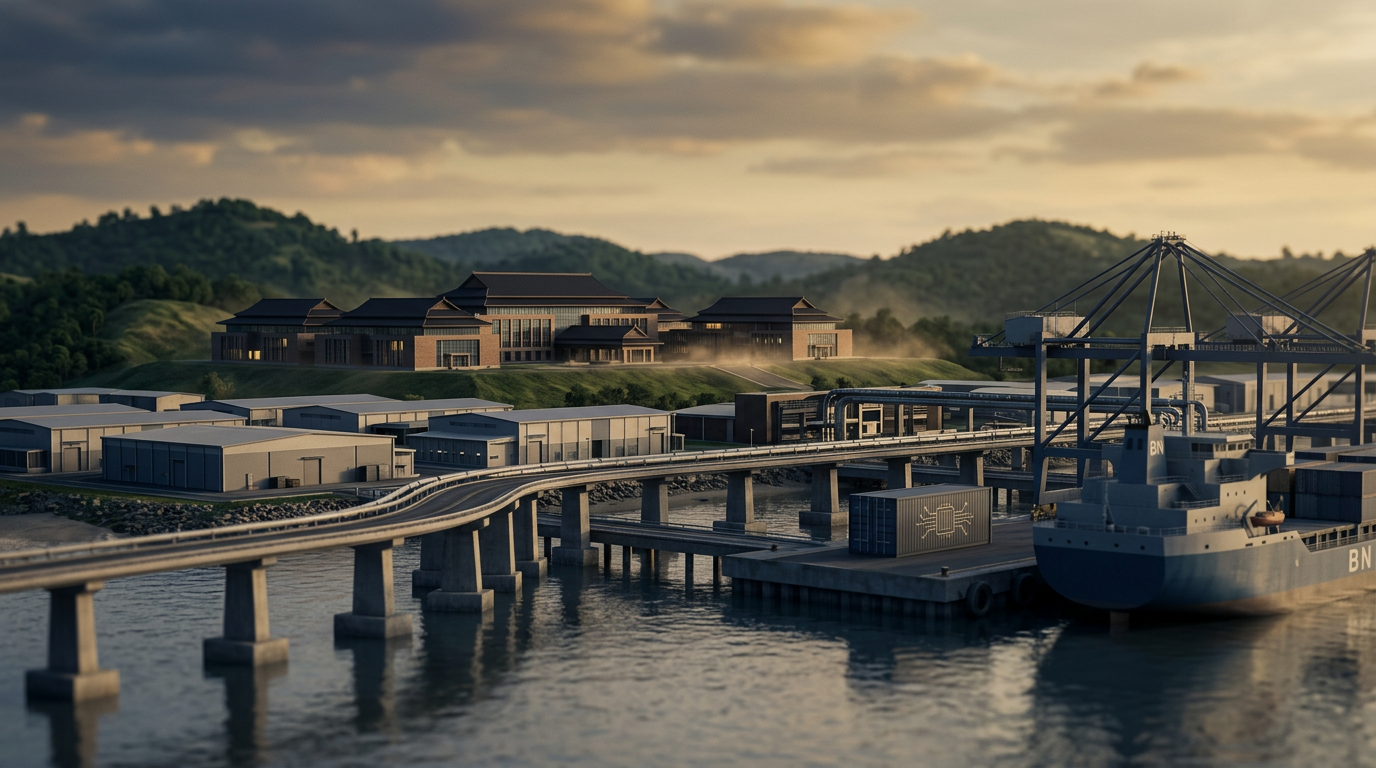
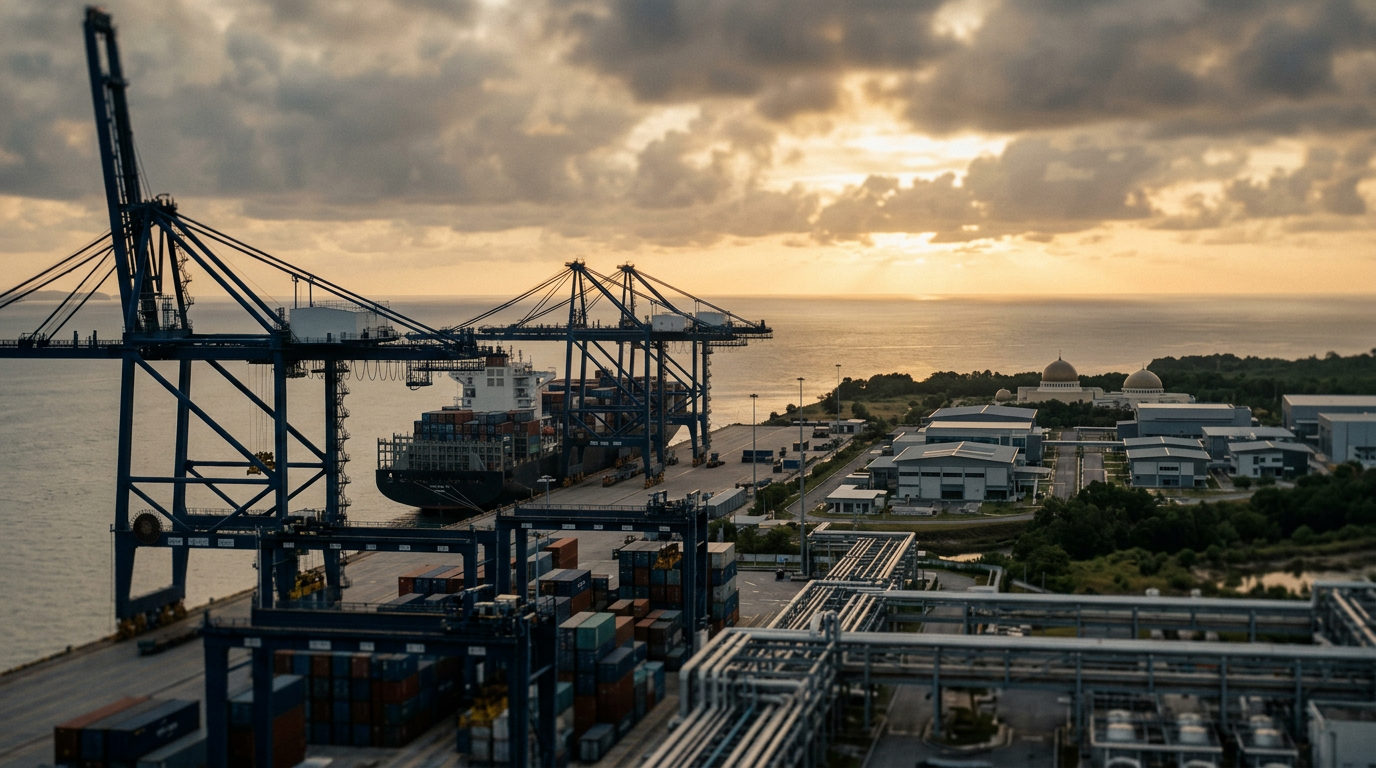
Brunei's economic diversification plans depend on institutional reliability. Infrastructure that arrives on time signals more than infrastructure that is merely announced.
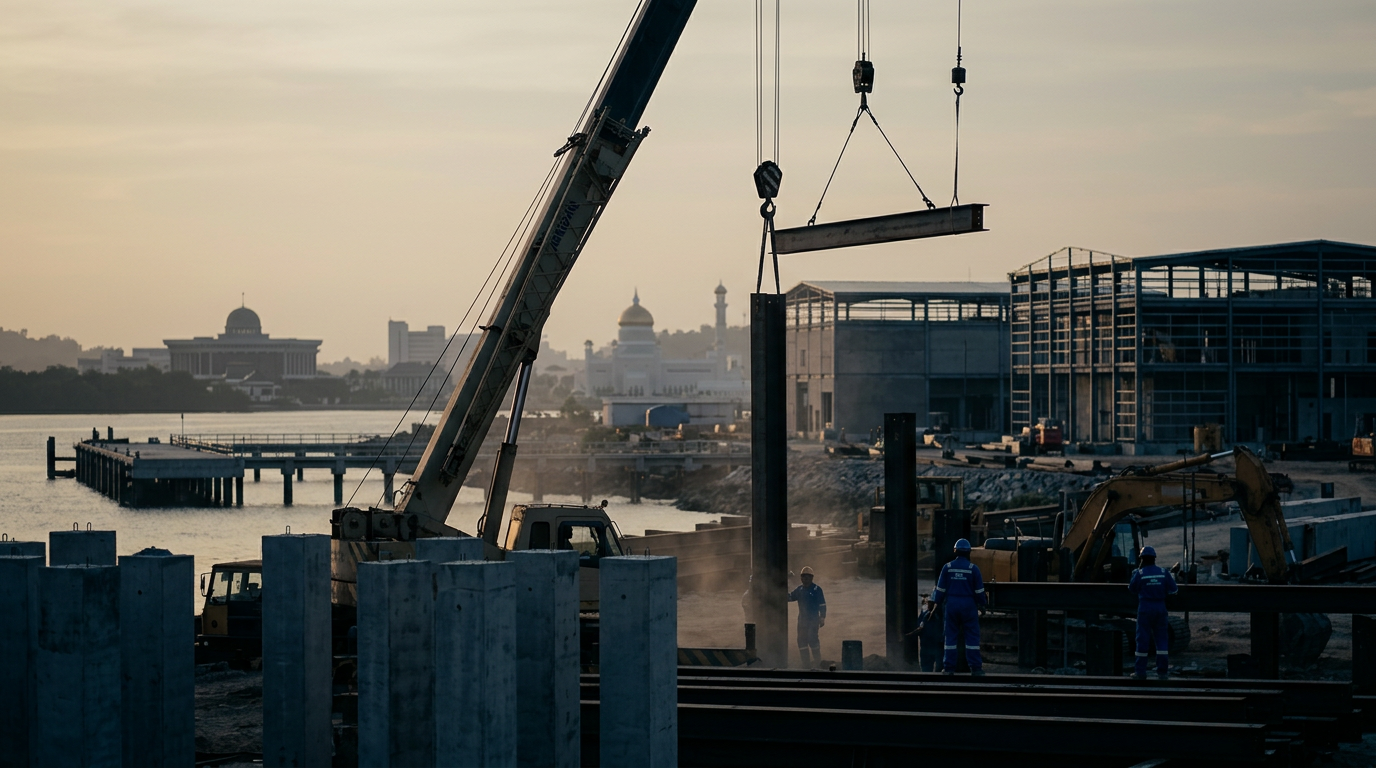
Japanese chipmaker Rapidus is launching a new initiative to support semiconductor design and manufacturing, according to a report in Data Center Dynamics. The move by a major player in a high-technology sector highlights the global competition for investment in advanced industries. For ASEAN members, particularly those seeking to diversify their economies like Brunei, it serves as a reminder that attracting such investment requires more than favorable policies on paper; it requires a proven capacity for execution. Brunei's own Wawasan 2035 and its Economic Blueprint aim for a dynamic and sustainable economy, but the success of these plans hinges on the ability to build and sustain the complex infrastructure that high-value industries demand.
The Foundation of Trust
Attracting foreign direct investment in sectors like semiconductor manufacturing is not simply a matter of offering incentives. It is about creating an environment of trust. Global firms in technologically advanced fields need assurance that the states they partner with have the institutional capacity to deliver on their promises. This means predictable regulations, a skilled workforce, and, most fundamentally, reliable infrastructure. As the book "ASEAN Rising" notes, "Institutional reliability has become part of comparative advantage." A nation's ability to execute large-scale projects efficiently and transparently becomes a powerful signal to international investors. The competition for capital is not just about the most attractive vision, but about the most credible one.
From Blueprint to Reality
Brunei's Economic Blueprint outlines a clear path for moving beyond its reliance on oil and gas. The plan identifies key sectors for growth, including downstream oil and gas, food, tourism, and services. A fifth sector, info-communication and technology, is where ambitions to join the global semiconductor value chain would logically fit. However, the gap between a blueprint and a finished project is where state capacity is truly tested. The development of industrial sites, the establishment of logistics networks, and the consistent supply of utilities are all non-negotiable elements for a sector where disruptions can be extraordinarily costly. A usable state that can deliver on its infrastructure commitments is often more valuable to an investor than one that only offers an exciting vision.
What to watch
As Brunei continues to implement its economic development plans, observers should watch for tangible progress in infrastructure projects that support its diversification strategy. The speed and predictability of these developments will be a key indicator of the country's institutional strength. This will determine its ability to compete for and retain the sort of high-value investment that can secure its long-term economic resilience.