Brunei
 and the semiconductor test
Institutional reliability has become part of comparative advantage. A usable state is often more valuable than an exciting one.
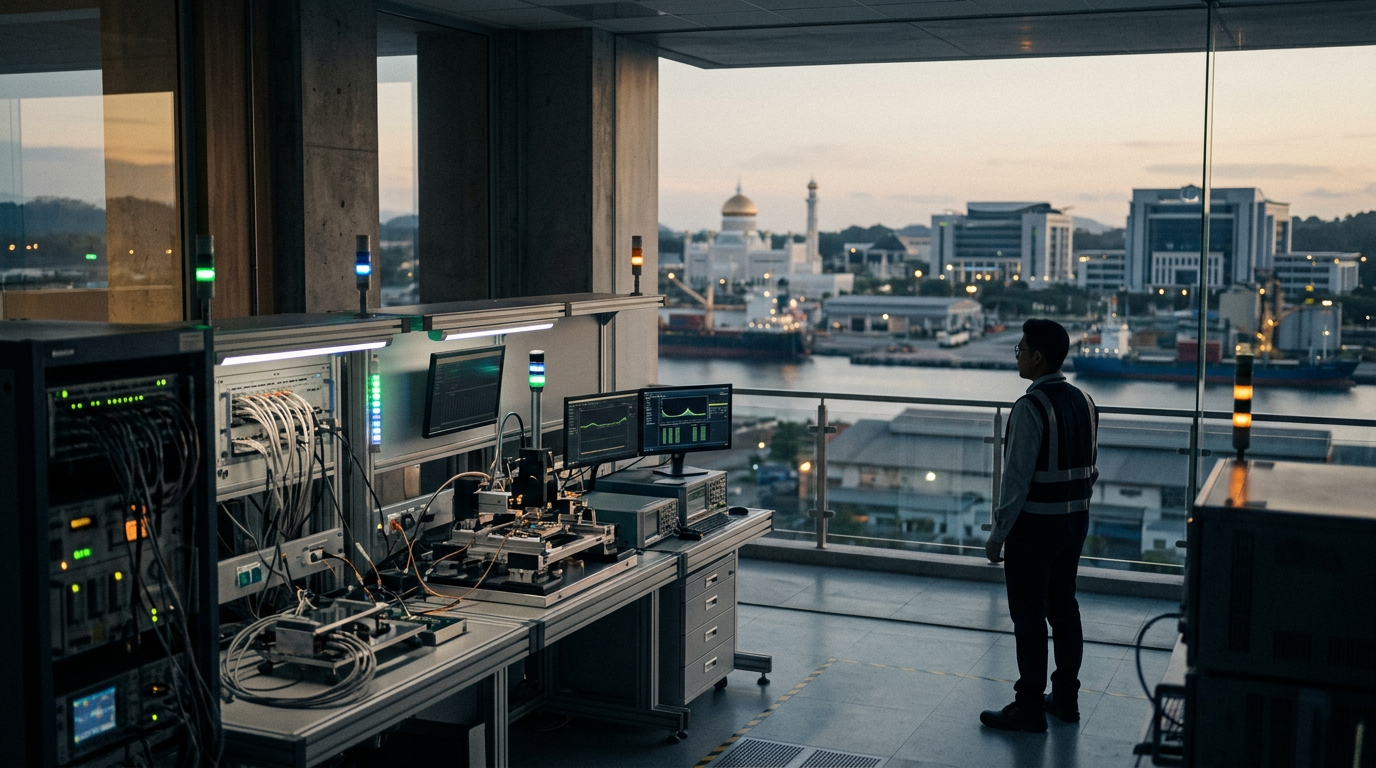
Japanese chipmaker Rapidus has announced a new initiative to support semiconductor design and manufacturing, as reported by Data Center Dynamics. While this move is centered on Japan's own industrial policy, it has implications for ASEAN members like Brunei that are seeking to attract foreign investment in high-technology sectors. For Brunei, the question is not just about incentives, but about the fundamental quality of its state and institutional capacity.
State capacity as advantage
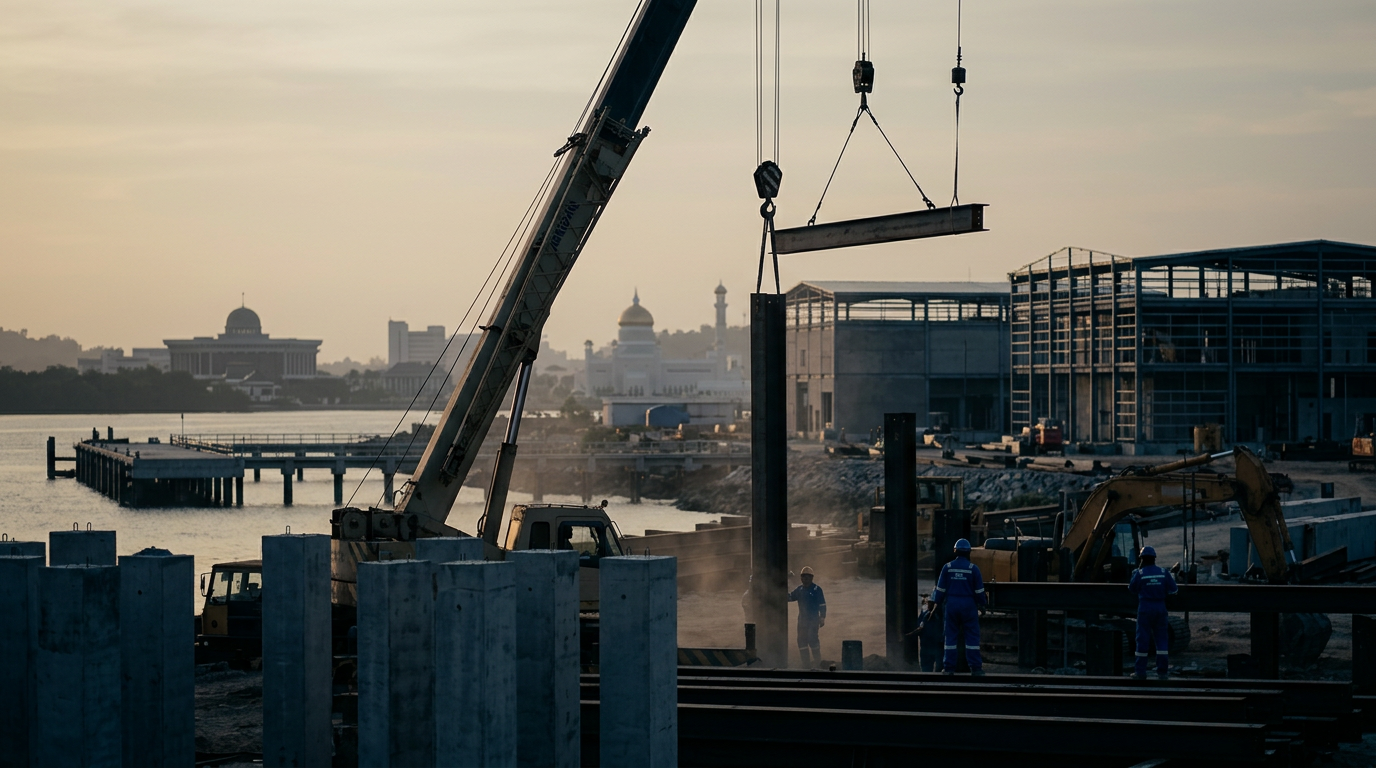
A nation's ability to execute on complex projects is a form of competitive advantage. Grand announcements of new industrial parks or special economic zones mean little if the basic work of approvals, permits, and site preparation is bogged down by inefficiency. As "ASEAN Rising" notes, "Infrastructure that arrives on time signals more than infrastructure that is merely announced." Foreign investors, particularly in capital-intensive industries like semiconductors, look for predictable and reliable partners. They are drawn to environments where the government can deliver on its promises and where administrative friction is low.
Brunei has made efforts to reduce red tape through initiatives like the Brunei Economic Development Board (BEDB). The goal has been to create a "single window" for investors to navigate the state apparatus. The success of these efforts will determine whether Brunei can move beyond its reliance on oil and gas and build a more diversified economic base. Attracting a semiconductor fabrication plant, or even a smaller part of the value chain like an assembly, testing, and packaging (ATP) facility, requires a level of institutional competence that goes beyond simply offering tax breaks.
Infrastructure and talent
The semiconductor industry has exacting requirements. It needs uninterrupted power, vast quantities of clean water, and robust digital connectivity. These are not just lines on a blueprint; they are hard infrastructure assets that must be in place and flawlessly maintained. For Brunei, this means ensuring that its utility and telecommunications infrastructure is world-class. It also requires a sustained investment in human capital. A semiconductor industry cannot be built without a deep pool of local engineers, technicians, and skilled manufacturing personnel. This requires a long-term commitment to education in science, technology, engineering, and mathematics (STEM) and the development of vocational training programs aligned with industry needs. The presence of a competent workforce is a signal that a country is serious about long-term development.
What to watch
Brunei is currently working to develop the Salambigar Industrial Park to support a range of export-oriented activities, including the possibility of attracting a wafer fabrication plant. Observers should monitor the tangible progress of this project, from land clearance and utility connections to the signing of actual tenants. The speed and efficiency of its execution will be a clear indicator of Brunei's state capacity and its readiness to compete for a place in the global technology supply chain.