Malaysia
Green Transition: Turning ASEAN Policy into Investable Projects
The ESG Symposium 2026 highlights the need for an inclusive green transition in ASEAN, but turning policy statements into realised investment requires a focus on institutions and execution.
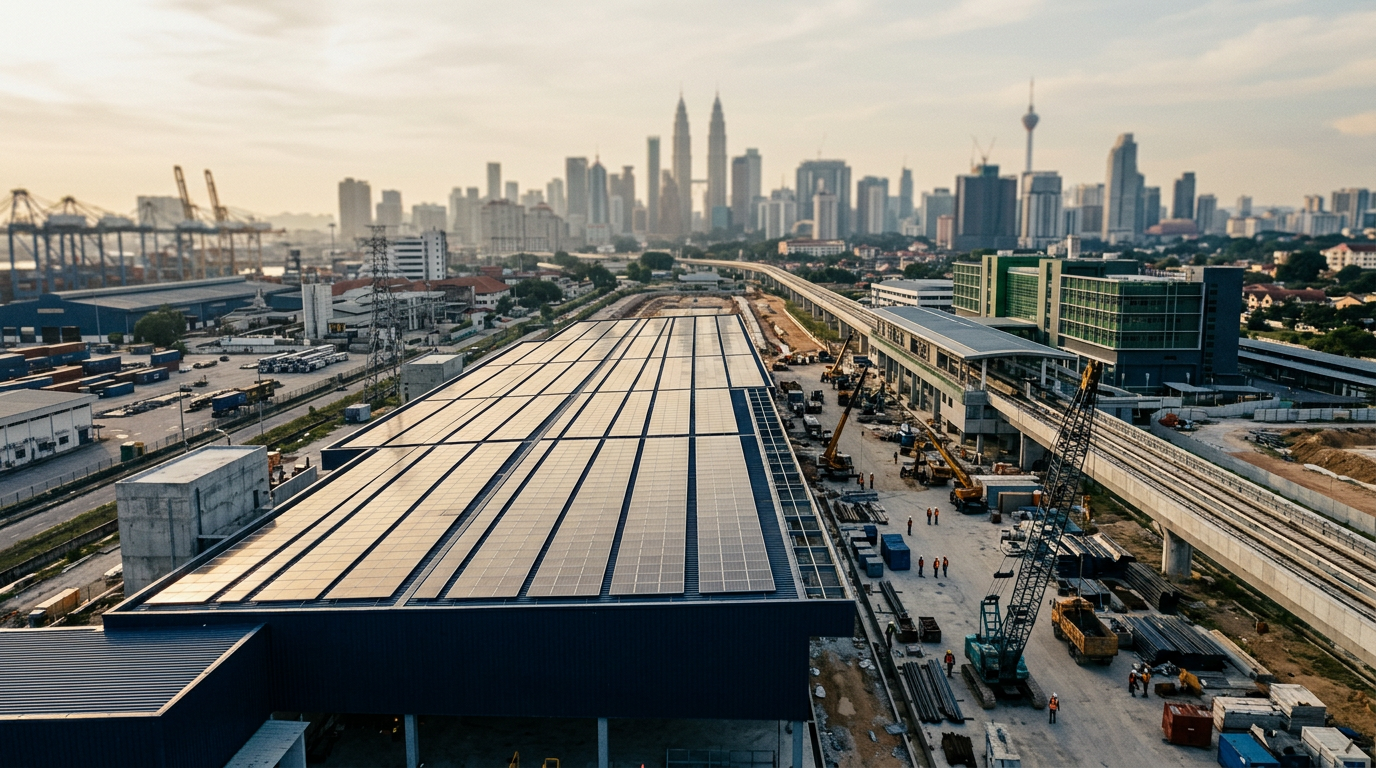
A recent ESG Symposium urged ASEAN to pursue an inclusive green transition to boost industrial competitiveness and investment, as reported by the Bangkok Post. The meeting highlighted pathways for a just energy transition that balances environmental goals with economic resilience. While such high-level discussions are important for setting direction, the real work lies in translating these ambitions into tangible, bankable projects on the ground.
From Ambition to Execution
A green transition requires immense capital, and ASEAN is a major recipient of foreign direct investment (FDI) announcements. However, as the book "ASEAN Rising" notes, there is a significant difference between announced FDI and realised FDI. The latter depends on the complex, time-consuming work of securing land rights, obtaining permits, ensuring reliable power, and developing a skilled workforce. The book makes the point that "scale matters only when institutions can turn it into investable depth."
For the green transition, this means national and sub-national agencies must have the capacity to manage complex projects. This includes everything from streamlining environmental impact assessments to reforming technical and vocational education to train solar technicians and electrical engineers. Without strong institutional support to de-risk projects and manage practical hurdles, investor interest can quickly fade, leaving promising announcements to languish.
The Role of Capital Markets
Executing a region-wide green transition also demands deep and sophisticated capital markets. Sustainable finance frameworks and green bonds are becoming more common across ASEAN, which is a positive development. These instruments help channel private sector capital towards sustainable infrastructure and industry. However, the success of these mechanisms is tied to the quality of the underlying projects.
Investors, whether they are development banks or private equity funds, need a pipeline of well-structured, investment-ready projects. This requires local expertise to prepare feasibility studies, ensure projects align with national sustainability taxonomies, and manage stakeholder relations. The institutional capacity to generate and vet these projects is just as important as the financial instruments used to fund them. A focus on improving the governance and technical capabilities of the institutions responsible for project origination is therefore essential for attracting the necessary scale of capital.
What to watch
Observers should monitor how ASEAN member states translate broad commitments on green energy and sustainable industry into specific regulatory reforms and project pipelines. The key metric of success will not be the number of policy statements issued, but the volume of realised investment flowing into green infrastructure and the efficiency with which those projects are executed. The ability of domestic institutions to prepare and manage these complex undertakings will determine the pace and inclusivity of the region's transition.