Malaysia
From ESG Goals to Green Growth in ASEAN
The ESG Symposium 2026 highlighted pathways for sustainable investment in Southeast Asia. However, turning high-level commitments into tangible industrial competitiveness and realised investment requires a focus on institutional execution.
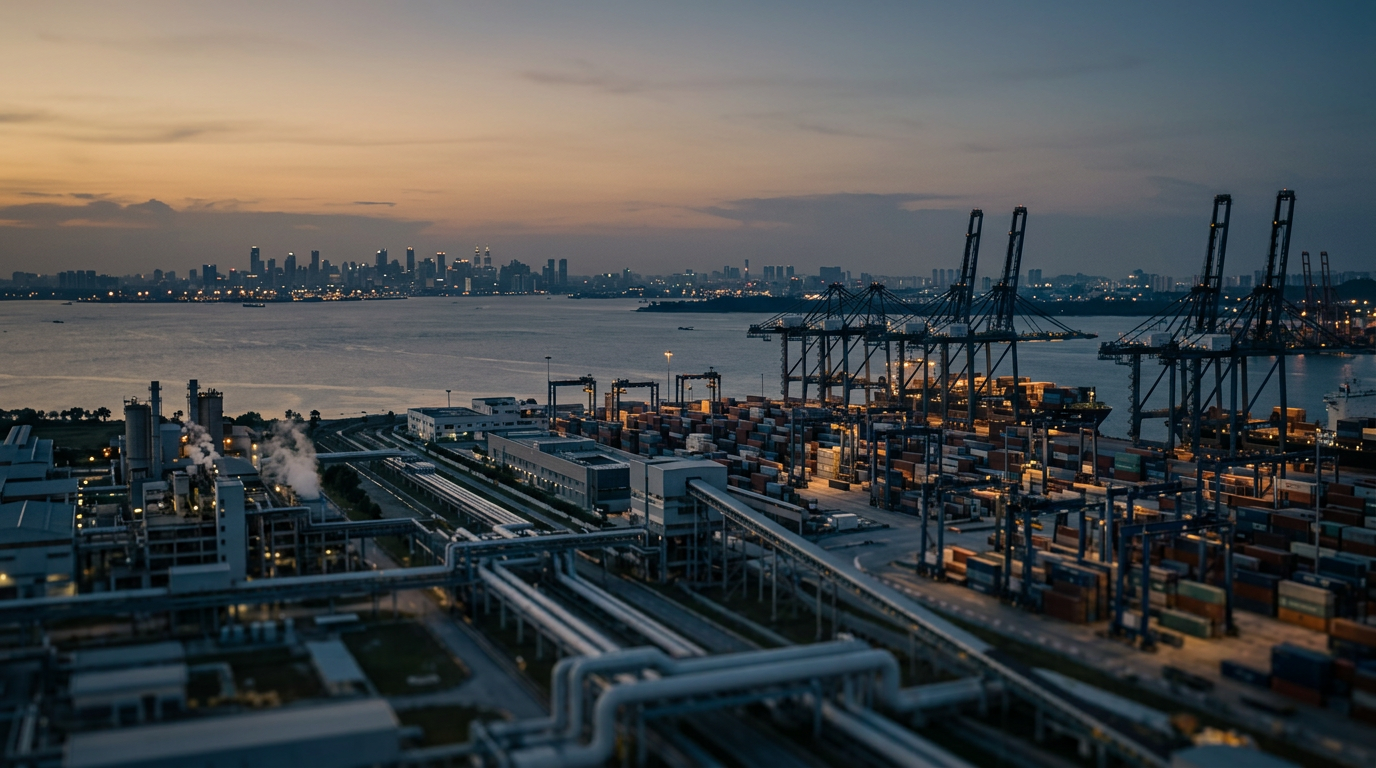
A recent ESG Symposium urged ASEAN to pursue an inclusive green transition, outlining ways to boost industrial competitiveness, investment, and resilience, as reported by the Bangkok Post. The discussion reflects a growing consensus that sustainable practices are not just an environmental necessity but a core component of future economic growth. For ASEAN, attracting a share of the burgeoning global green investment is a priority. However, the path from high-level commitments to realized foreign direct investment (FDI) is complex, demanding a focus on the foundational elements of the investment climate.
Institutions and Investable Depth
Foreign investment often arrives in waves of announcements, but its real impact is felt only when capital is deployed. As the book "ASEAN Rising" notes, this depends on the slower, more challenging work of institutional readiness. Grand strategies for green transitions are essential for setting direction, but their success hinges on the capacity of institutions to translate vision into concrete, bankable projects. The core idea is that "Scale matters only when institutions can turn it into investable depth."
Investors in green energy, sustainable agriculture, or resilient infrastructure look beyond national targets. They scrutinize the bureaucratic machinery responsible for execution. This includes the transparency of procurement, the reliability of legal frameworks, and the consistency of regulatory enforcement. For ASEAN nations, this means strengthening the agencies that manage land acquisition, issue permits, and oversee environmental standards. Without this institutional capacity, ambitious green goals remain just that-goals, not grounded investments that create jobs and build competitiveness.
From Capital to Competitiveness
Attracting FDI for a green transition is not an end in itself. The ultimate goal is to build durable industrial competitiveness. This requires more than just capital; it requires an ecosystem that supports innovation and operational excellence. For example, an investment in a new electric vehicle battery plant needs more than a factory shell. It requires a reliable supply of clean energy, a logistics network that can handle sensitive materials, and a workforce with the right technical skills.
The symposium's focus on an "inclusive" transition points to the importance of developing local talent and supply chains. If a wave of green FDI flows only to imported technologies and foreign specialists, its long-term benefit to the host economy is diminished. Building local capacity-from vocational training programs for green jobs to support for local suppliers in the renewable energy sector-is what turns large-scale investment into broad-based economic upgrading. This is the difference between merely hosting green projects and building a green industrial base.
What to watch
As ASEAN nations refine their green transition roadmaps, the key indicator of success will not be the number of symposiums held or strategies announced. Instead, watch for progress in the less glamorous work of institutional reform. Monitor changes in the time and cost required to get permits for renewable energy projects, the development of specialized industrial parks with reliable green power, and the launch of specific talent development programs for sustainable industries. The flow of realised FDI will follow the evidence of on-the-ground execution.