
ASEAN Analysis & Commentary
Every analysis published on ASEAN Rising is sourced, datestamped and signed. We're more interested in being right in 12 months than first in 12 minutes.
Foundation pieces
Start here. The three pieces below set out the lens ASEAN Rising uses to read every story.
ASEAN Rising's core lens. Execution Economics is the study of whether countries, companies and institutions can convert obvious potential into delivered outcomes - and which six pillars decide the answer.
The region has capital, demographics, location and policy ambition. None of that has ever been the binding constraint. The next decade is an execution test, not a potential test - and it is already being scored.
Malaysia is the test case for whether ASEAN's middle powers can turn FDI, semiconductors and data centres into compounding domestic capability. Read the live coverage and execution scorecard.
Analysis tagged #economics
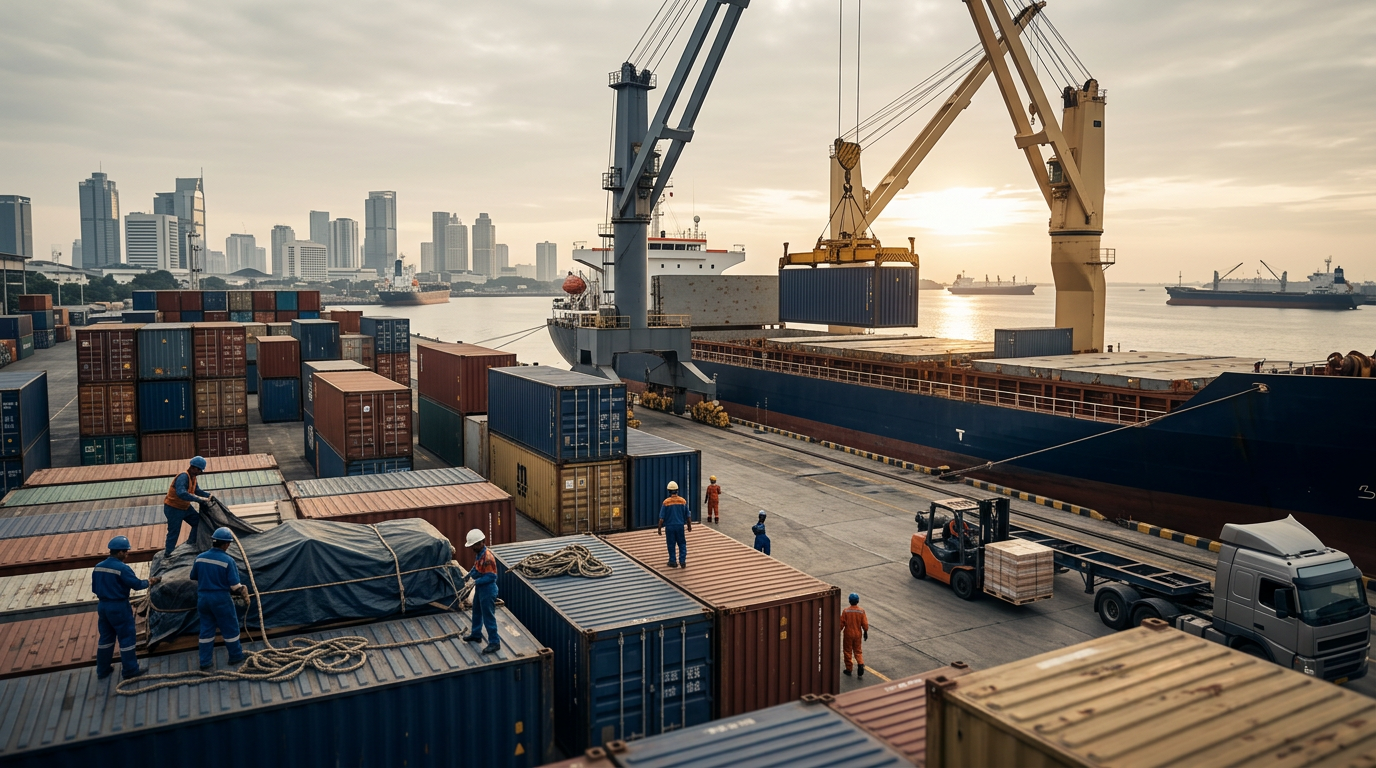
 Indonesia
, Export-Led Growth, and a Managed Dependency on China
An export clinic in Palu, Indonesia, highlights a deeper structural question for the entire ASEAN bloc: how to manage economic dependency on China without sacrificing strategic options.
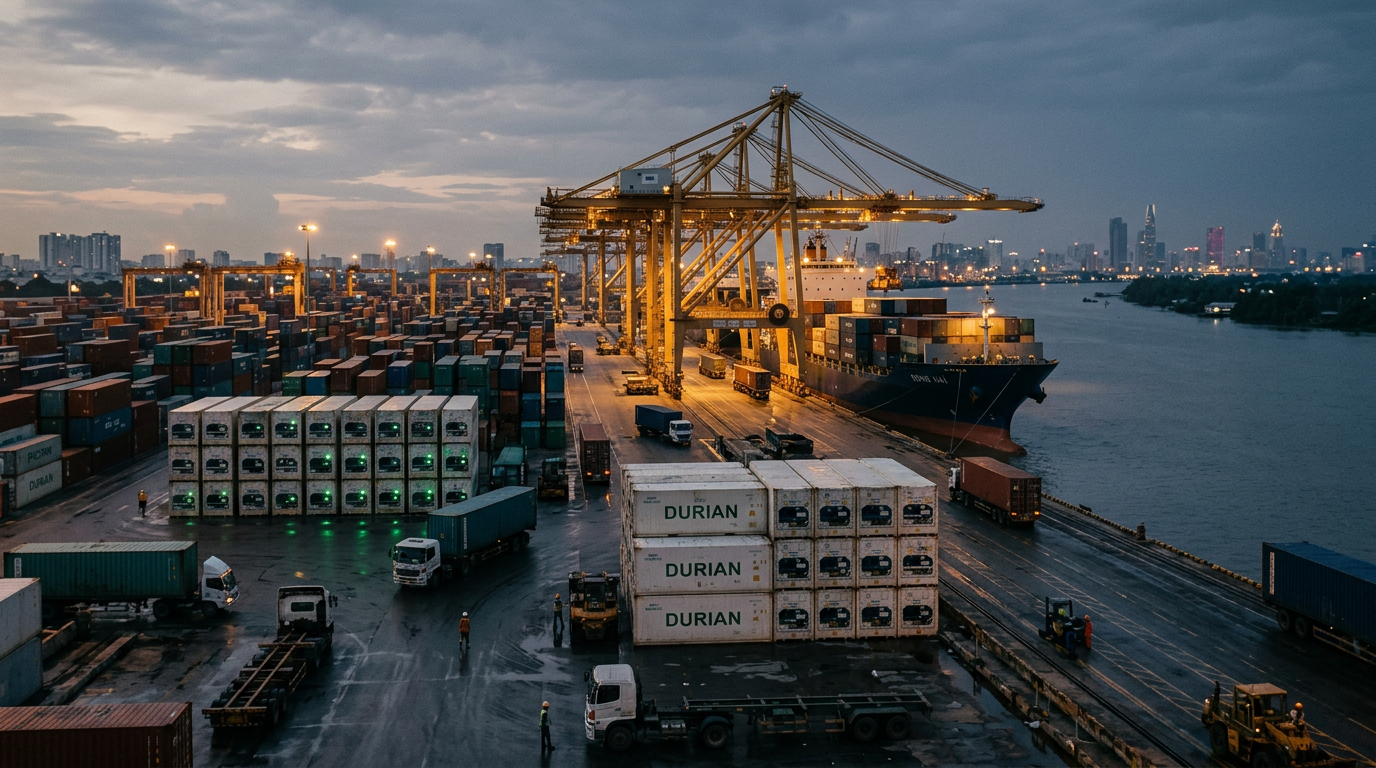
 Vietnam
's Durian Trade and the China Question
Vietnam's durian market is overheating, driven by insatiable demand from China. The dynamics of the durian trade offer a miniature case study in how ASEAN members can manage their growing economic dependency on China.
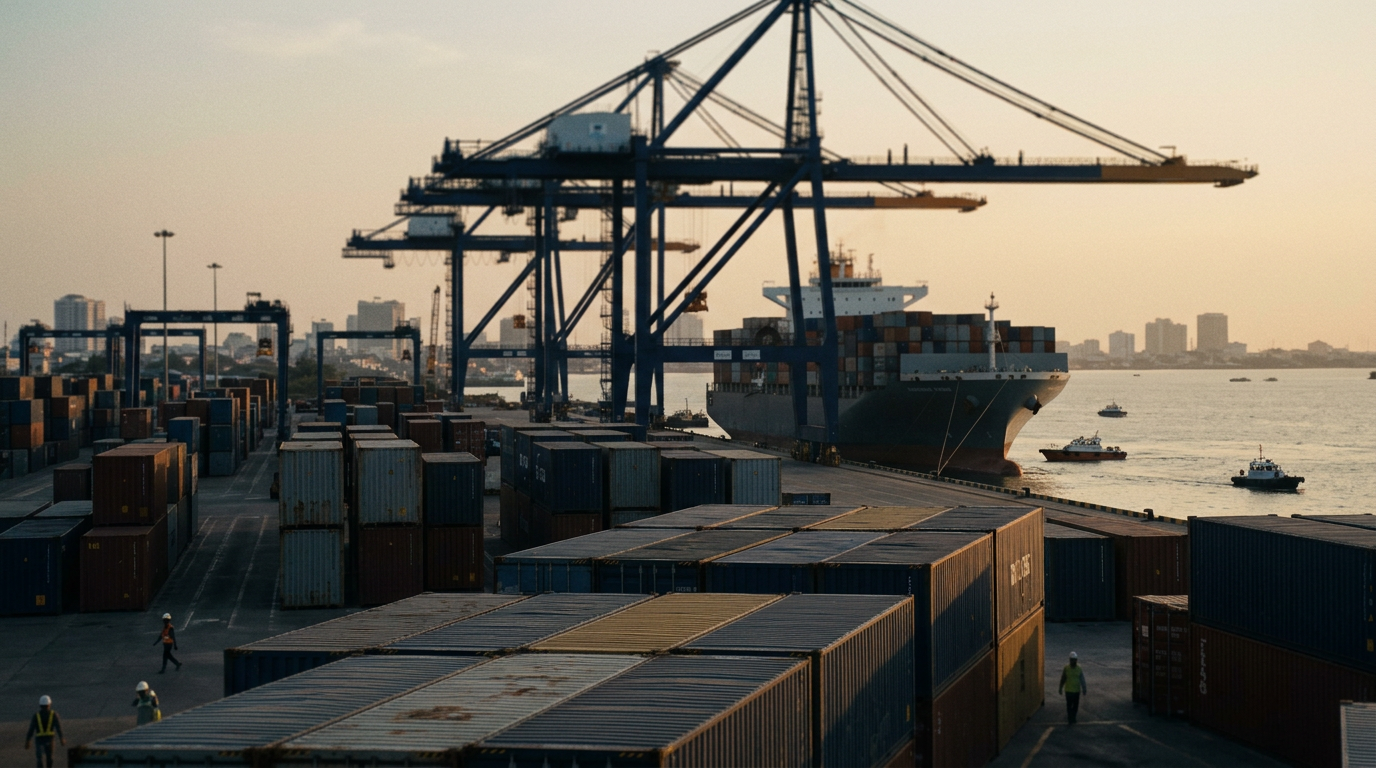
 Cambodia
, RCEP, and the China Question
Cambodia's trade surge under RCEP highlights a deeper structural reality for all of ASEAN: how to manage economic dependency on China without losing strategic optionality.
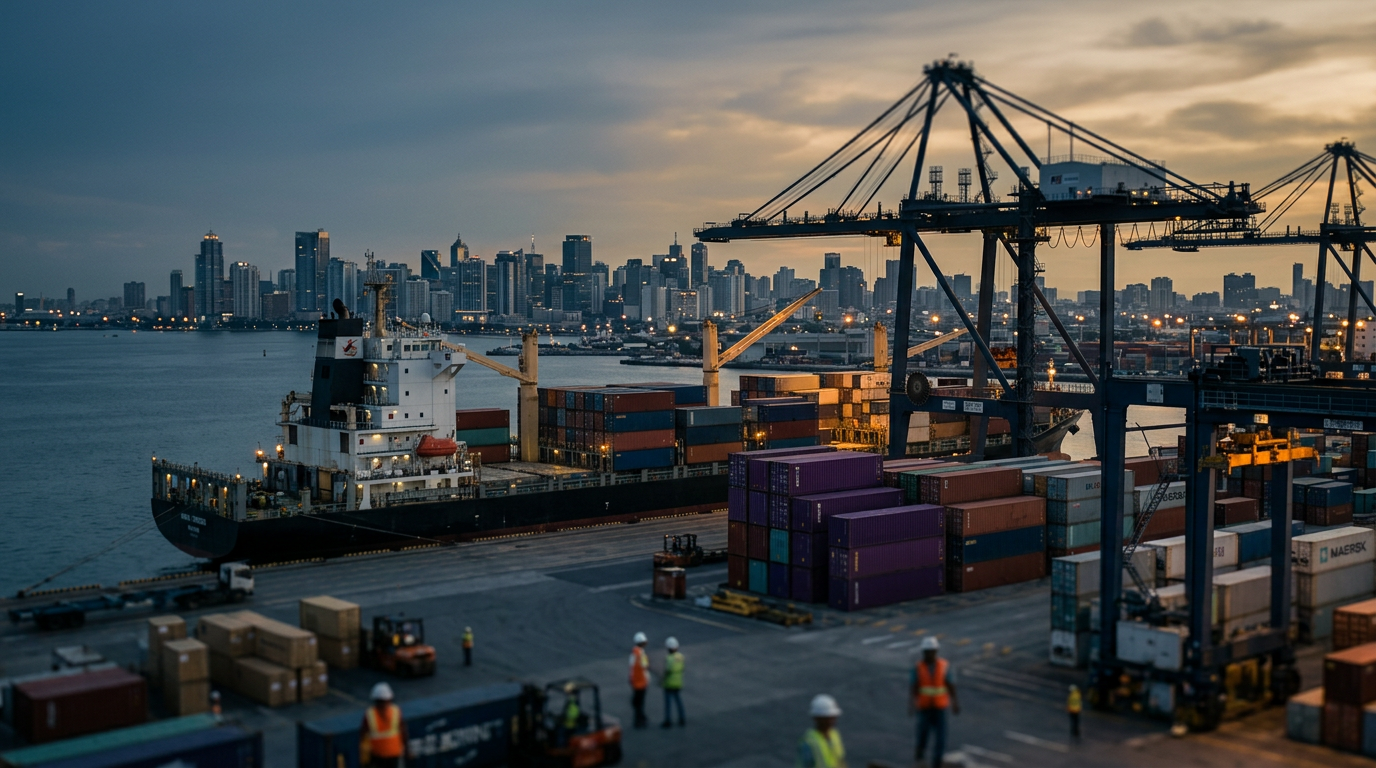
 Philippines
The Philippines, Ukraine, and the Ube Trade: A Lesson in Dependency Management
A recent trade overture from Ukraine to the Philippines highlights a core theme of ASEAN economic statecraft: managing dependency. While China remains the dominant trade partner, new connections offer a path to greater strategic optionality.
 Singapore
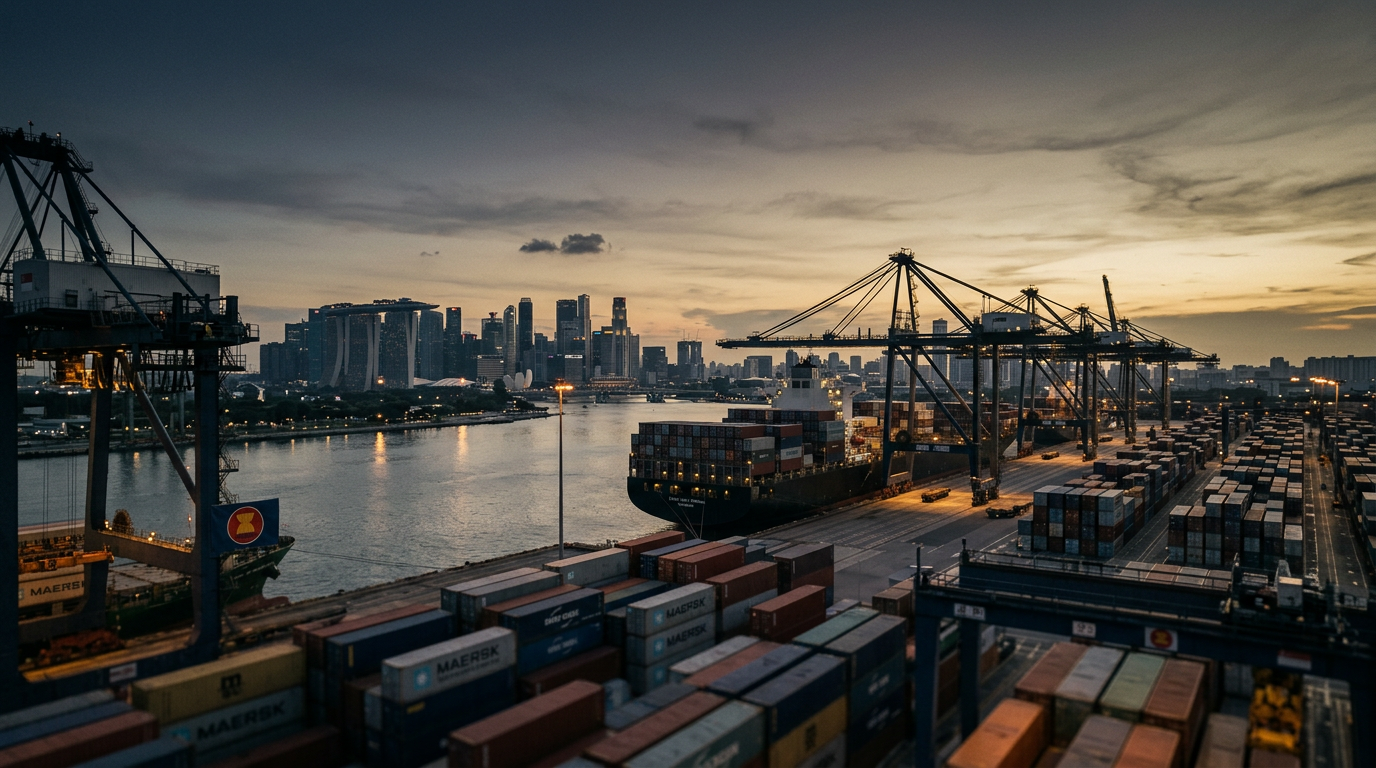
Managing Trade Dependency: Singapore, the US, and ASEAN's China Test
Singapore's recent trade discussions with the United States underscore a deeper structural challenge for all ASEAN members: how to manage deep economic ties with China while navigating intensifying US-China rivalry.
 Vietnam
's Durian Boom and the China Dependency Dilemma
Vietnam's surging durian exports to China illustrate a core ASEAN challenge: how to capitalize on deep trade ties with a single dominant market without sacrificing long-term economic stability and strategic options.

Fixing a Glitch in the Single Market: ASEAN's Rules of Origin and the China Question
Complex rules of origin are holding back intra-ASEAN trade. This is not just a technical issue; it weakens the bloc's ability to manage its economic dependency on major partners like China.
 Malaysia
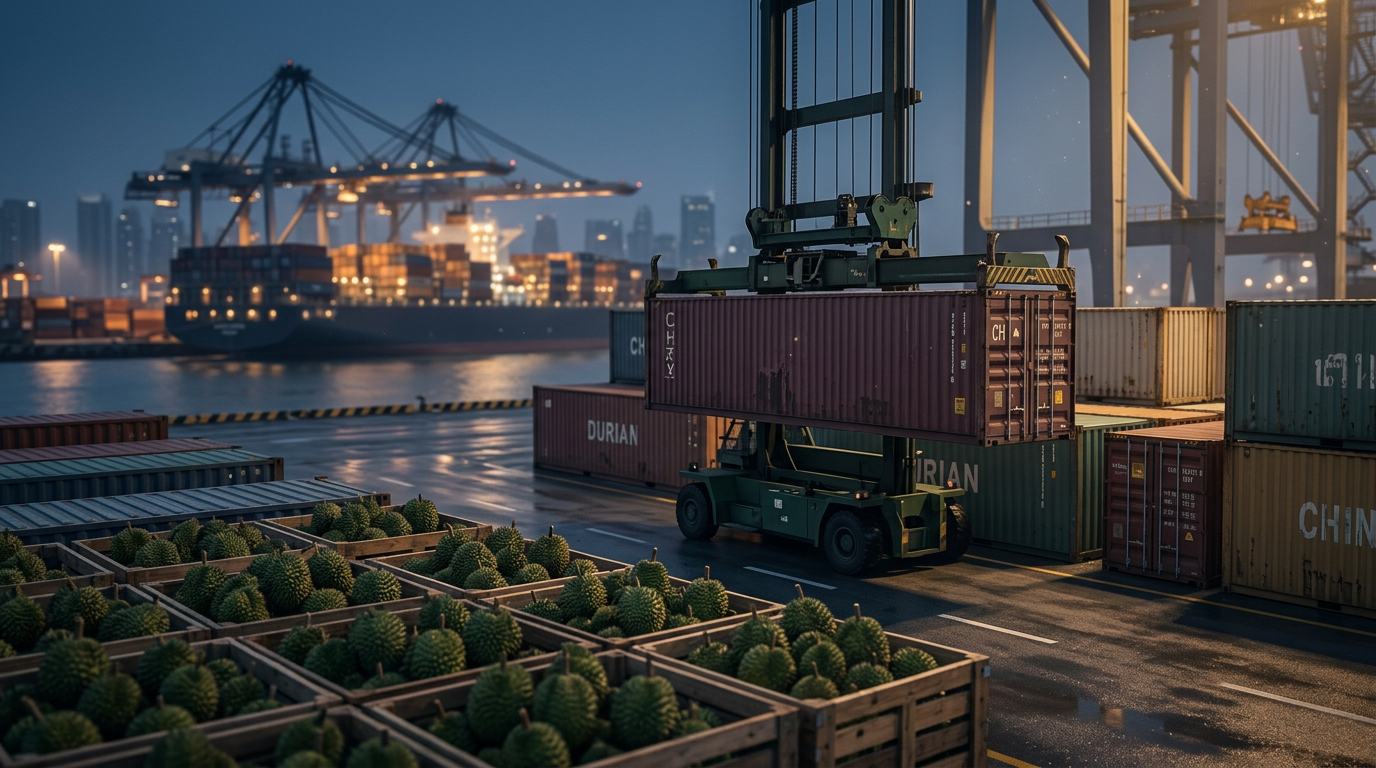
The Durian Test: Managing ASEAN's Structural Dependency on China
A surge in China's demand for durians provides a case study for the structural economic dependency ASEAN nations must navigate, a central theme explored in the book "ASEAN Rising".