Thailand
's Food Security Stress Test
Extreme weather and export controls in Thailand are a reminder for all of Southeast Asia that domestic resilience depends on the slow work of building institutions, infrastructure, and trust.
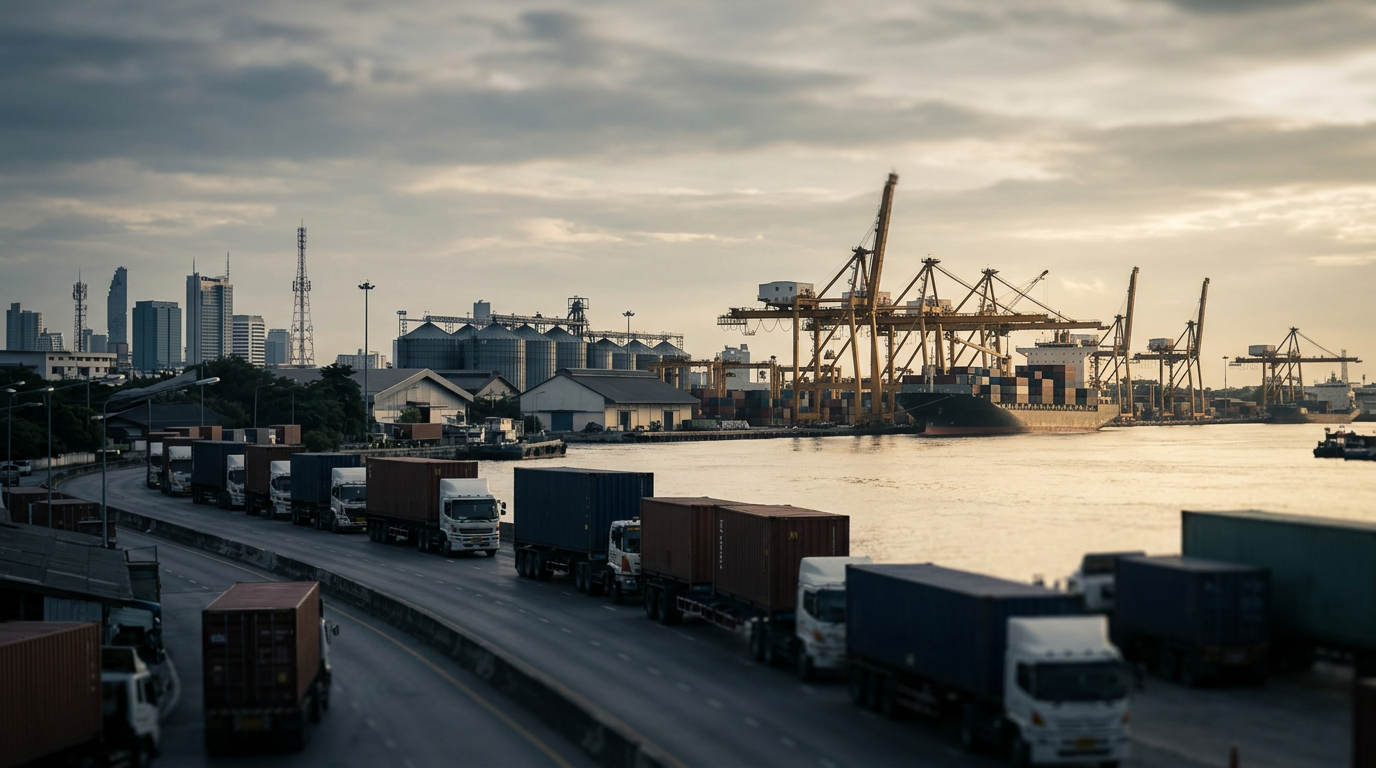
A recent request by Thailand's government for companies to reduce egg exports by 30% to 50% until December 2026 highlights a growing tension across Southeast Asia. As reported by the Bangkok Post, severe floods have disrupted domestic supply, forcing a turn towards protectionism to ensure local food security.
This is not an isolated incident. The decision echoes similar export controls imposed by various ASEAN governments on products like rice, sugar, and cooking oil in recent years when faced with domestic shortages or price instability. While understandable from a national perspective, these actions create uncertainty and undermine the long-term vision of a deeply integrated regional market.
The Sovereignty and Security Dilemma
Food security is a core component of national sovereignty. Governments have a primary responsibility to ensure their citizens have access to affordable and stable food supplies. Extreme weather events, intensified by climate change, are making this task more difficult. The floods in Thailand demonstrate how quickly a key agricultural sector can be compromised, forcing an immediate policy response.
However, these national-level actions have regional consequences. For importing nations within ASEAN, such as Malaysia and the Philippines, sudden export bans from their neighbours can create supply shocks and price volatility. This dynamic can erode trust between member states, making it harder to cooperate on broader economic and security matters. It complicates the vision of a single market where goods are supposed to flow freely, guided by market forces rather than sudden government interventions.
Institutions and Infrastructure Under Pressure
Effective crisis response depends on the strength of underlying institutions. In the case of Thailand's egg shortage, the government is resorting to export controls, a blunt instrument. A more resilient system might involve robust national food reserves, better early warning systems for weather disruptions, and pre-negotiated solidarity mechanisms with ASEAN partners to manage regional supply shocks without resorting to outright bans.
The book "ASEAN Rising" notes that announced investment and actual realised investment are two different things, with the latter depending on the slow, difficult work of improving ground-level conditions. The same logic applies to food security. A national food strategy looks good on paper, but its success depends on the quality of infrastructure- from irrigation and flood defences to storage and transportation logistics. As climate events become more frequent and severe, the gap between policy and physical reality is becoming more apparent. The Thai floods show that even for a major food exporter, infrastructure resilience cannot be taken for granted.
From National Reflex to Regional Resilience
The pattern of recurring export controls suggests a need for a more institutionalised approach to food security at the ASEAN level. This is not about infringing on sovereignty but about building a more predictable and stable regional market. Such a framework could include greater transparency on national stock levels, agreements on managing supply surges and shortages, and coordinated investment in climate-resilient agricultural infrastructure.
Building this type of framework requires significant trust among member states. It asks governments to believe that their neighbours will act as reliable suppliers in times of crisis, reducing the impulse to hoard resources. The current trend of national-first responses, while politically expedient, works against the development of this necessary trust. It keeps the region locked in a cycle of reactive, short-term measures that create ripple effects of instability.
What to watch
Attention should be paid to whether ASEAN can move beyond national export controls and develop a more coordinated regional food security strategy. Watch for discussions within the ASEAN Ministers on Agriculture and Forestry (AMAF) meetings about establishing more formal mechanisms for mutual support during supply disruptions. The frequency and severity of future climate-related events will test whether the region's approach to food supply remains a matter of national security or can evolve into a domain of shared regional stability.