Philippines
The Philippines Confronts El Niño with Open Trade
The Philippines has signaled its intent to keep rice imports flowing in anticipation of El Niño. This policy choice highlights the tension between institutional capacity and the real-world friction of climate and agricultural cycles.
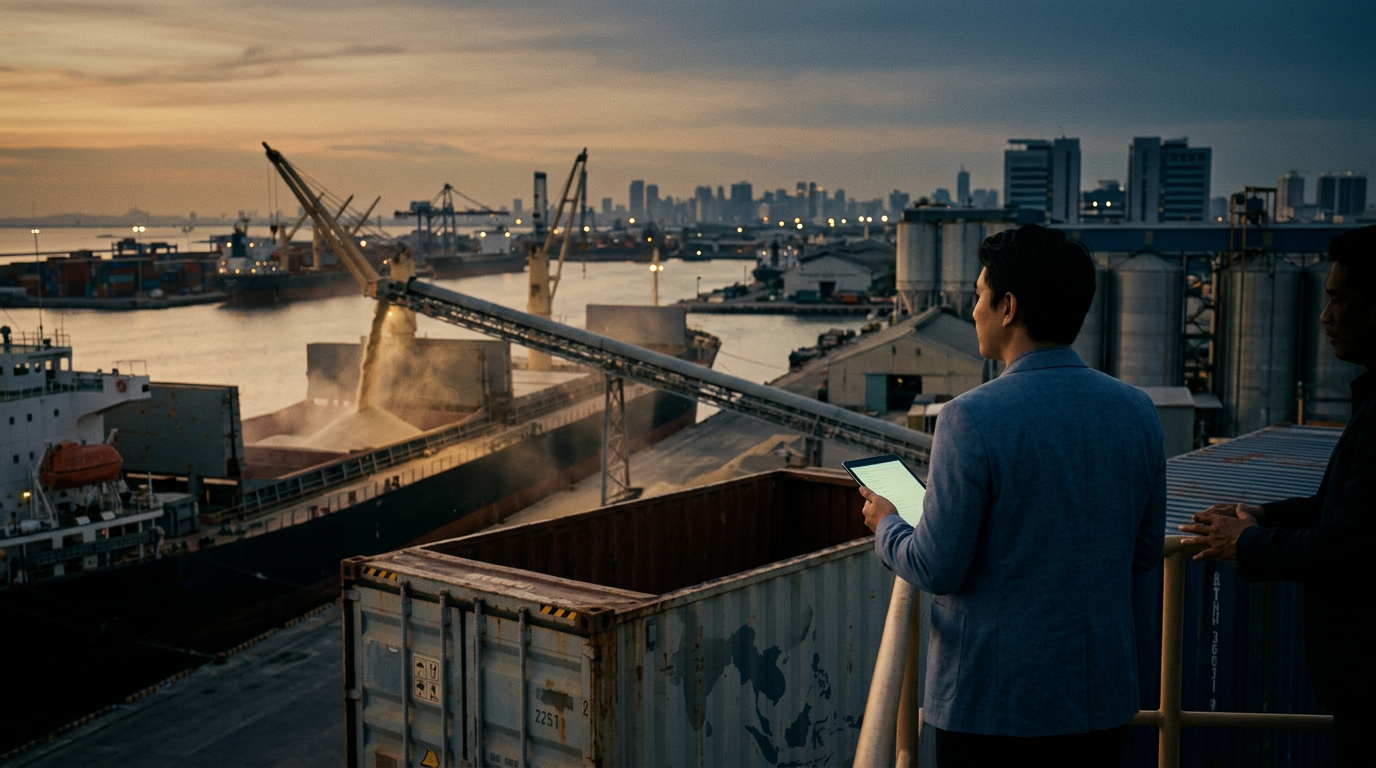
The Philippines will not ban rice imports this year, a decision intended to stabilize domestic supply against the anticipated impact of El Niño. The choice, reported by VNExpress, reflects a pragmatic approach to food security in a region highly exposed to climate volatility.
Faced with a potential shortfall in domestic rice production, the government has opted for open markets over protectionist measures. This policy is not just about securing a staple food; it is a direct test of the country's institutional ability to manage supply chains, logistics, and market prices in a time of stress. The decision puts the focus squarely on the state's capacity to execute a stable import program without creating undue market distortions.
Institutions and Agricultural Stability
The challenge for the Philippines is to ensure that imported rice reaches consumers efficiently and affordably. This requires more than just a policy announcement. It depends on the operational effectiveness of port authorities, customs agencies, and logistics networks. The friction of slow-moving bureaucracy or inadequate infrastructure can be just as damaging as the drought itself. Success will be measured not by the volume of imports, but by the stability of rice prices in local markets and the uninterrupted availability of the staple for households.
As "ASEAN Rising" notes, policy execution is a core component of state capacity. The book argues that "a usable state is often more valuable than an exciting one." In this context, a usable state is one that can manage the complex logistics of a national food security strategy. The theoretical benefit of open trade is only realized if the institutional framework can deliver the goods. The Philippine government is betting that its institutions are robust enough to manage the flow of rice from international suppliers to local consumers without significant bottlenecks or price shocks.
Capital, Infrastructure, and Climate Resilience
Addressing the recurring threat of El Niño requires long-term investment in infrastructure. This includes not only ports and roads for efficient distribution but also irrigation systems, post-harvest facilities, and water management projects to make domestic agriculture more resilient. Such projects are capital-intensive and demand a predictable regulatory environment to attract investment.
The Philippines' decision on rice imports is a short-term solution to an immediate problem. However, it highlights the broader need for sustained capital allocation toward climate-resilient infrastructure. The reliability of these systems is a form of national competitive advantage. Building the infrastructure to mitigate the impact of predictable climate cycles like El Niño strengthens the country's economic foundations far more than reactive trade policies.
What to watch
Observers should monitor the performance of Philippine state agencies in managing the rice import process, particularly regarding logistics and price stabilization. The effectiveness of this execution will be a practical indicator of the country's institutional capacity. Additionally, attention should be paid to any new government initiatives or private sector investments aimed at improving agricultural infrastructure, as this will determine the country's long-term resilience to climate-related food security challenges.