
ASEAN Analysis & Commentary
Every analysis published on ASEAN Rising is sourced, datestamped and signed. We're more interested in being right in 12 months than first in 12 minutes.
Foundation pieces
Start here. The three pieces below set out the lens ASEAN Rising uses to read every story.
ASEAN Rising's core lens. Execution Economics is the study of whether countries, companies and institutions can convert obvious potential into delivered outcomes - and which six pillars decide the answer.
The region has capital, demographics, location and policy ambition. None of that has ever been the binding constraint. The next decade is an execution test, not a potential test - and it is already being scored.
Malaysia is the test case for whether ASEAN's middle powers can turn FDI, semiconductors and data centres into compounding domestic capability. Read the live coverage and execution scorecard.
Analysis tagged #sovereign AI
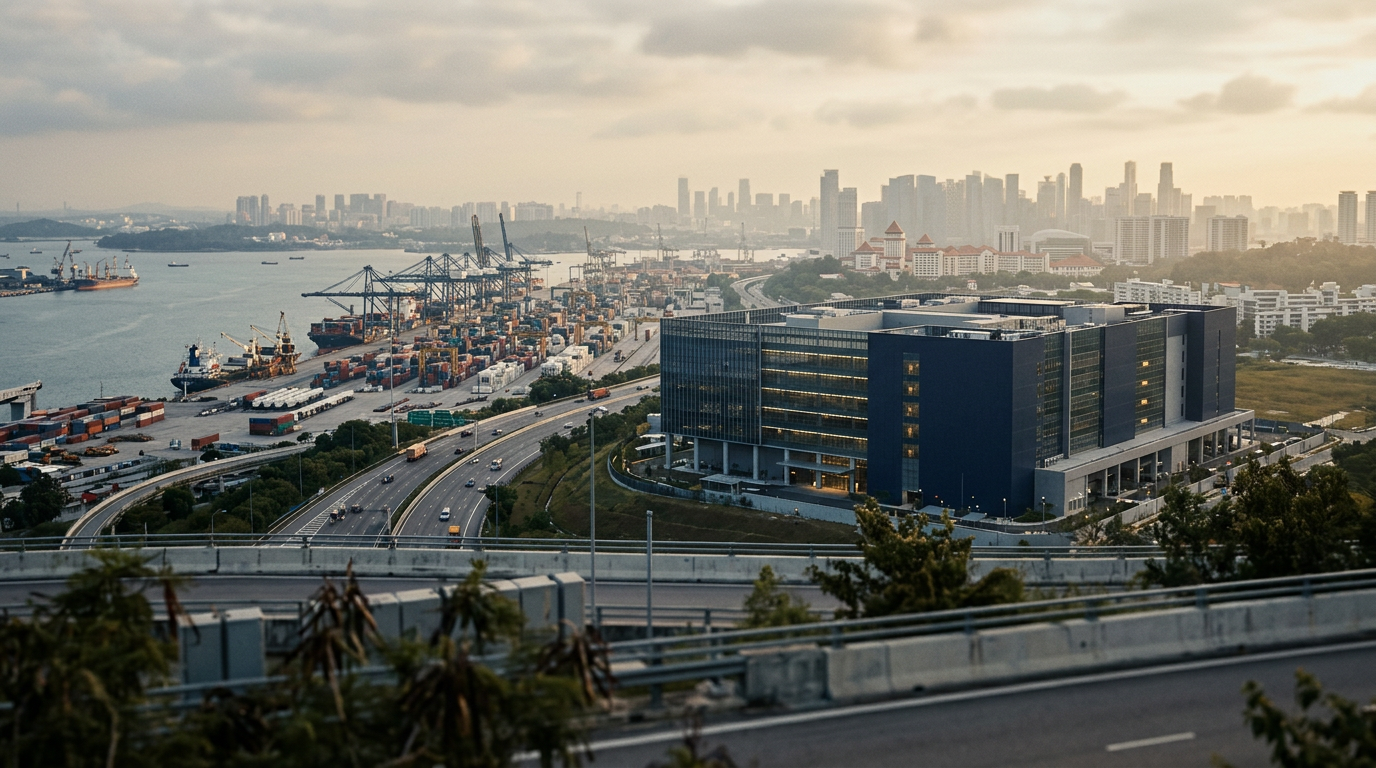
Alibaba Cloud and the ASEAN Sovereign AI Stack
Alibaba Cloud's recent infrastructure expansion in ASEAN brings the region's focus back to the foundational layers of sovereign AI: compute, data, and digital identity, not just the models themselves.

 Philippines
The Infrastructure of Sovereign AI in the Philippines
The recent launch of an AI workspace by a major Philippine telecom highlights the deepening competition over the foundational layers of the digital economy. While such platforms promise to democratize access to AI tools, the underlying questions of data sovereignty.
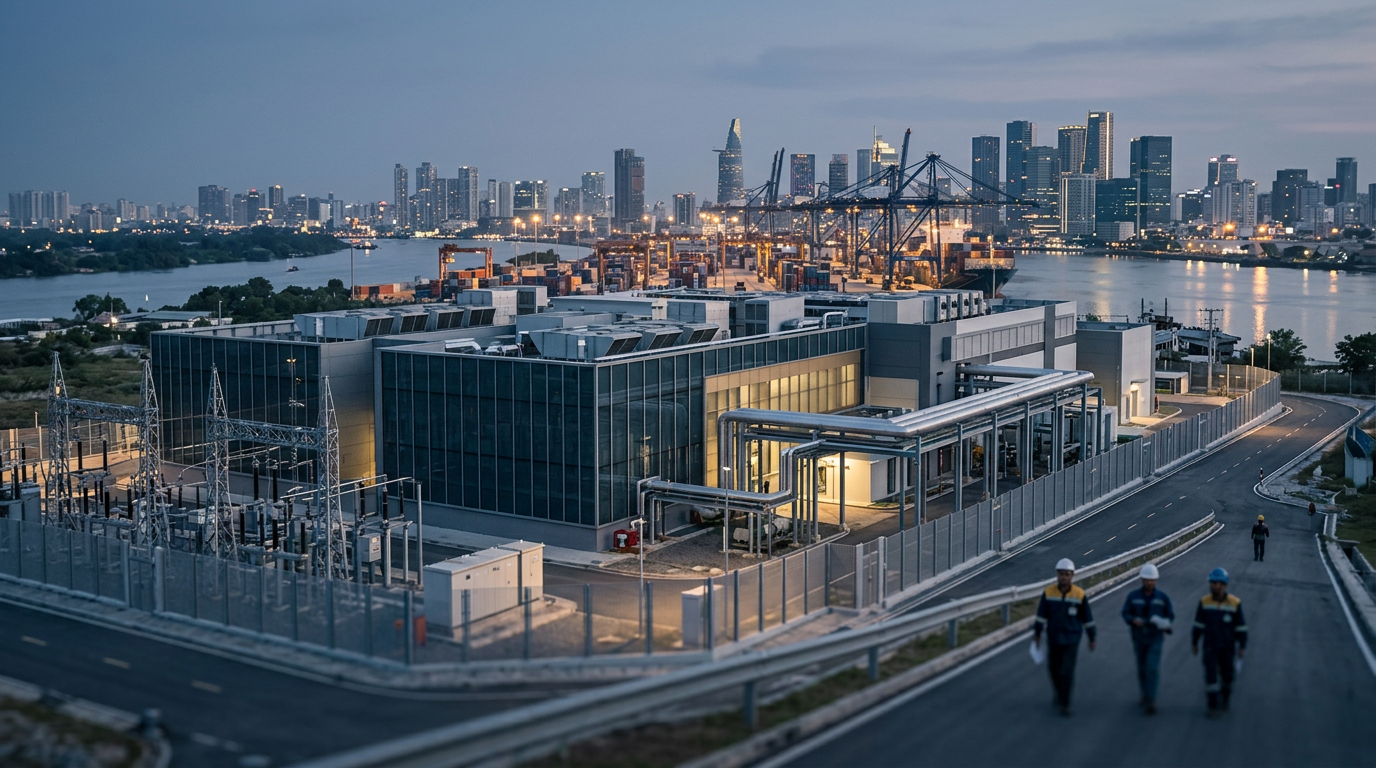
Sovereign AI in ASEAN: More Than Just Models
NVIDIA's latest expansion of AI deployments in Southeast Asia using its Nemotron models highlights the region's push into artificial intelligence. However, true sovereign AI capability will be determined by control over compute, data, and digital identity infrastructure, not.
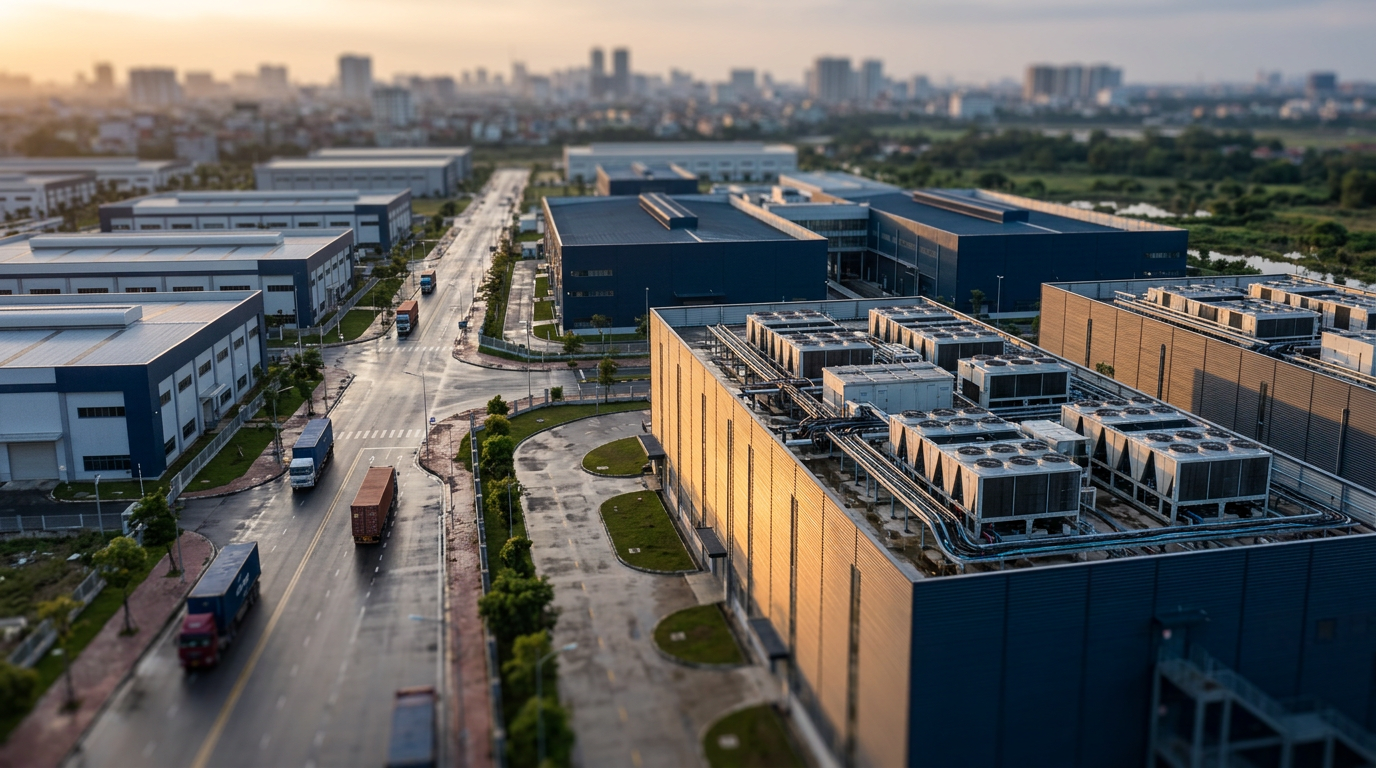
 Vietnam
's Push for AI Sovereignty
Hanoi's recent courtship of global tech giants like Qualcomm and Samsung for AI and semiconductor investment is not just about upgrading its technology sector. It reflects a deeper, region-wide ambition for sovereign AI, where control over compute, data, and digital identity.
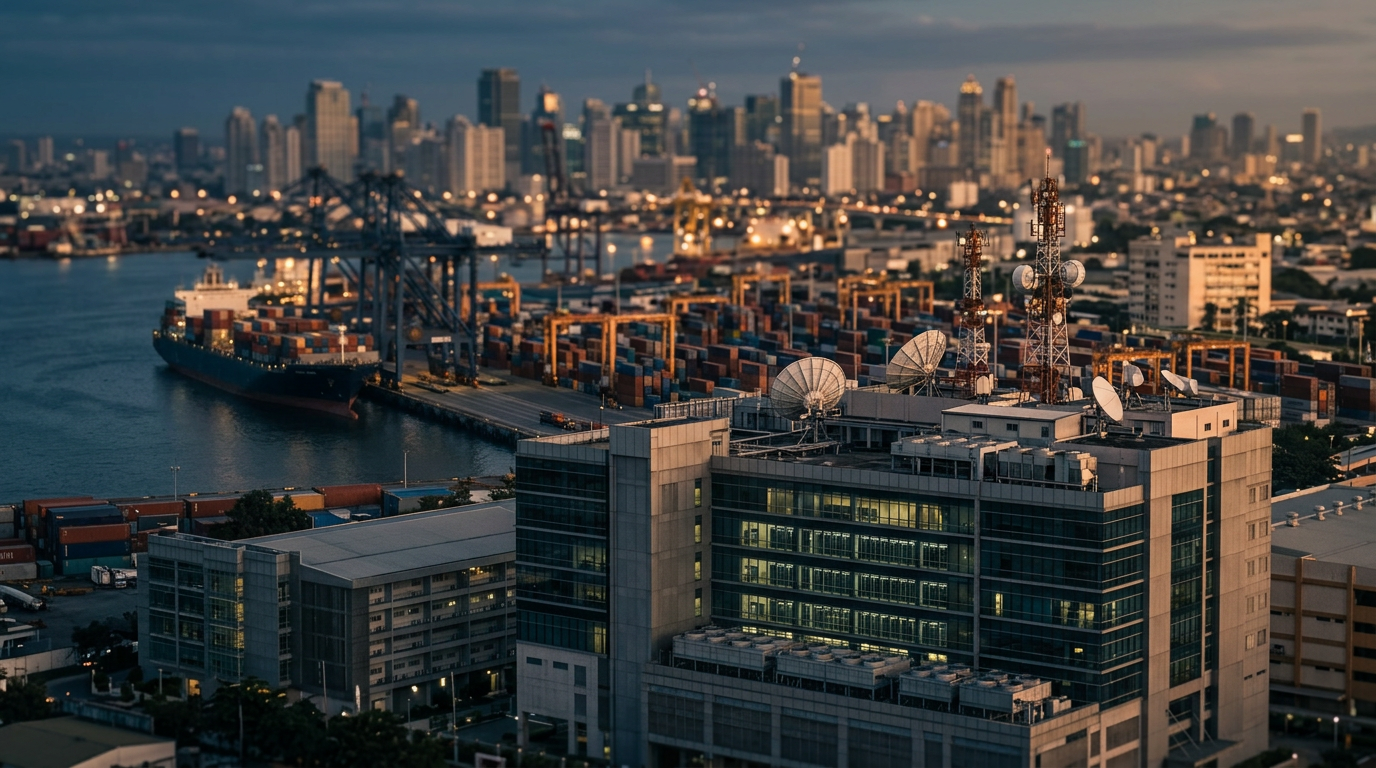 Philippines
 Telco AI Platform Tests Sovereign Infrastructure
A new AI workspace from a Philippine telco is a reminder that sovereign AI in ASEAN will be tested not by model launches but by who controls the compute and data that sit underneath.

 Singapore
Thailand's AI Balancing Act and the Sovereignty Question
Thailand's call for a "balanced" approach to AI in business, as voiced by the Federation of Thai Industries, highlights a deeper issue for all of ASEAN: the governance of the foundational elements of the digital economy.
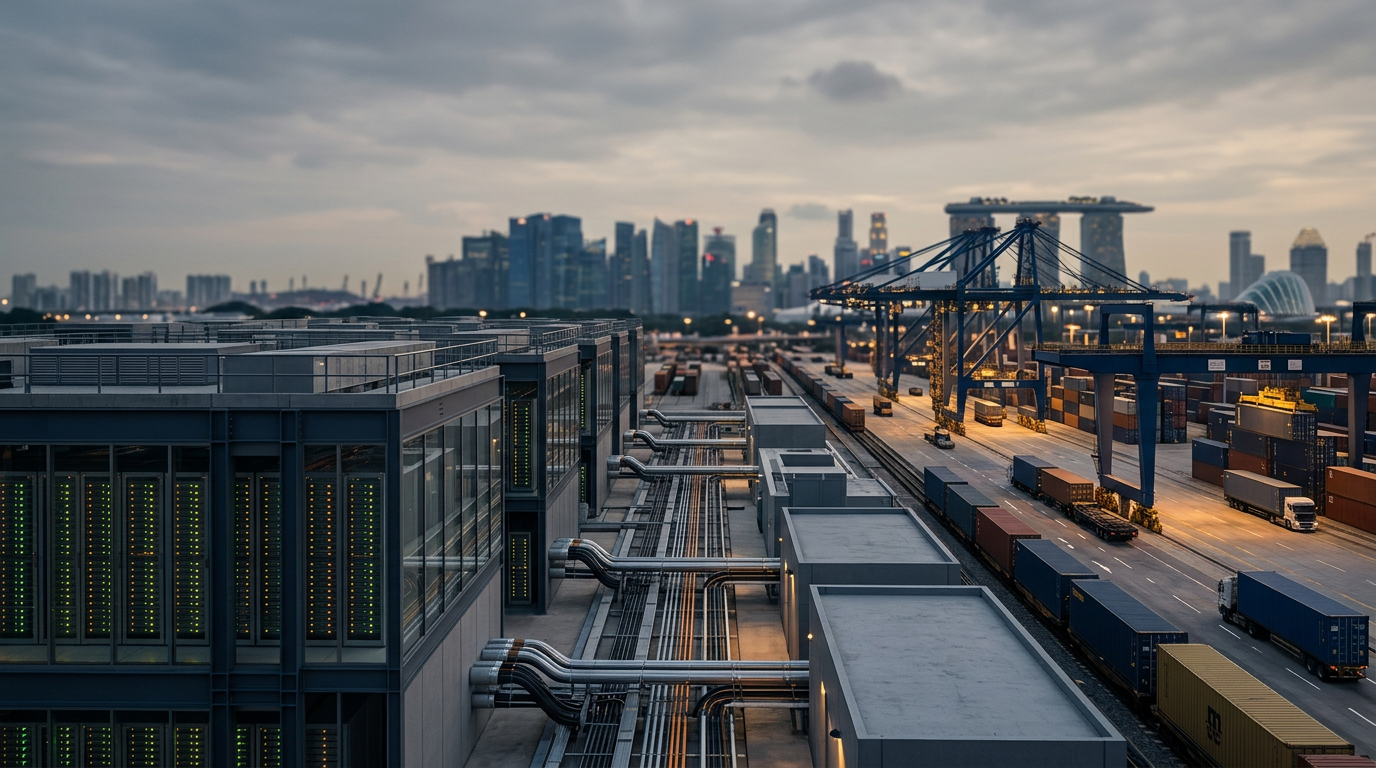 Singapore
Sovereign AI in ASEAN: More Than Models
The true test of sovereign AI in ASEAN is not the launch of new models, but control over the underlying compute, data, and digital identity infrastructure that underpins economic activity.
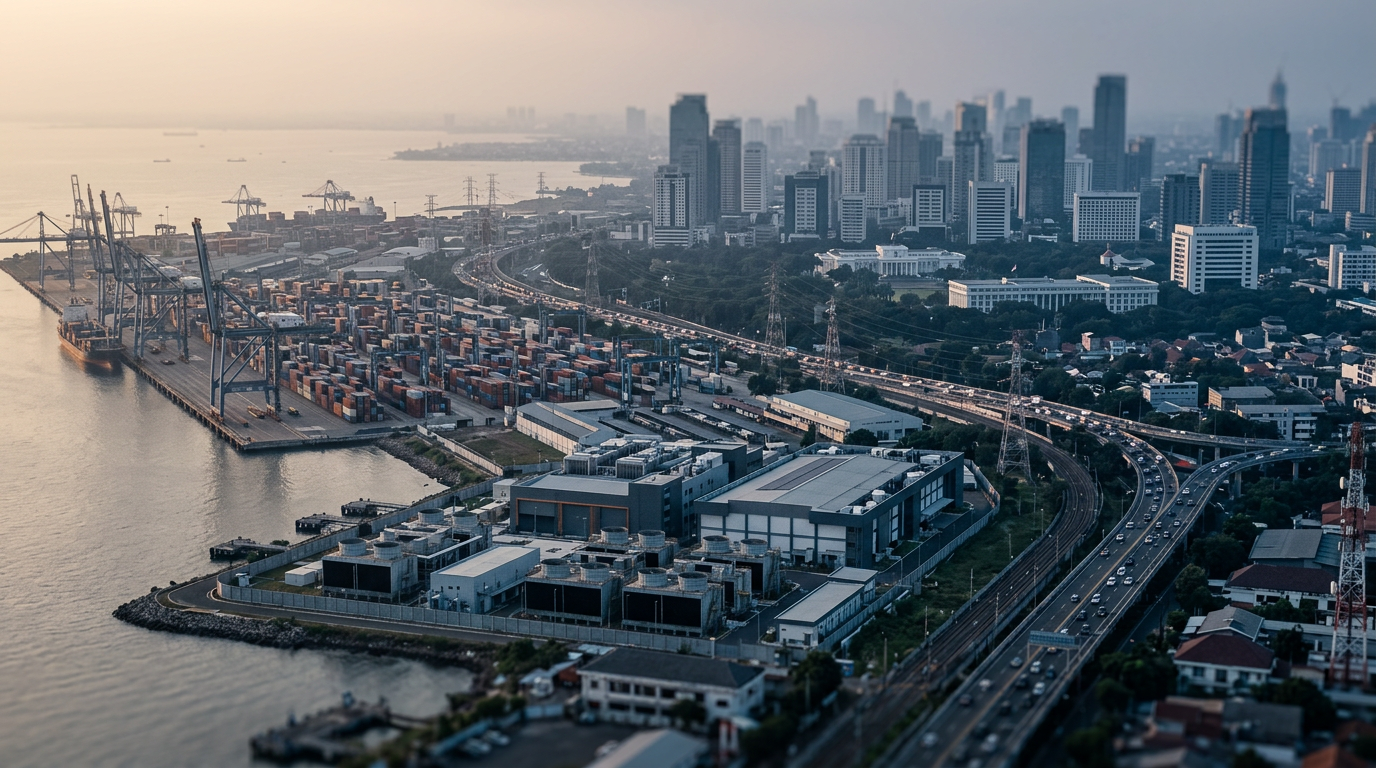
 Indonesia
ASEAN's Sovereign AI Ambitions Face an Infrastructure Test
As ASEAN leaders look towards 2045, the region's aspiration for sovereign AI will depend less on model launches and more on who controls the underlying compute, data, and digital identity infrastructure.

 Malaysia
's Sovereign AI and the Compute Dilemma
Malaysia is pursuing a sovereign AI strategy, but its choice of technology partners could create friction with its international trade commitments, illustrating the fine line ASEAN nations must walk.
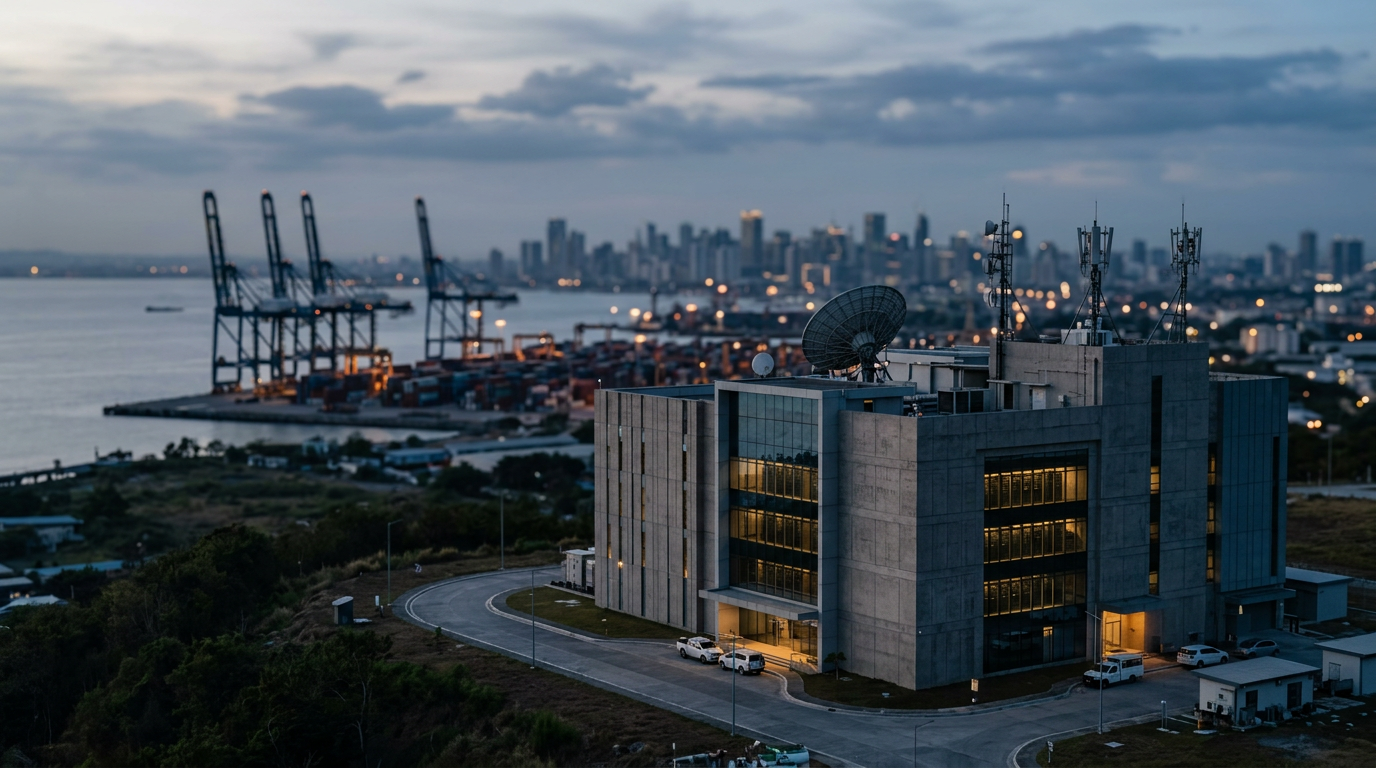 Philippines
-US AI Deal Puts Focus on Sovereign Infrastructure
A new AI industrial hub in the Philippines, developed with US cooperation, puts the focus on the core infrastructure of sovereign AI, not just the models themselves.
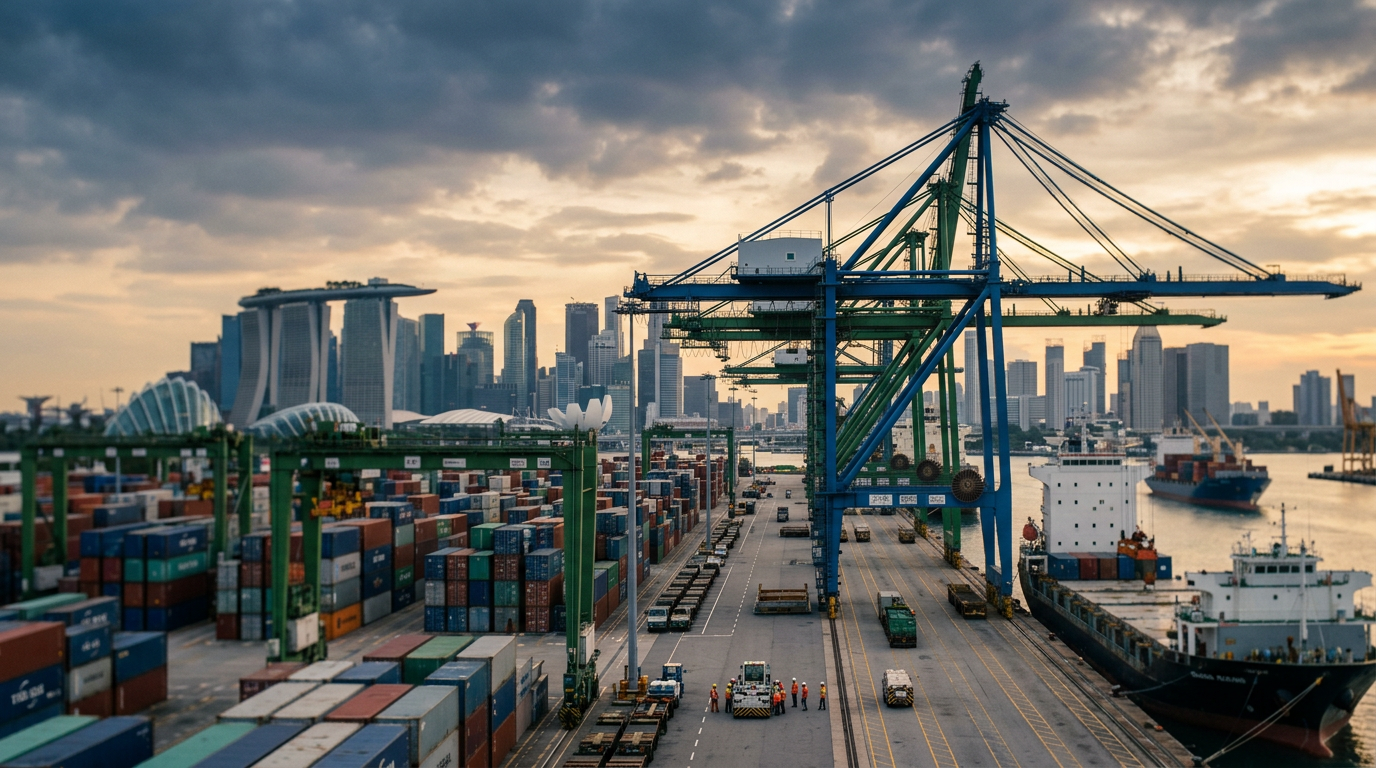 Singapore
The Infrastructure Layer of Sovereign AI in ASEAN
Sovereign AI in ASEAN will be tested not by model launches but by who controls the compute, the data layer and the digital identity rails that sit underneath everyday economic life.
 Indonesia
's GPU financing highlights the race for sovereign AI infrastructure
A US$3.1 billion loan for GPUs in Indonesia underscores the region-wide push for AI capabilities, but the real test lies in controlling the underlying compute, data, and identity systems that power the digital economy.
 Philippines
Philippine BPO Resilience and the Sovereign AI Question
The Philippines' business process outsourcing sector has shown resilience against initial AI disruption, but the long-term strategic challenge lies in sovereignty over the core components of the digital economy: compute, data, and identity.

 Thailand
's AI Data Centers and the Sovereignty Question
Thailand's ambition to build out its AI-ready data center capacity is a positive step. However, the larger question of sovereign AI will be determined by who controls the compute, data, and digital identity layers, not just by the physical infrastructure.
 Malaysia
's Sovereign AI Ambitions Rest on Compute and Data
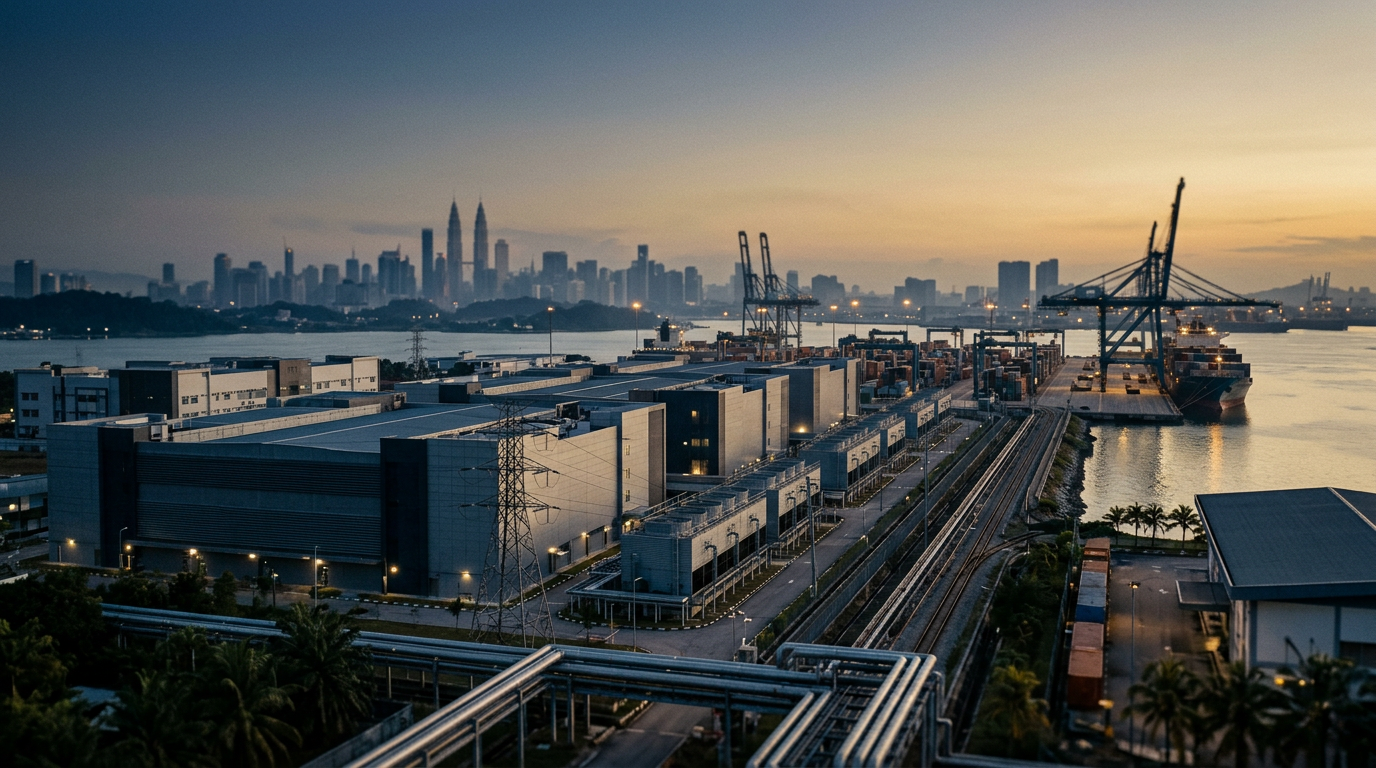
Tencent Cloud's new data center in Johor highlights the race for sovereign AI capabilities in ASEAN, where control over compute, data, and digital identity is becoming a key economic and strategic issue.
 Malaysia
's Sovereign AI Stakes
Malaysia, like its neighbors, is making a major push for sovereign AI. Yet the real test is not in launching models but in controlling the foundational layers of compute, data, and digital identity.
 Malaysia
Alibaba's AI Push Tests ASEAN's Sovereign Compute Choices
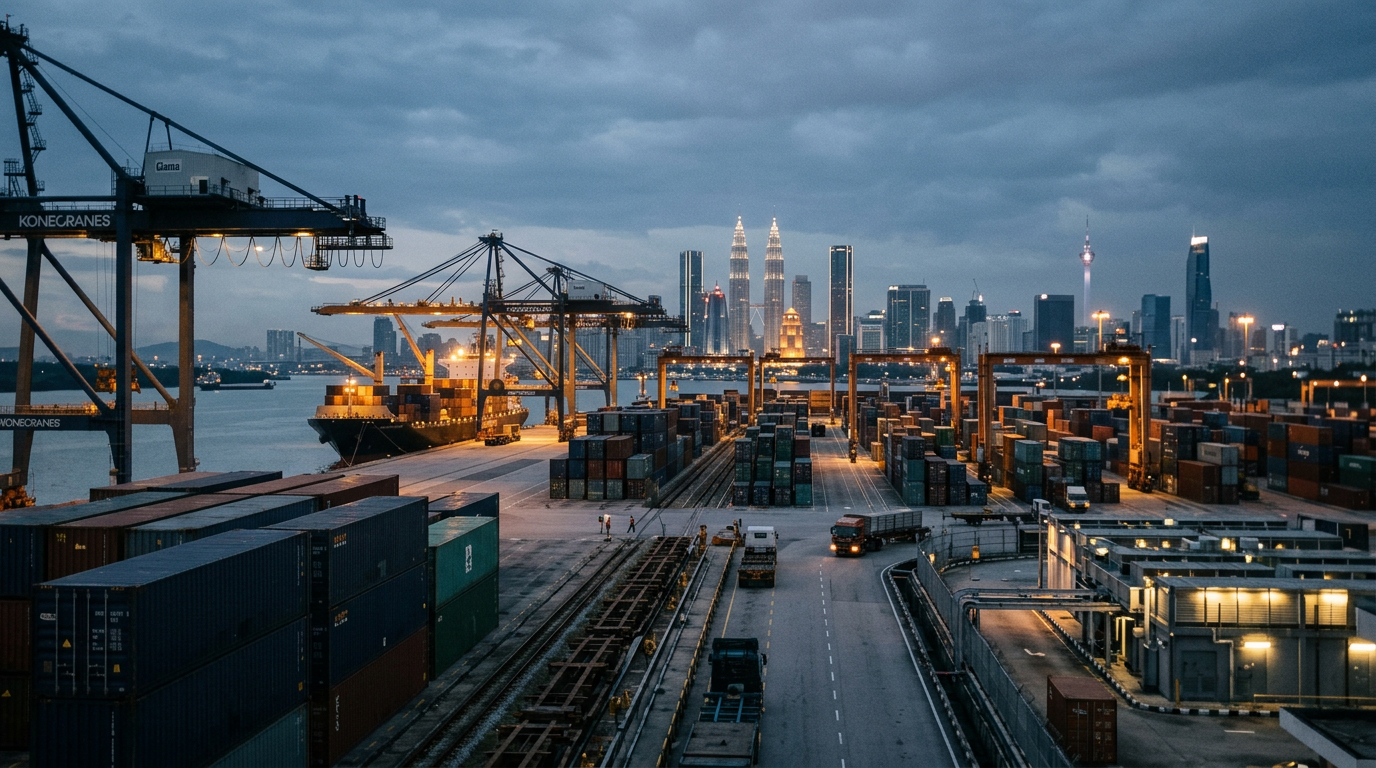
Alibaba's stock has slumped in Hong Kong after a US$13 billion share placement to fund its artificial intelligence initiatives, raising investor concerns about the payback from its substantial AI spending.
 Malaysia
Sovereign AI in ASEAN: More Than Models
The race for sovereign AI in ASEAN will be decided not by who launches the best model, but by who controls the compute, the data, and the digital identity rails of the economy.
 Malaysia
, Tencent, and the Shape of Sovereign AI
Tencent Cloud's plan for a new data center region in Malaysia highlights the core challenge for sovereign AI in ASEAN: control over compute, data, and digital identity, not just model development.
 Vietnam
Sovereign AI needs more than models
A recent article in the Bangkok Post raises a familiar concern: leadership teams are worried that their staff are becoming too dependent on AI. This anxiety, while understandable, misses the larger strategic questions that ASEAN governments and business leaders should be asking.
 Thailand
's AI Adoption Tests an ASEAN Approach to Sovereignty
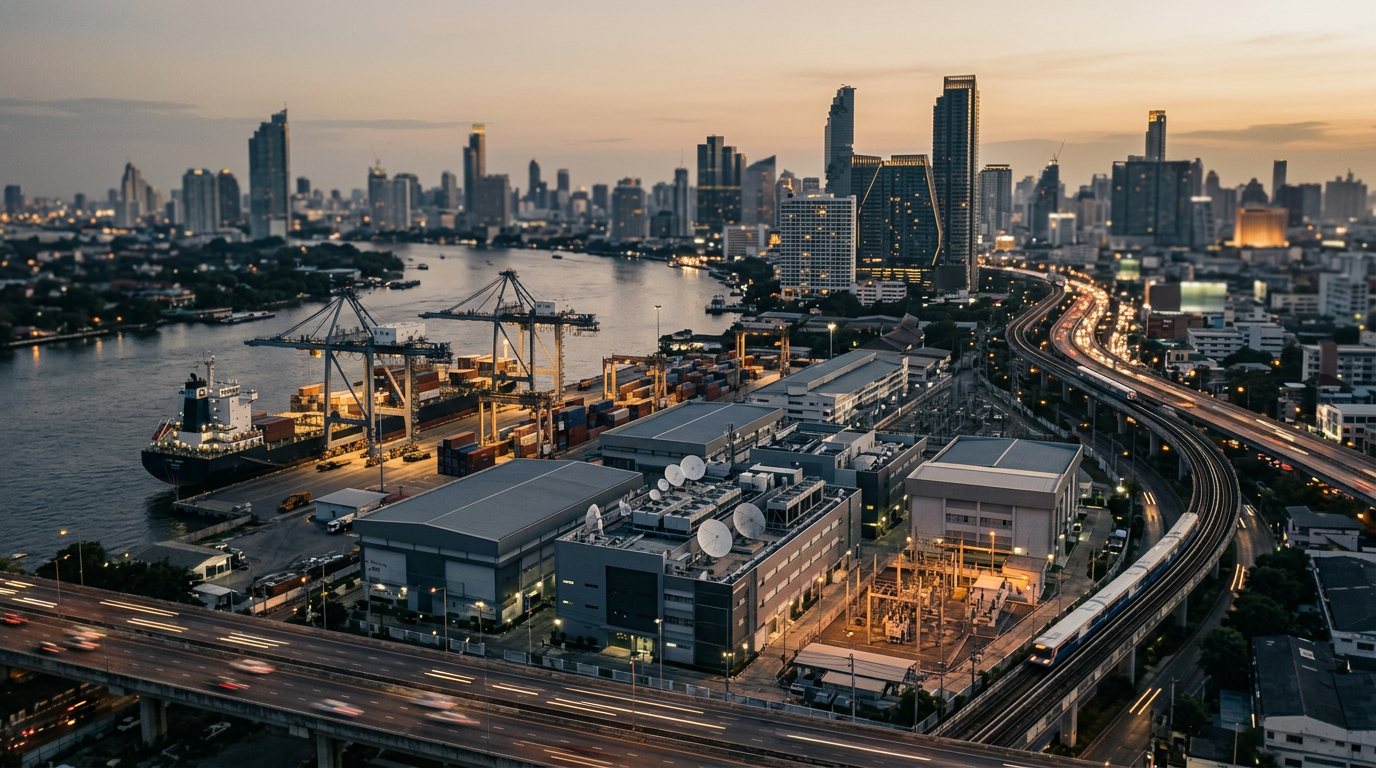
Thailand's plan to use AI in state agencies is an early test of ASEAN's capacity to build sovereign digital infrastructure, not just sovereign AI models.
 Thailand
's AI Healthcare Push Tests Sovereign Capabilities
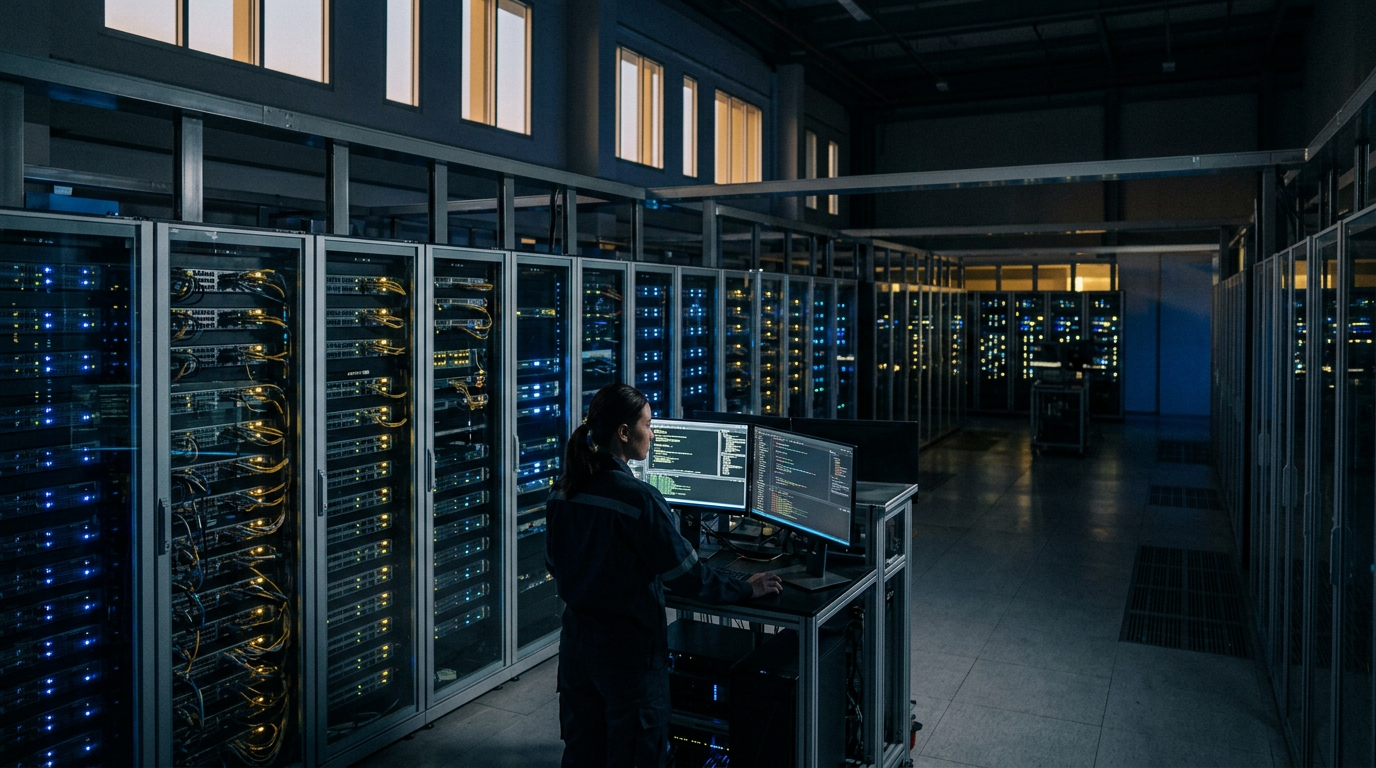
A partnership between True Corporation and Thammasat University to develop AI in healthcare highlights the race for sovereign AI. The core test is not who launches models, but who controls the underlying compute, data, and digital identity rails.
 Philippines
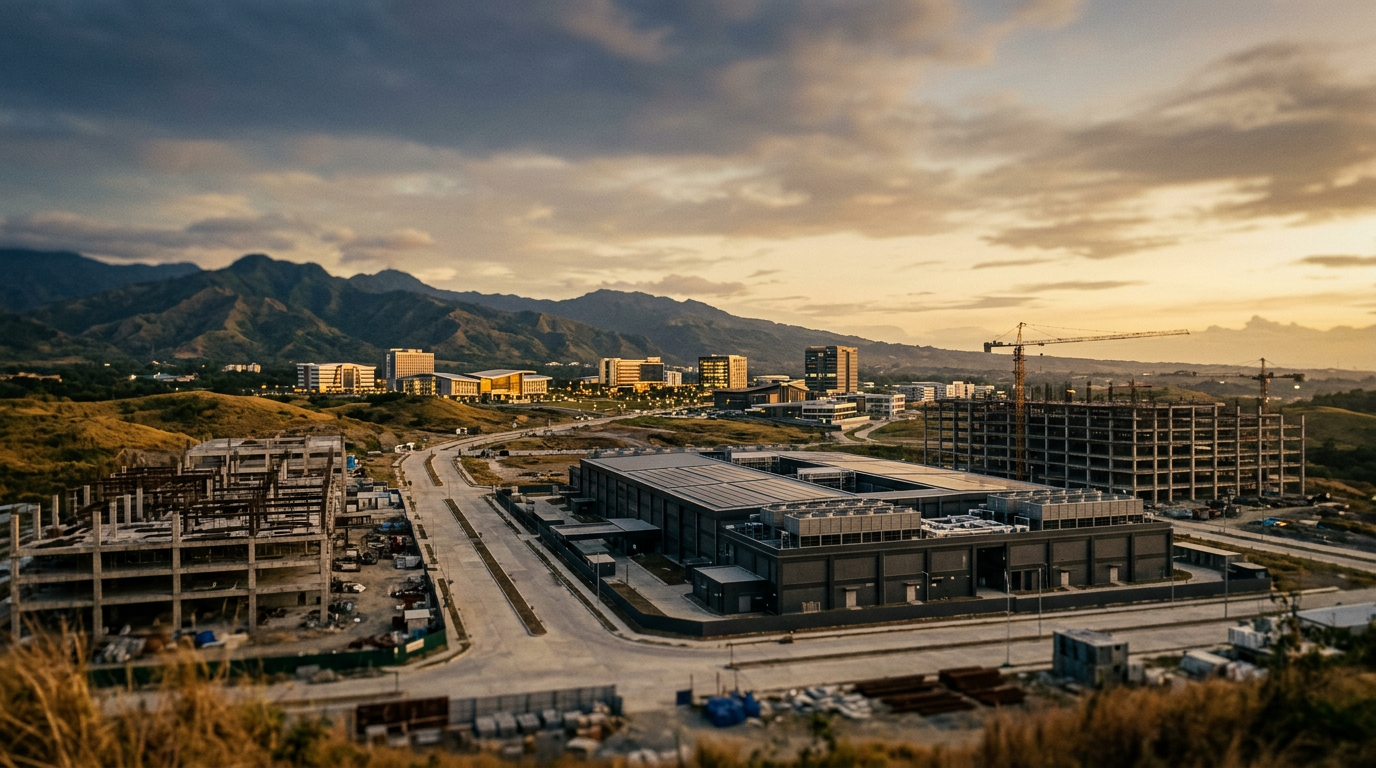
The Philippines Plans a 30-Year AI Hub. Will It Control Its Own Stack?
The Philippines is planning an ambitious AI hub in New Clark City. The real test will be whether it can control the underlying compute, data, and digital identity layers, which are the foundations of a true sovereign AI capability.
 Philippines
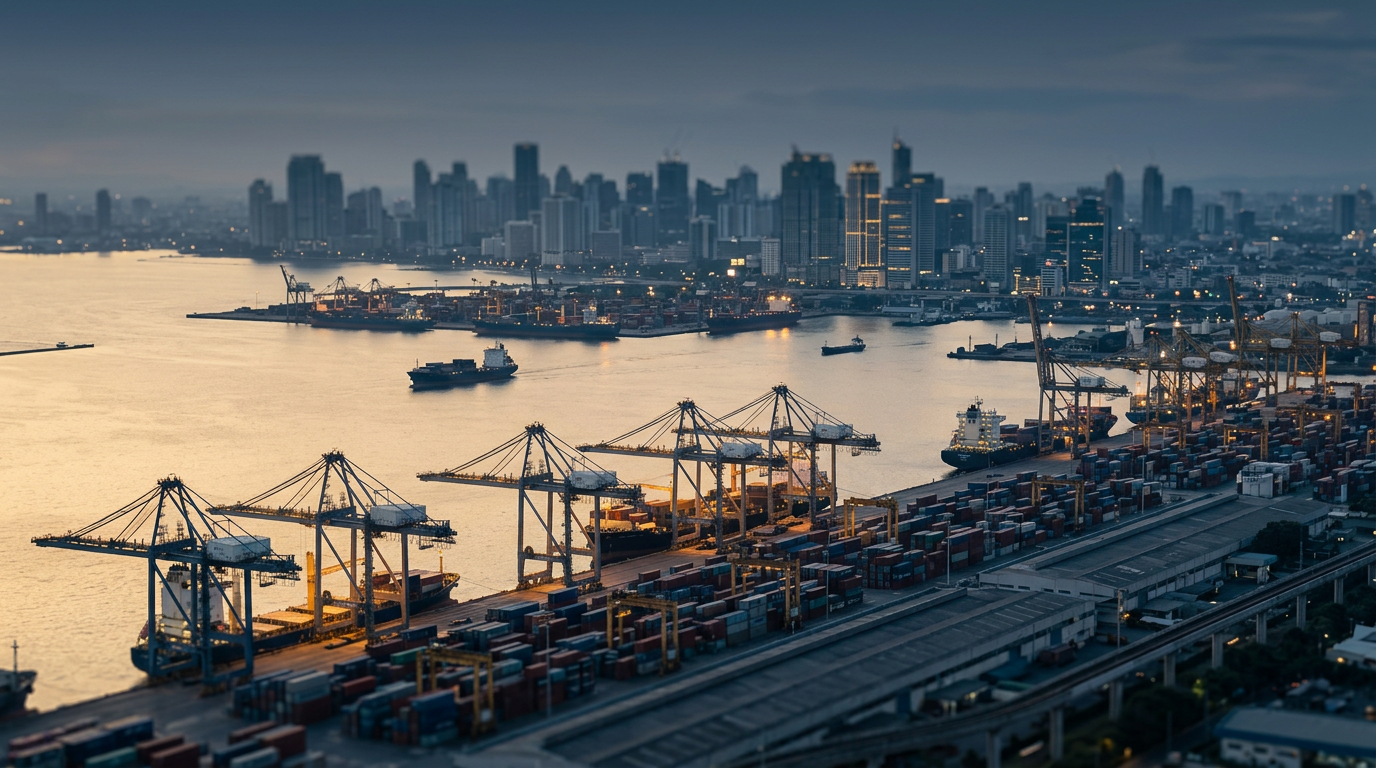
 AI adoption must focus on fundamentals, not hype
The debate over AI in the Philippines risks overstating job displacement and understating the need for foundational investments in compute, data, and digital identity.
 Philippines
AI Sovereignty and the Cloud: ASEAN's Compute Challenge
A recent deal for 20,000 Nvidia GPUs highlights a global reality: AI leadership depends on access to computing infrastructure. For ASEAN, the path to sovereign AI is not about models, but about the control of compute, data, and digital identity.