Philippines
The Philippines Plans a 30-Year AI Hub. Will It Control Its Own Stack?
The Philippines is planning an ambitious AI hub in New Clark City. The real test will be whether it can control the underlying compute, data, and digital identity layers, which are the foundations of a true sovereign AI capability.
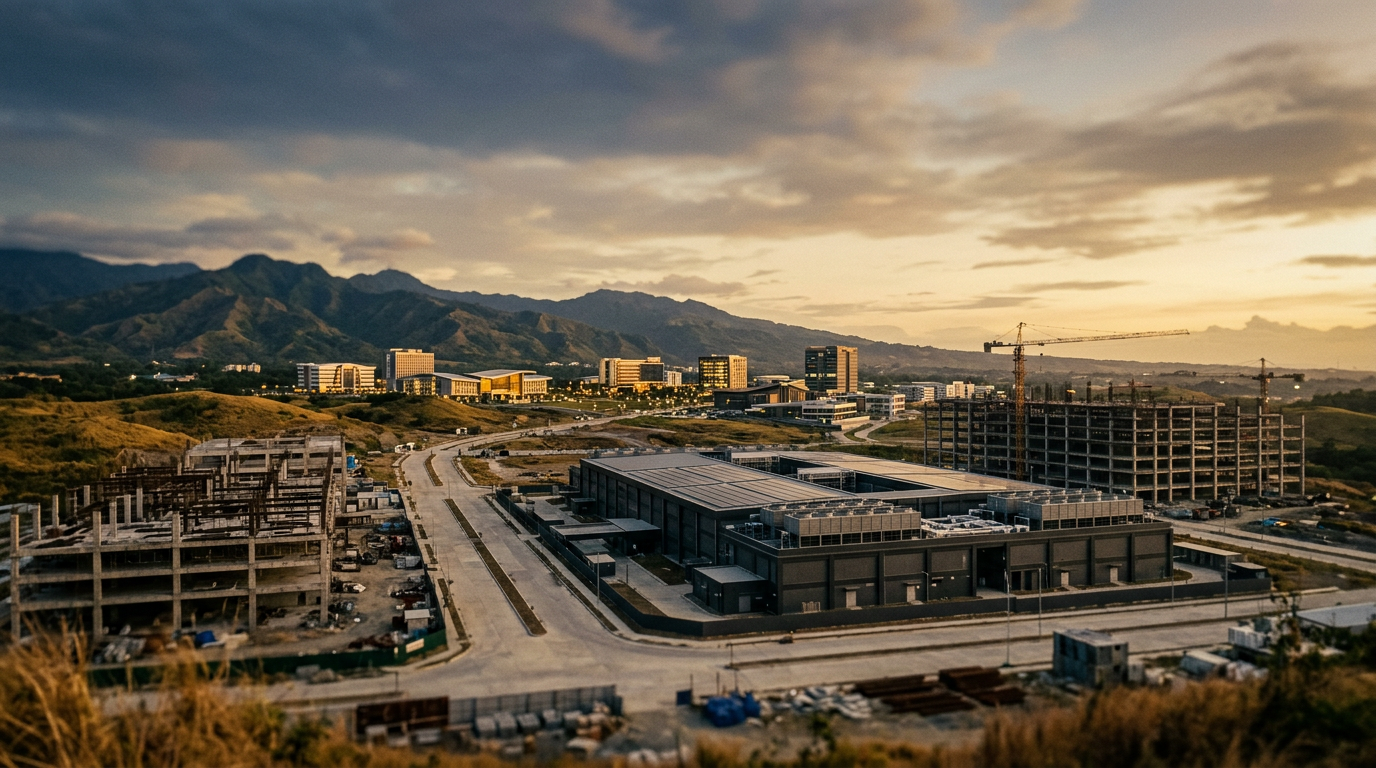
The Bases Conversion and Development Authority (BCDA) in the Philippines has announced a 30-year development plan for its Pax Silica artificial intelligence hub, located in New Clark City. According to a report from philstar.com, full development is slated to begin in 2028. This long-range initiative signals a serious commitment to building a domestic AI industry, but it also raises fundamental questions about national digital sovereignty.
The Infrastructure of Sovereignty
A national AI hub is more than a collection of data centers and office parks. For the Philippines to build a truly sovereign AI capability through Pax Silica, it must focus on the foundational layers of the technology stack. As the book "ASEAN Rising" notes, the true measure of sovereign AI is not the launch of new models but "who controls the compute, the data layer and the digital identity rails that sit underneath everyday economic life."
The BCDA's plan must therefore extend beyond the physical infrastructure. Securing access to and control over high-performance computing resources is the first step. This could involve partnerships with global chipmakers, investment in local fabrication capabilities, or strategic alliances with other ASEAN nations to pool resources. Without control over the compute layer, any national AI initiative remains dependent on foreign providers, limiting its autonomy.
Data and Digital Identity
Beyond hardware, the data layer is a core component of sovereign AI. The development of Pax Silica must be paired with a robust national data strategy. This involves establishing clear governance for data collection, storage, and access, particularly for the large datasets required to train effective AI models. The Philippines needs to ensure that the data generated within its borders can be used to develop models that serve its specific economic and social needs, rather than simply being extracted for use elsewhere.
This connects directly to the concept of digital identity. A sovereign digital ID system is the rail upon which a modern digital economy runs. It allows for secure and verifiable transactions, access to government services, and the creation of personalized economic tools for citizens. By integrating a national digital identity framework with the AI systems developed at Pax Silica, the Philippines can build a digital economy that is both innovative and self-determined.
From Plan to Execution
The 30-year timeline for Pax Silica provides ample time for planning, but execution will depend on sustained institutional focus and significant capital investment. The project's success will require close collaboration between the BCDA, other government agencies, the private sector, and the academe. Attracting and retaining the necessary talent to build and operate these complex systems will be a continuous task.
This long-term vision is a notable step for the Philippines. It shows an understanding that building a digital economy requires more than just importing technology. The real work lies in building the institutional capacity and technical infrastructure to manage the core components of the AI stack.
What to watch: Observers should monitor the specific commitments made by the Philippine government and its private sector partners regarding investment in compute infrastructure, the formulation of a national data governance framework, and progress on the development of a secure, interoperable digital identity system. The initial phases of development, set to start in 2028, will indicate how effectively the plan is translating into concrete action and whether the focus remains on building true sovereign control over the nation's digital future.