Malaysia
Malaysia's Sovereign AI Ambitions Rest on Compute and Data
Tencent Cloud's new data center in Johor highlights the race for sovereign AI capabilities in ASEAN, where control over compute, data, and digital identity is becoming a key economic and strategic issue.

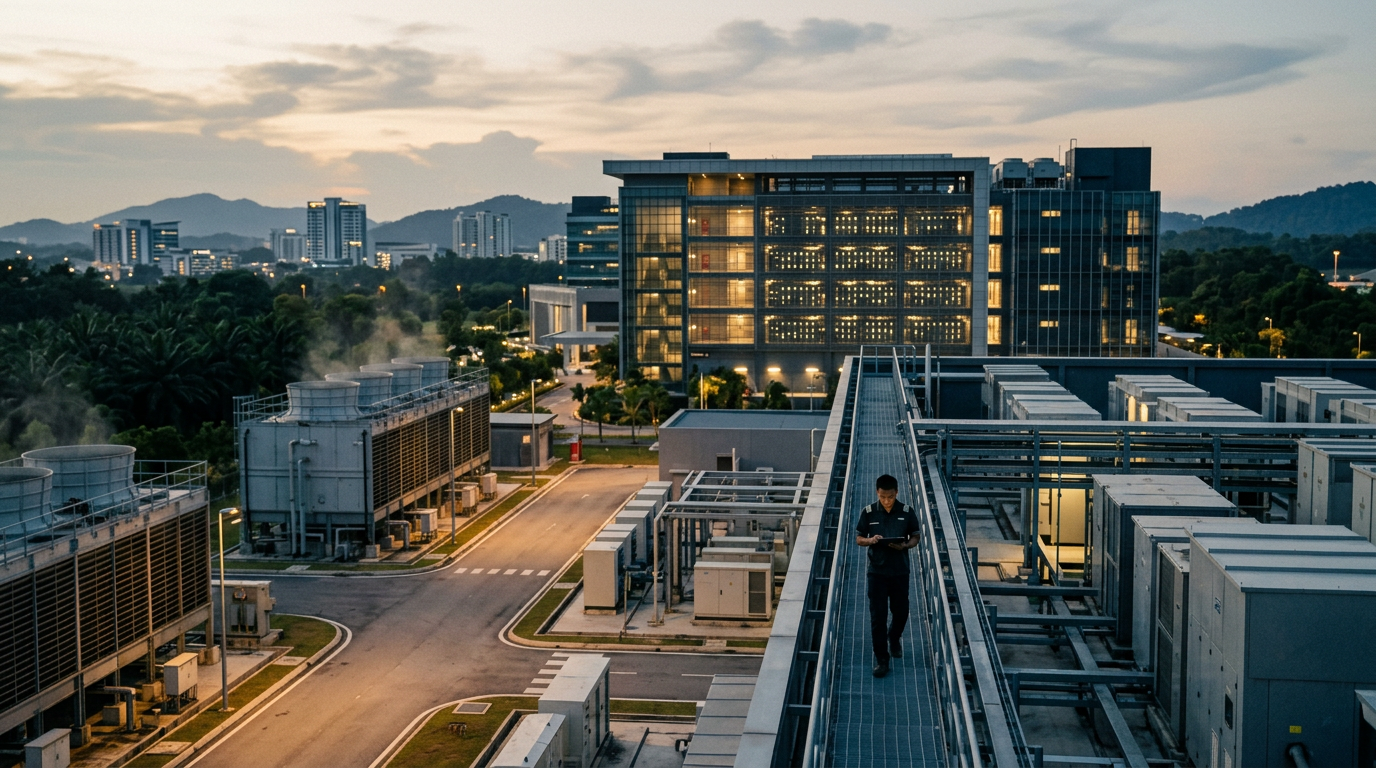
Tencent Cloud's establishment of a new data center region in Malaysia, as reported by vir.com.vn, provides a concrete example of the infrastructure buildout shaping Southeast Asia's digital future. The facility, which includes three availability zones in Johor, is a significant expansion of the cloud and artificial intelligence capacity available in the country. This move by a major international technology firm underscores the growing demand for data processing and the foundational elements of the digital economy across ASEAN.
The Infrastructure of Sovereignty
The development in Johor is about more than just data storage; it is about the underlying structure of national digital capability. As countries across ASEAN seek to develop their own AI strategies, they are confronted with the reality that true sovereignty in the digital sphere is built on tangible assets. This includes the computational power to train and run AI models and the data centers that house the vast amounts of information required to make them effective. Foreign investment in this infrastructure is welcome and necessary, but it also raises questions about data governance and long-term control. The new Tencent Cloud region brings high-performance computing closer to Malaysian businesses and consumers, reducing latency and potentially lowering costs. However, it also means that a significant piece of the country's AI ecosystem will be operated by a foreign entity, a common trade-off in the region.
Data, Identity, and Economic Control
As explored in ASEAN Rising, the ultimate test for sovereign AI in the region extends beyond having access to the latest models. The book argues that the core issues are "who controls the compute, the data layer and the digital identity rails that sit underneath everyday economic life." The new data centers are a direct play for the compute layer. The next phase of competition will focus on the data that flows through this infrastructure and the digital identity systems that verify users and transactions. Malaysia, like its neighbors, is developing its own national digital identity programs. The success of these programs, and their integration with commercial services running on infrastructure like that in Johor, will determine the extent to which the nation can direct its digital economy. The ability to analyze domestic data within national borders is a strategic advantage, allowing for the development of AI tools tailored to local languages, markets, and societal needs.
A Regional Pattern
Malaysia's situation is not unique. Across Southeast Asia, governments are encouraging the construction of data centers to support their digital transformation goals. Singapore has long been the region's primary hub, but high costs and land constraints are pushing investment into neighboring markets like Malaysia and Indonesia. This distribution of infrastructure is creating a more resilient, if more complex, regional network. It also means that the conversation about data sovereignty and the role of international cloud providers is happening in multiple capitals simultaneously. Each ASEAN member state is navigating a path between attracting foreign capital and technology while building its own domestic capabilities and regulatory frameworks to govern the digital domain. The Tencent Cloud investment is one more data point in this ongoing regional story of digital development.
What to watch
Moving forward, the key indicators of Malaysia's sovereign AI progress will not be announcements of new model releases. Instead, attention should be paid to the development of national policies on data residency and cross-border data flows. Observers should also track the adoption and integration of the national digital identity system with key economic sectors. The degree to which Malaysian firms can leverage the new cloud infrastructure to create proprietary AI applications will be the most meaningful measure of success.