
ASEAN Analysis & Commentary
Every analysis published on ASEAN Rising is sourced, datestamped and signed. We're more interested in being right in 12 months than first in 12 minutes.
Foundation pieces
Start here. The three pieces below set out the lens ASEAN Rising uses to read every story.
ASEAN Rising's core lens. Execution Economics is the study of whether countries, companies and institutions can convert obvious potential into delivered outcomes - and which six pillars decide the answer.
The region has capital, demographics, location and policy ambition. None of that has ever been the binding constraint. The next decade is an execution test, not a potential test - and it is already being scored.
Malaysia is the test case for whether ASEAN's middle powers can turn FDI, semiconductors and data centres into compounding domestic capability. Read the live coverage and execution scorecard.
Analysis tagged #institutional capacity

 Brunei
's Economic Diversification and the Semiconductor Test
Brunei's economic diversification plans intersect with the global semiconductor industry, a sector where institutional reliability is a significant competitive advantage.
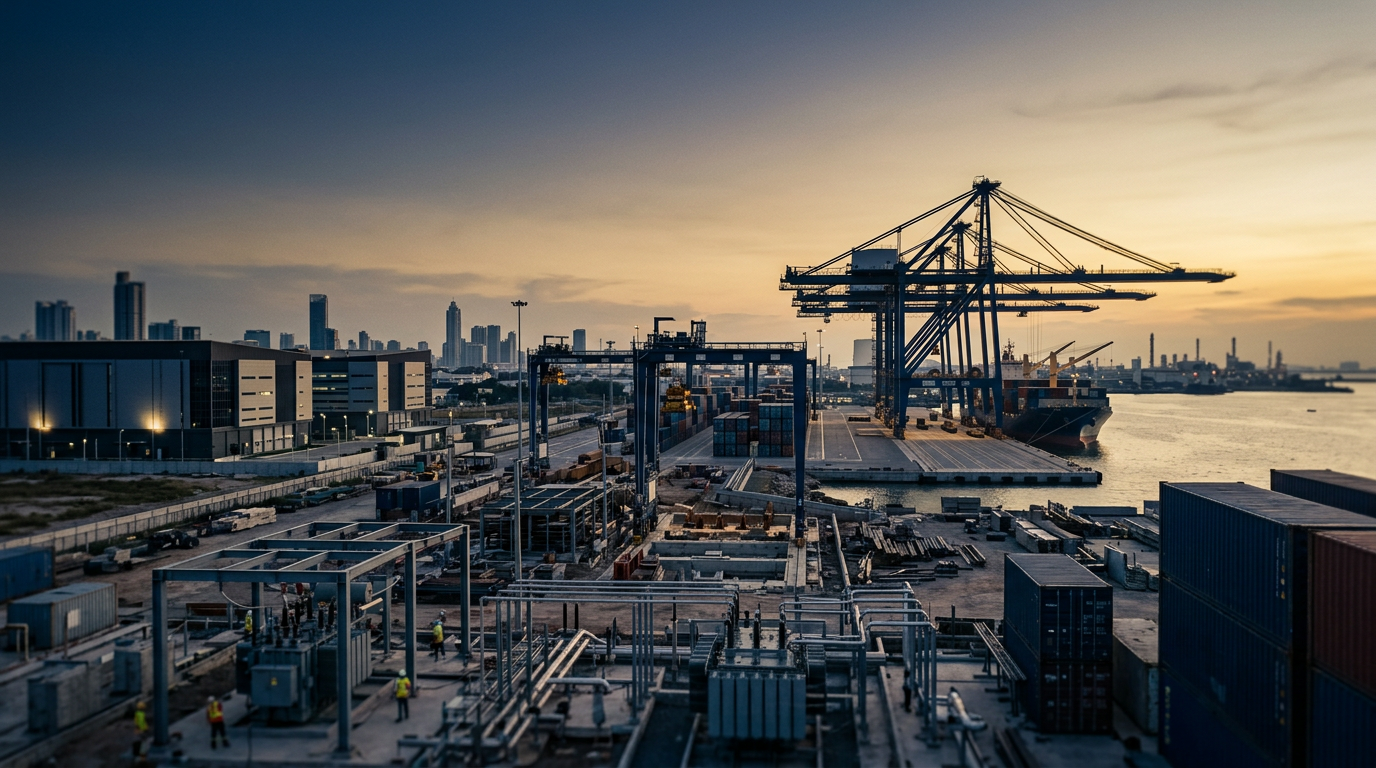
 Thailand
 Bets on Execution to Win FDI Race
FDI announcements travel quickly. Realised flows depend on the slower work of land, permits, power and talent reaching the ground. Can Thailand deliver?
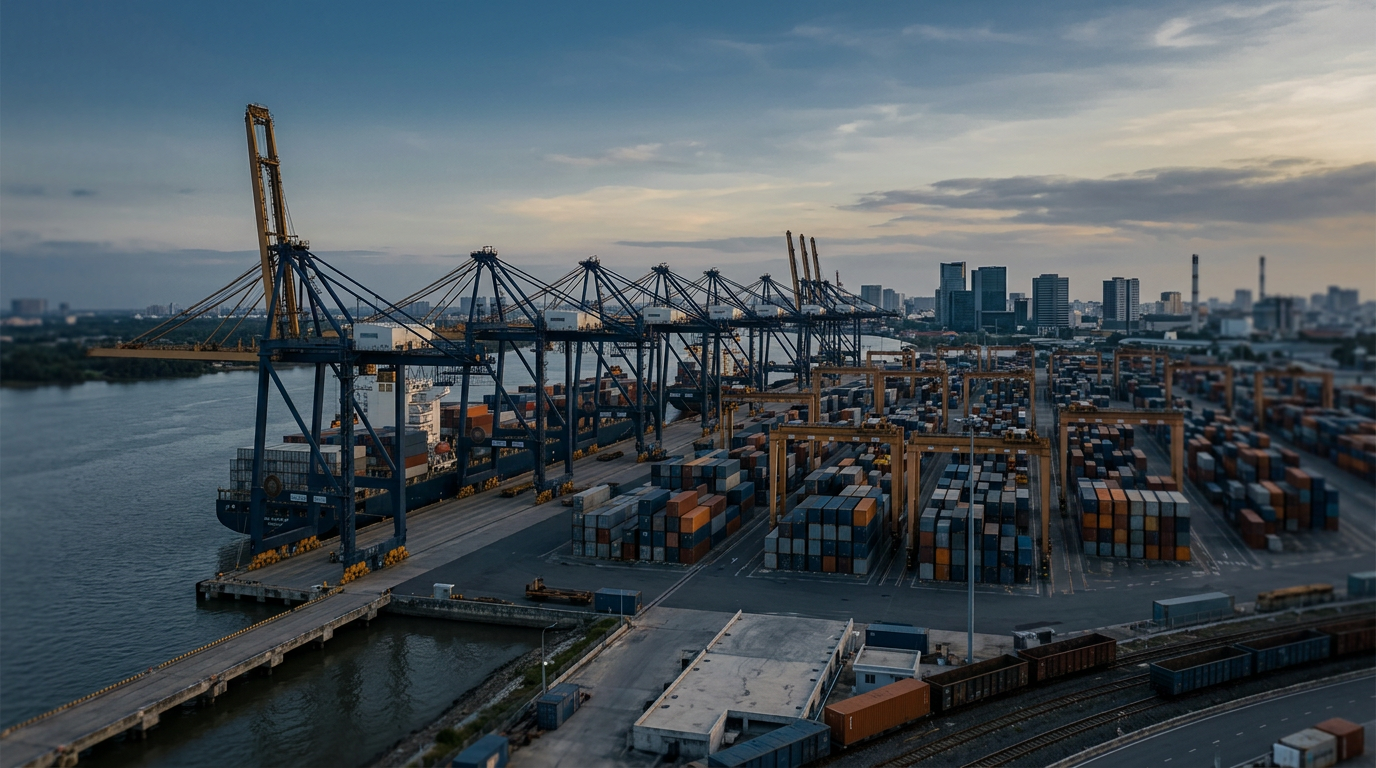
 Vietnam
: From FDI Promises to Realised Flows
A major retail investment announcement highlights the institutional capacity required to convert foreign direct investment interest into tangible assets and lasting economic impact.
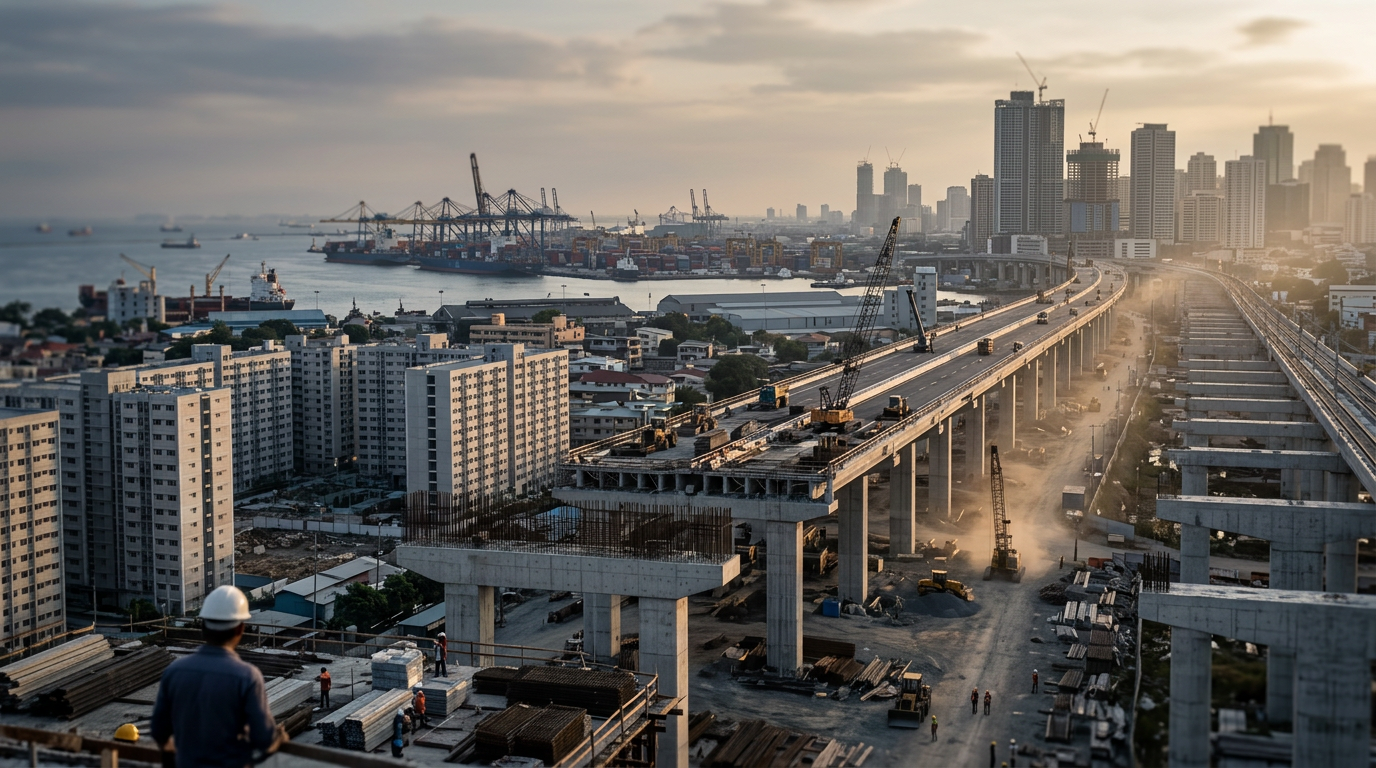
 Philippines
The Philippines' Infrastructure Push: A Litmus Test for State Capacity
The Philippine government's Pambansang Pabahay Para sa Pilipino (4PH) housing program is more than a construction project; it is a test of the state's ability to deliver complex infrastructure on schedule, a key determinant of national comparative advantage in a competitive.
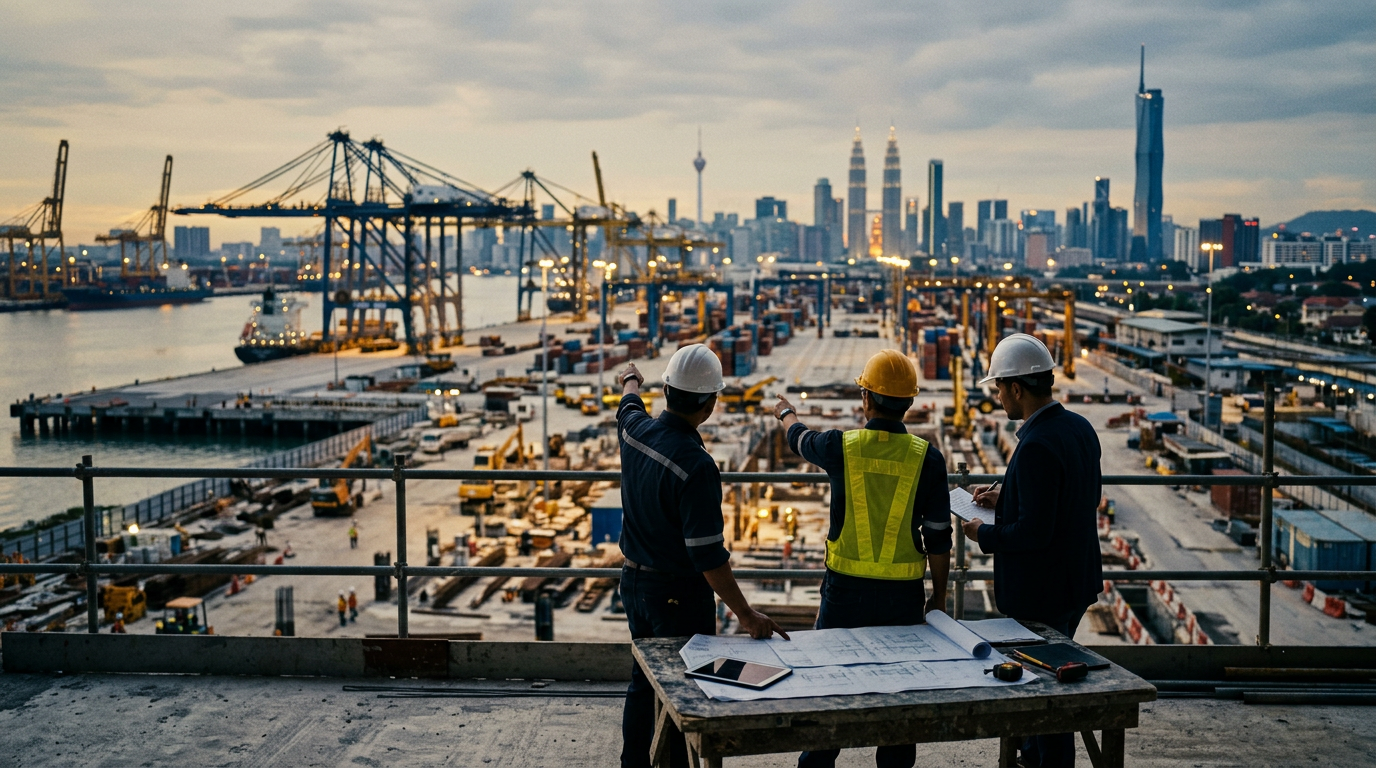
 Malaysia
Beyond the Blueprint: ASEAN, China, and Infrastructure Execution
A recent ministerial meeting between ASEAN and China on construction and housing underscores a fundamental challenge for the region: turning ambitious infrastructure plans into finished projects. The reliability of institutions is becoming as important as the projects themselves.
 Thailand
's E20 Relaunch is a Test of State Capacity
Thailand's plan to remarket Gasohol E20 is not just an energy security measure. It is a practical test of the state's institutional capacity to follow through on its policy commitments, a theme central to building investor and public trust.
 Malaysia
's Rail Development Tests Institutional Capacity
Malaysia's push for transit-oriented development around new rail lines is less about construction and more a measure of state capacity to deliver complex, integrated projects that build public trust.
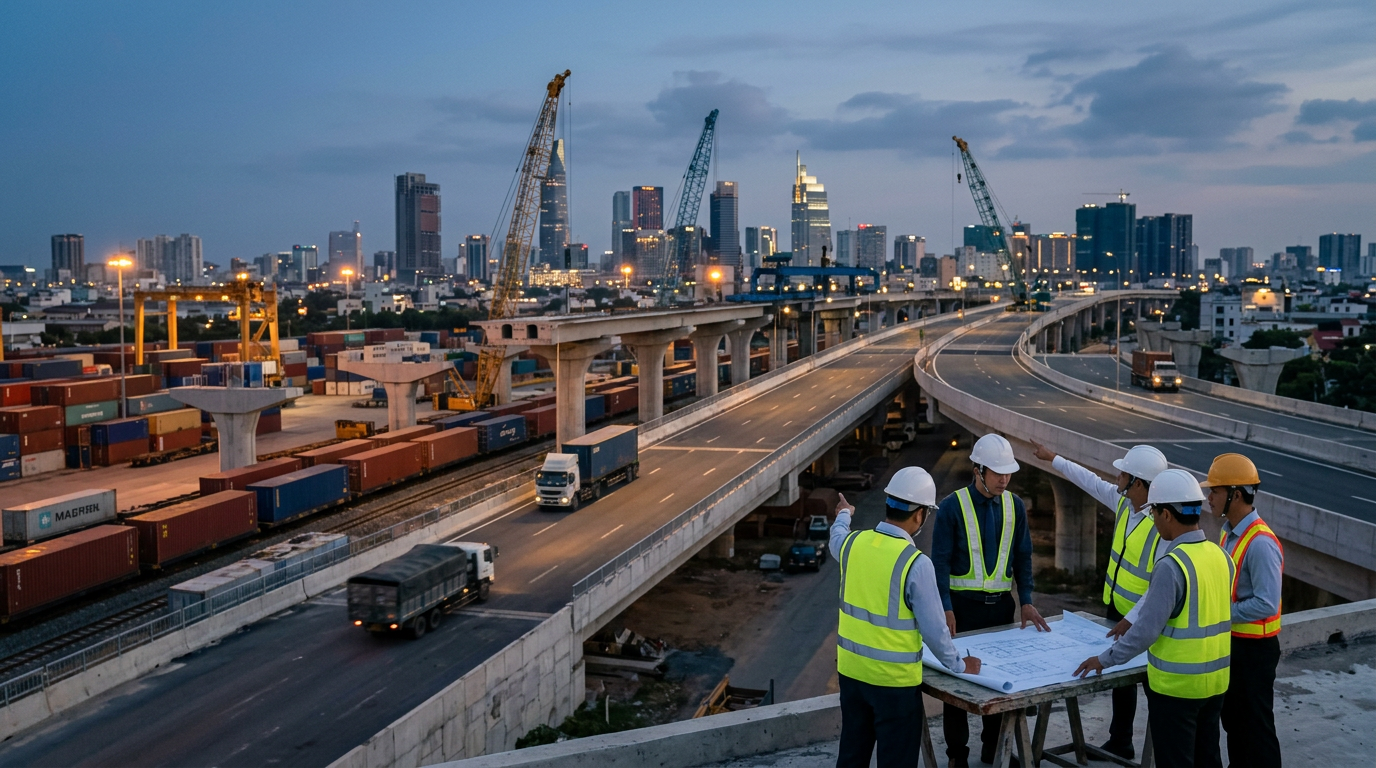 Vietnam
More Than Concrete: Vietnam's Infrastructure Urgency Signals State Capacity
A proposal to fast-track a major expressway expansion in Vietnam highlights a broader regional theme: the growing importance of institutional reliability in delivering critical infrastructure and securing a competitive advantage.