Vietnam
Vietnam: From FDI Promises to Realised Flows
A major retail investment announcement highlights the institutional capacity required to convert foreign direct investment interest into tangible assets and lasting economic impact.
Thai retail giant Central Group is considering a US$1.5 billion investment in Vietnam over the next decade, according to a report from VnExpress. The plan from the Chirathivat family-controlled group signals sustained investor confidence in the country's consumer market. Yet it also brings into focus the deeper institutional work required to translate headline figures into operational realities.
The Allure of Scale
Vietnam's appeal to a retailer like Central Group is clear. A growing population with increasing disposable income presents a large, concentrated market. The country has established itself as a premier destination for foreign direct investment, particularly in manufacturing, which in turn fuels the consumer economy. This demographic and economic scale is a powerful magnet for capital, drawing in firms eager to establish a foothold in one of Southeast Asia's most dynamic consumer stories. The government has actively courted this investment with policies aimed at economic liberalisation and integration into global supply chains. The result is a steady stream of announcements from international firms planning significant capital allocation to the country, reinforcing the narrative of Vietnam as a top-tier investment destination.
Execution and Investable Depth
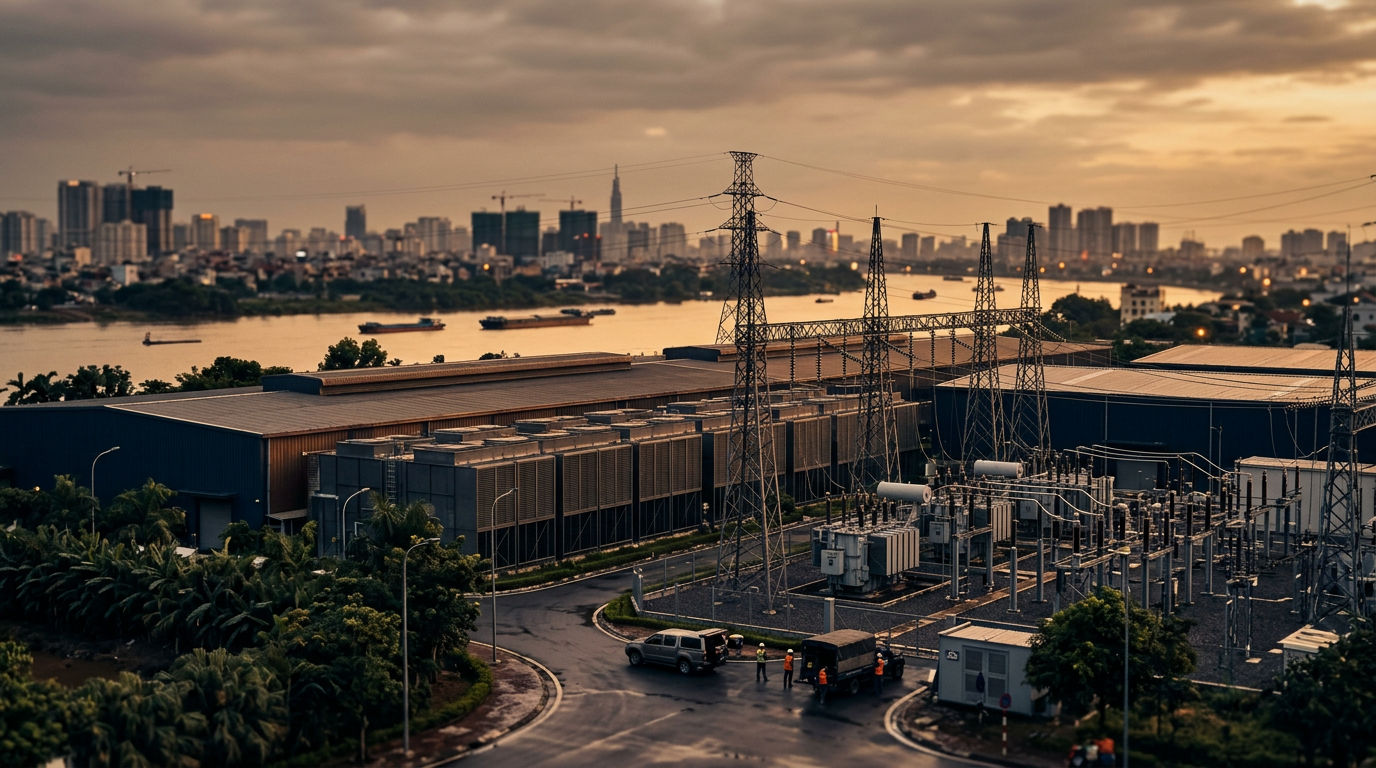
Announcements, however, are only the first step. As the book "ASEAN Rising" notes, the journey from a press release to a network of operational stores is a long one. The book observes that "realised flows depend on the slower work of land, permits, power and talent reaching the ground." Central Group's proposed investment will test the very systems that define Vietnam's investment climate. Securing suitable real estate for retail outlets, navigating the complex web of business and construction permits, ensuring reliable electricity for operations, and hiring and training a skilled workforce are all critical hurdles. The efficiency and transparency of these processes determine how much of a planned $1.5 billion translates into concrete assets and jobs. It is this institutional capacity that turns the promise of scale into what the book calls investable depth.
Infrastructure and Trust
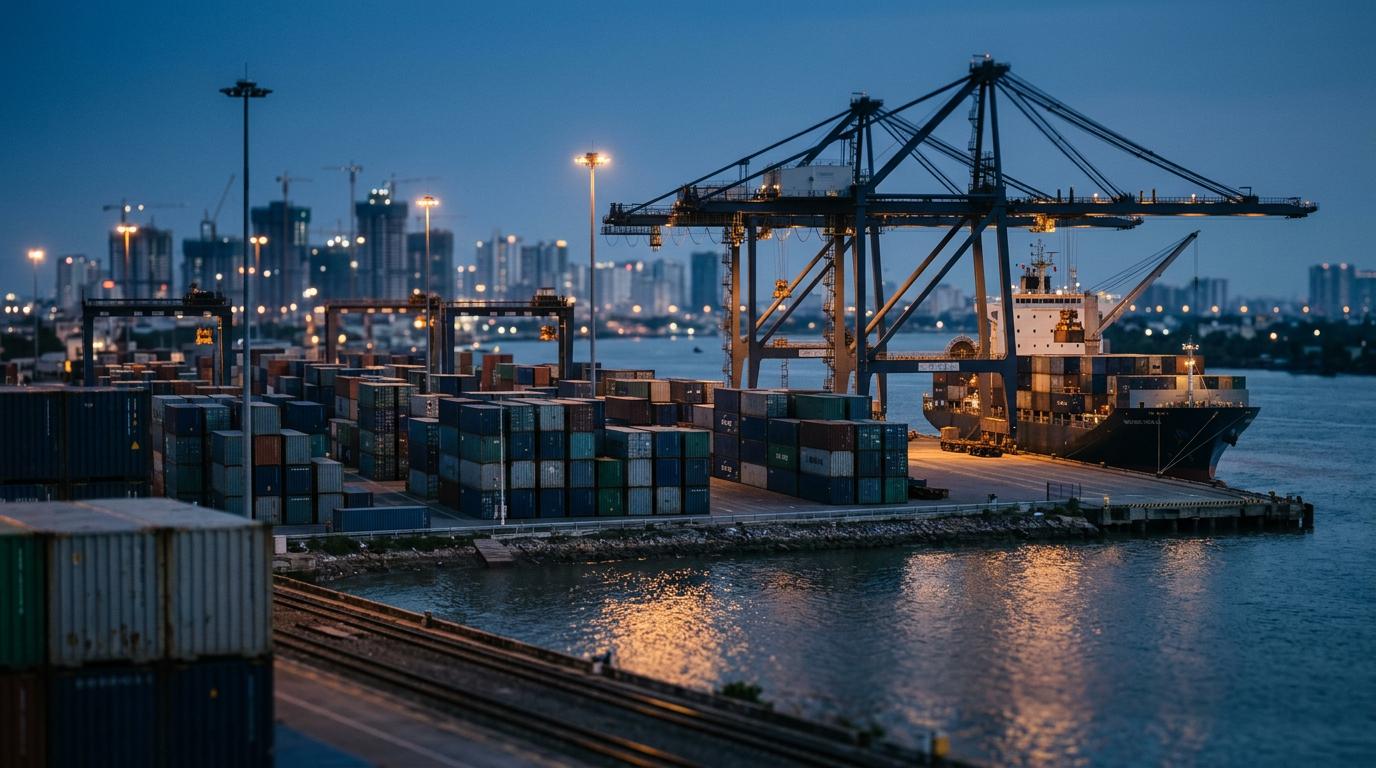
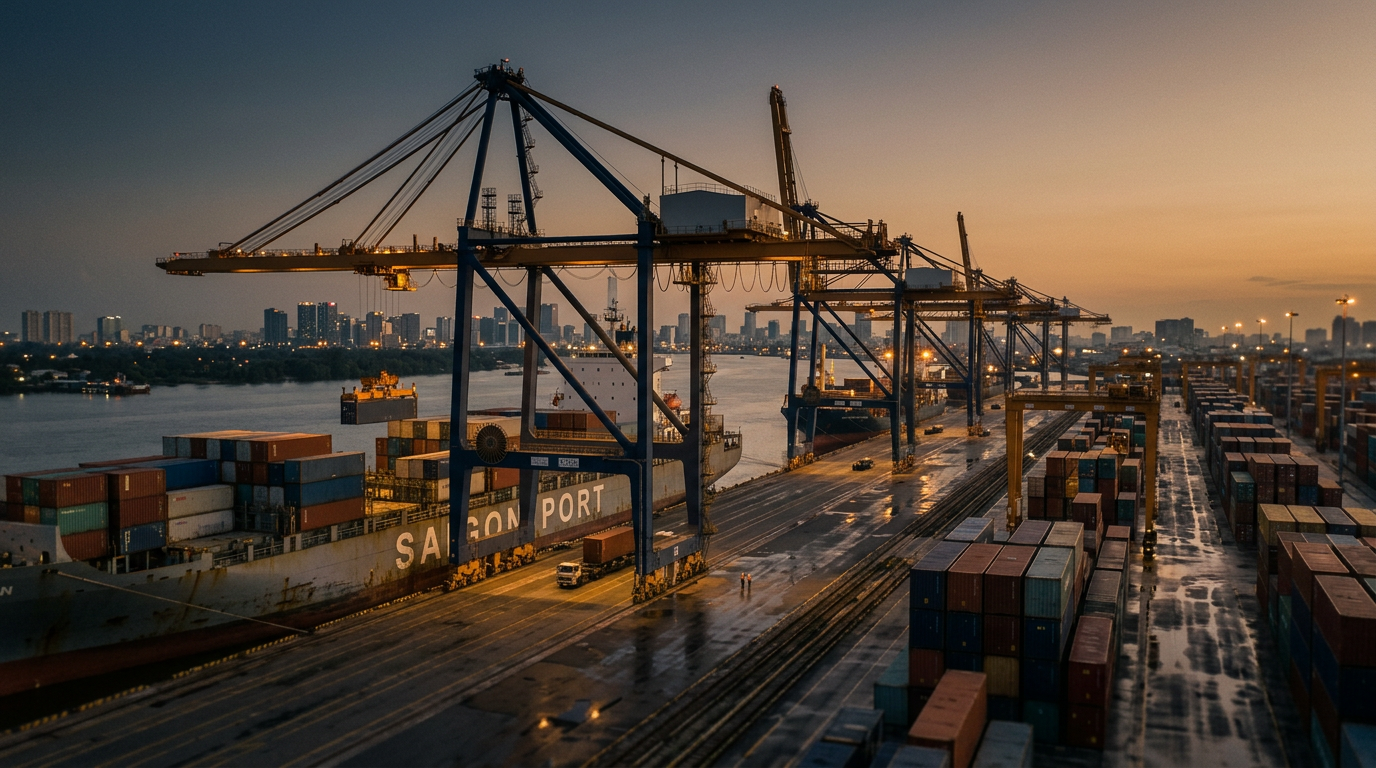
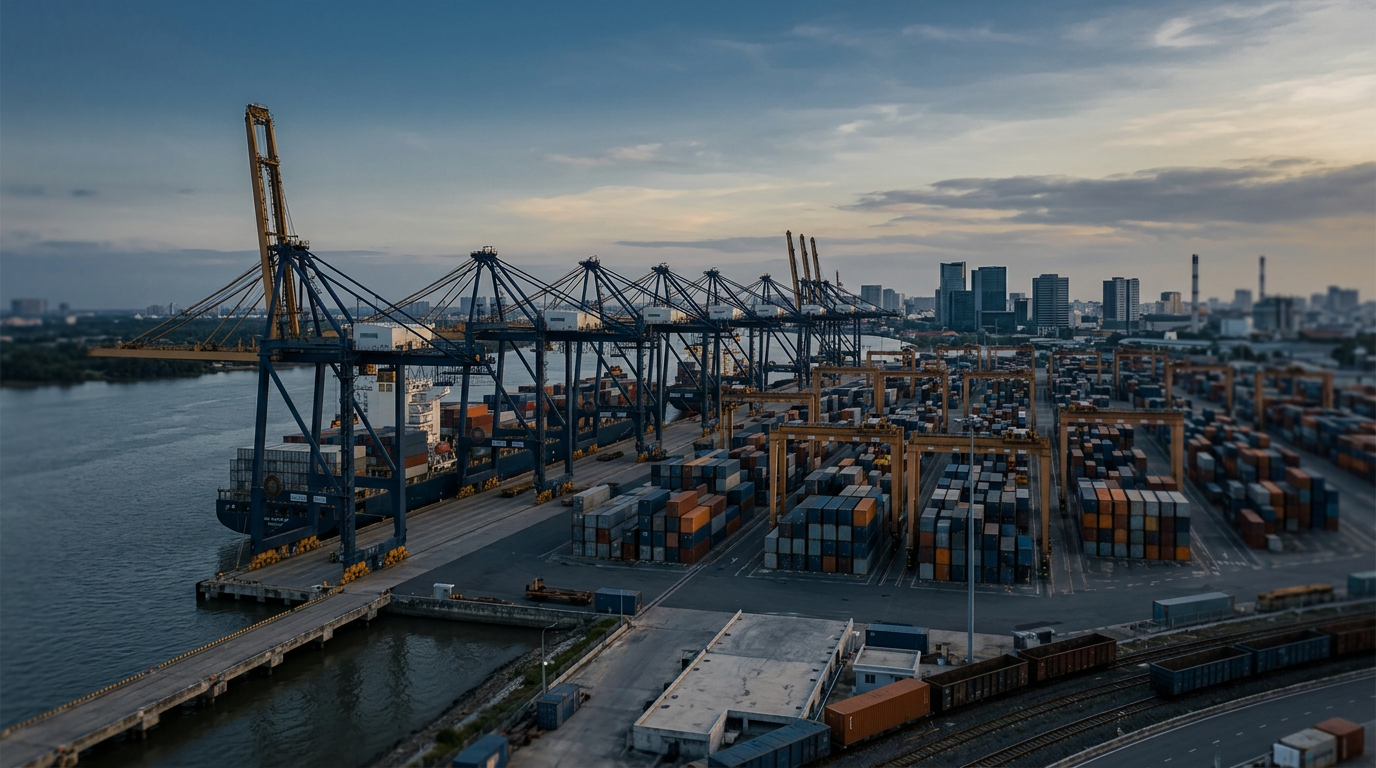
Beyond the immediate needs of a single investment, the broader ecosystem of public infrastructure and institutional trust is paramount. For a retail network, this means modern logistics and transport to move goods from ports and warehouses to stores efficiently. It also relies on a stable and predictable regulatory environment. Investors require confidence that the rules of the game will not change unexpectedly and that they can operate on a level playing field. This trust is built over time through consistent policy execution and a demonstrated commitment to fair governance. As Central Group weighs its long-term commitment, it will be assessing not just the market opportunity but the capacity of Vietnam's institutions to support its growth for the next decade.
What to watch
The progress of Central Group's planned investment will serve as a useful indicator of Vietnam's ability to absorb and operationalise large-scale foreign capital in the consumer sector. Observers should monitor the pace of actual capital deployment against the initial announcement. The key variables will be the speed of regulatory approvals for new stores, the availability of a qualified workforce to staff them, and the development of supporting logistics infrastructure. These factors will ultimately determine the real impact of the investment on Vietnam's economy.