
ASEAN Analysis & Commentary
Every analysis published on ASEAN Rising is sourced, datestamped and signed. We're more interested in being right in 12 months than first in 12 minutes.
Foundation pieces
Start here. The three pieces below set out the lens ASEAN Rising uses to read every story.
ASEAN Rising's core lens. Execution Economics is the study of whether countries, companies and institutions can convert obvious potential into delivered outcomes - and which six pillars decide the answer.
The region has capital, demographics, location and policy ambition. None of that has ever been the binding constraint. The next decade is an execution test, not a potential test - and it is already being scored.
Malaysia is the test case for whether ASEAN's middle powers can turn FDI, semiconductors and data centres into compounding domestic capability. Read the live coverage and execution scorecard.
Analysis tagged #gcc

 Thailand
 sharpens its appeal for Gulf investment
Thailand is working to position itself as a hub for Islamic finance and investment from the Gulf, but success depends on more than high-level agreements.

 Indonesia
From New York to Nusantara: Gulf Capital Meets Indonesian Institutions
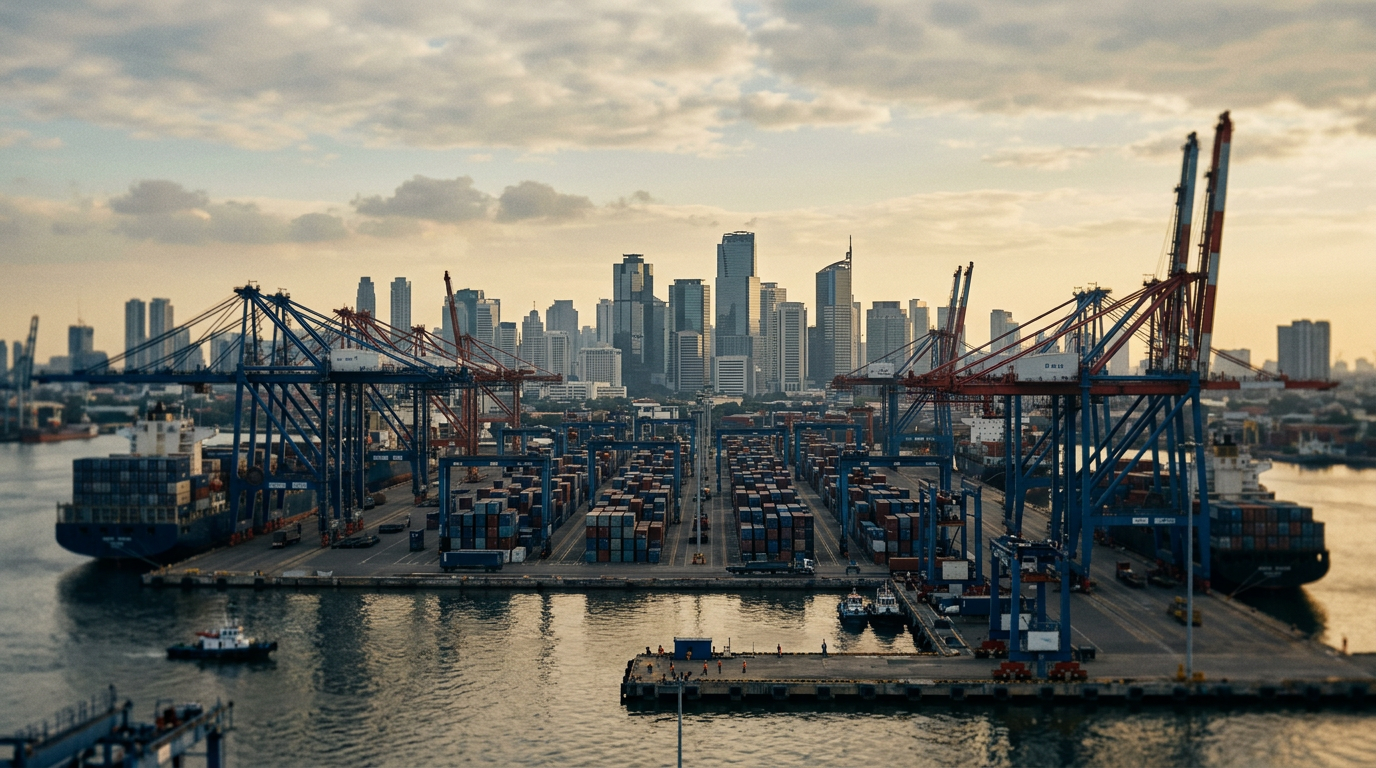
Foreign direct investment from the Gulf is welcome, but Indonesia's institutional capacity to absorb it is the decisive factor. Announcements travel at the speed of news, but capital flows at the speed of trust and execution.
 Indonesia
 Turns to the Gulf for FDI. Can Institutions Keep Up?
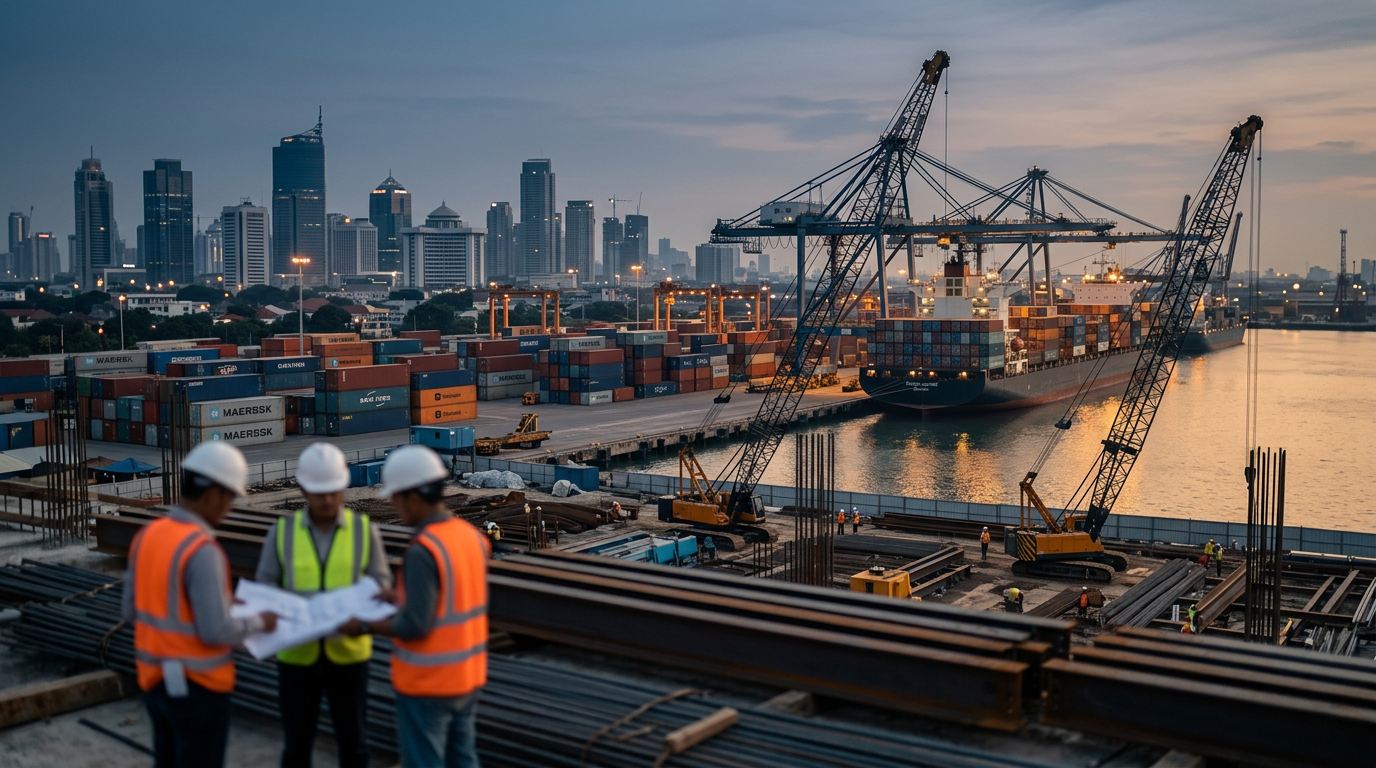
Jakarta is courting Gulf capital for its infrastructure and energy ambitions. Success depends on the slower work of turning headline announcements into realised investment on the ground.
 Indonesia
From New York to Nusantara: Gulf Capital Meets Indonesian Institutions
Foreign ministers of ASEAN and the Gulf Cooperation Council met in New York, but the real work of turning investment promises into projects on the ground in Indonesia is just beginning.
 Indonesia
, Gulf FDI, and the Long Road from Announcement to Execution
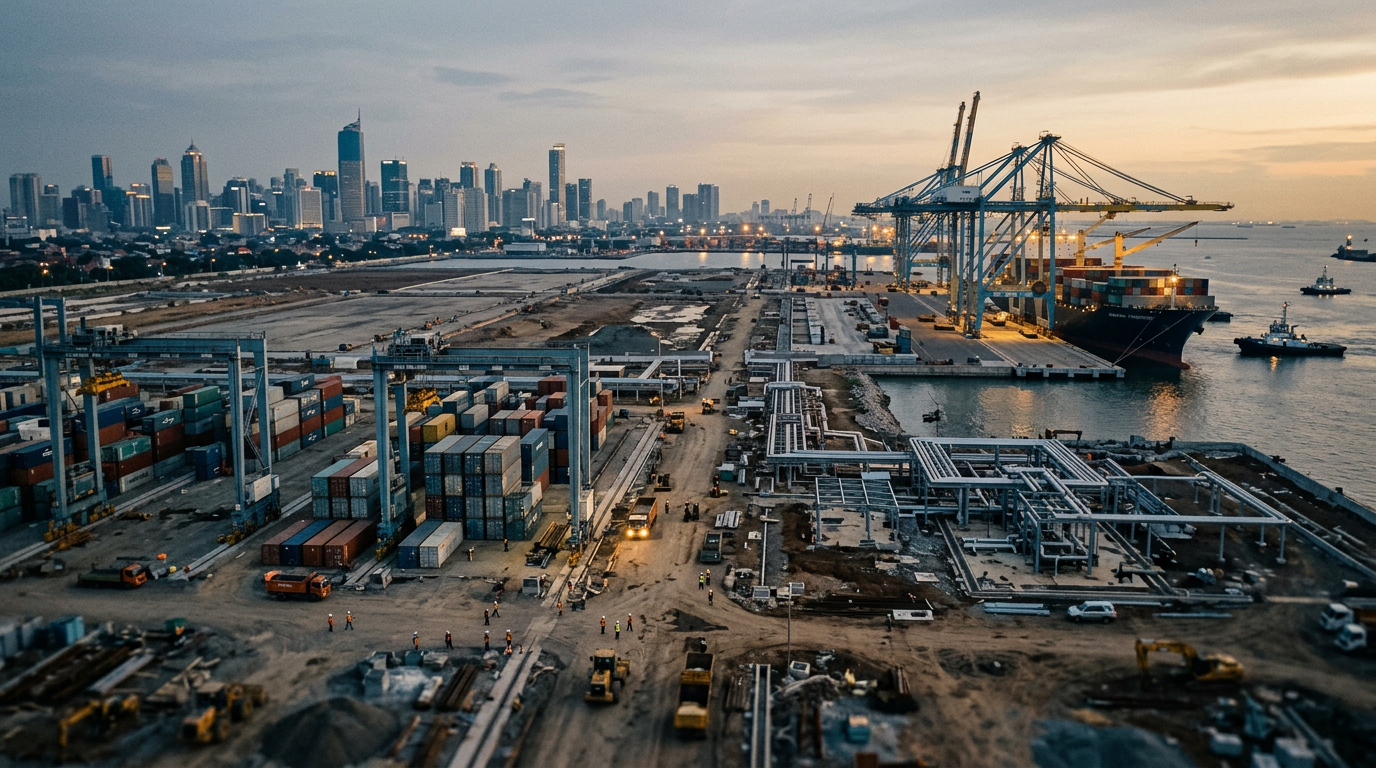
Foreign direct investment announcements travel quickly. Realised flows depend on the slower work of land, permits, power and talent reaching the ground. For Indonesia, turning Gulf interest into real assets will be a test of institutional capacity.