Vietnam
ASEAN-India: Food Security and the State
Talk of food security is easy. Execution is harder. Building the institutional capacity for reliable, cross-border execution is one of ASEAN's defining tests.
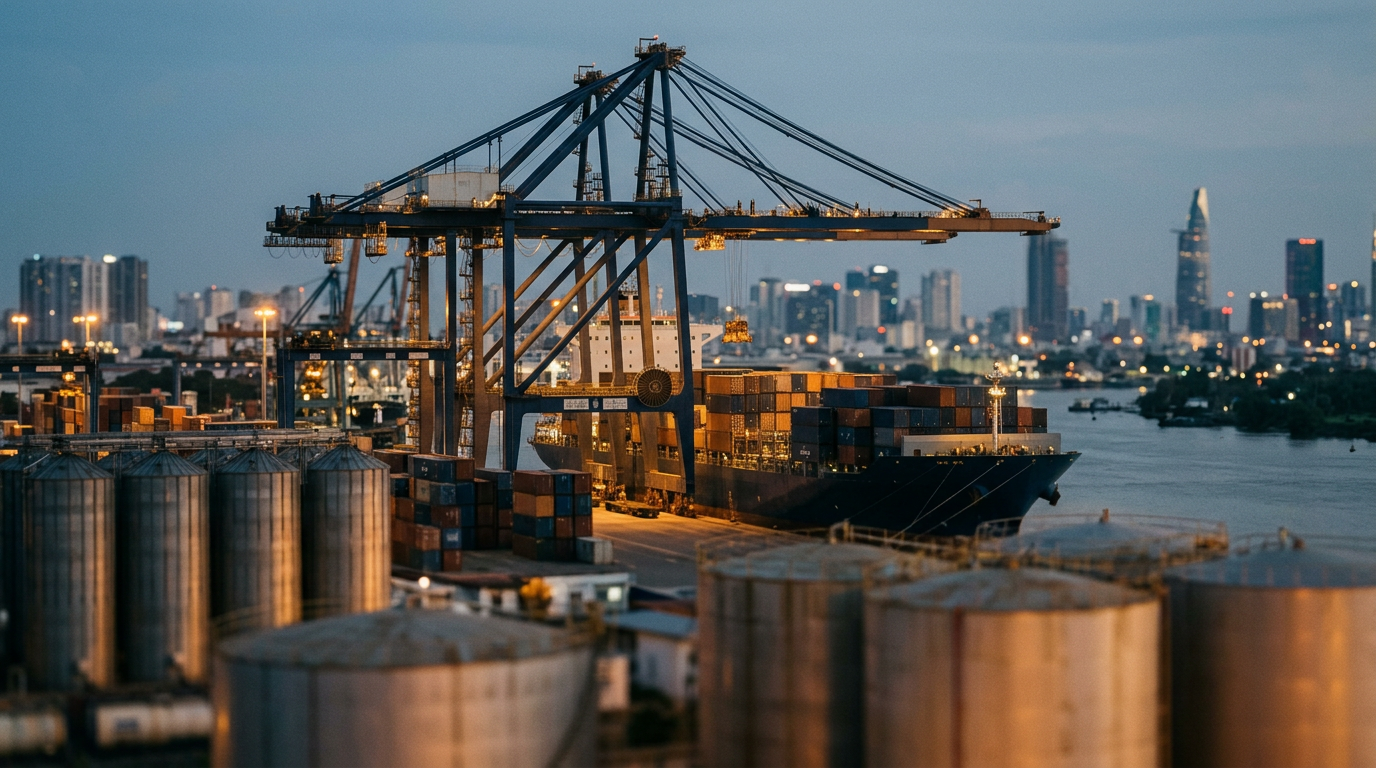
A recent meeting between ASEAN and Indian officials on agriculture and forestry highlighted a shared focus on food security. The ASEAN Secretariat reported that the discussion centered on strengthening cooperation in this area, a familiar theme in regional diplomacy. While such meetings are a staple of the ASEAN calendar, the gap between pronouncements and practical outcomes remains a core governance concern.
The Execution Gap
Declarations on food security are frequent. The joint statements that follow ministerial meetings serve a purpose, signaling intent and establishing shared priorities. The difficult work, however, lies in translating these intentions into tangible results, such as resilient supply chains, harmonized standards, and shared infrastructure. This is not a matter of high-level statements, but of granular, cross-border public administration. The ability to execute on these plans is a measure of state capacity.
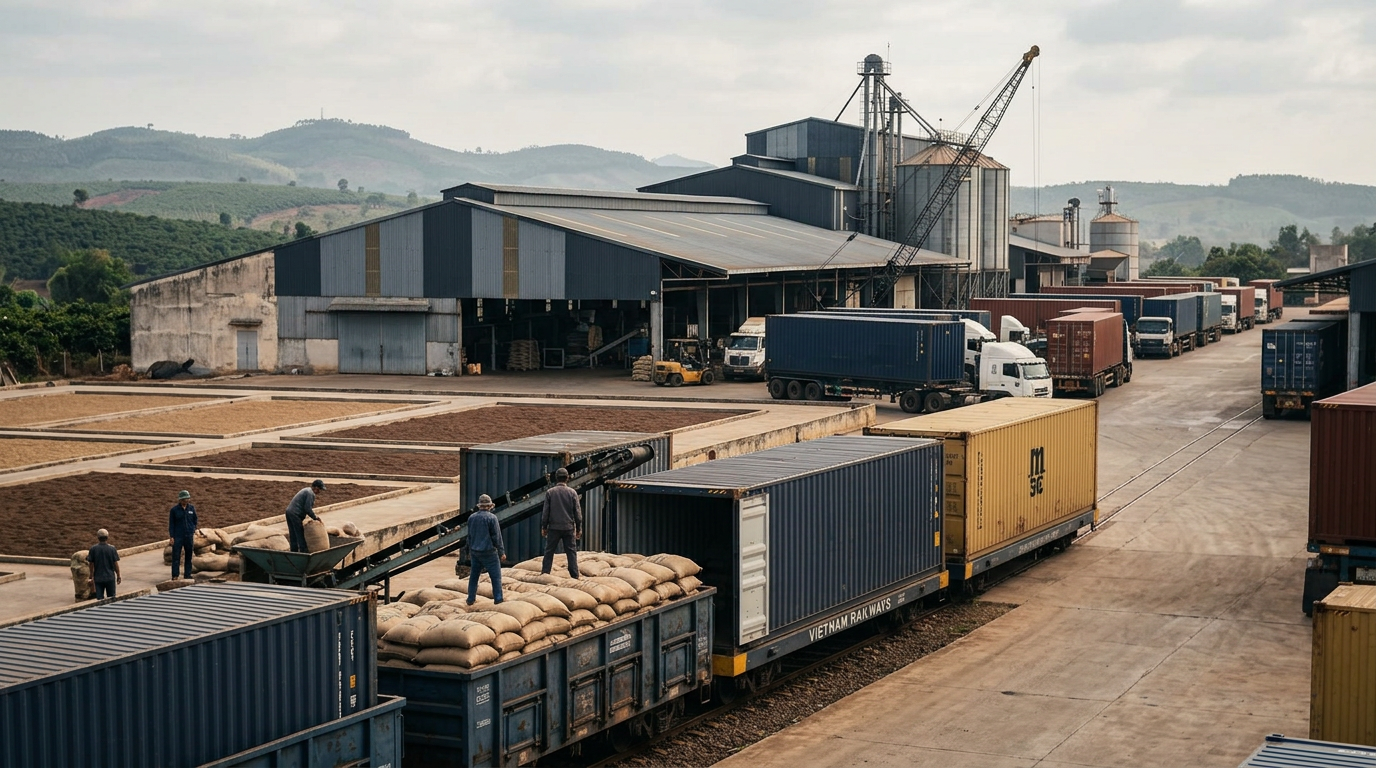
"ASEAN Rising" notes that effective states are not necessarily the ones with the most ambitious plans, but those that can reliably implement them. The book argues that "a usable state is often more valuable than an exciting one." In the context of food security, this means having regulatory agencies, customs authorities, and logistics frameworks that function smoothly and predictably, even during a crisis. It is this underlying institutional machinery that turns a policy goal into a sack of rice delivered to a market.
Building Institutional Trust
Trust between member states is the foundation of any meaningful regional cooperation. In areas as sensitive as agriculture and food supply, trust cannot be based on rhetoric alone. It is built through a track record of reliability and transparency. When a government commits to a certain customs standard or a specific schedule for infrastructure development, its neighbors and partners watch closely. Delivering on those commitments builds confidence; failing to do so erodes it.
The ASEAN-India relationship on this front depends on the capacity of both sides to execute. For ASEAN, this involves the complex work of coordinating among ten member states with varying levels of economic development and institutional maturity. For India, it requires navigating its own complex federal system to deliver on international commitments. The success of any food security partnership will depend less on the text of the initial agreement and more on the quality of the institutions tasked with implementing it.
Capital and Infrastructure
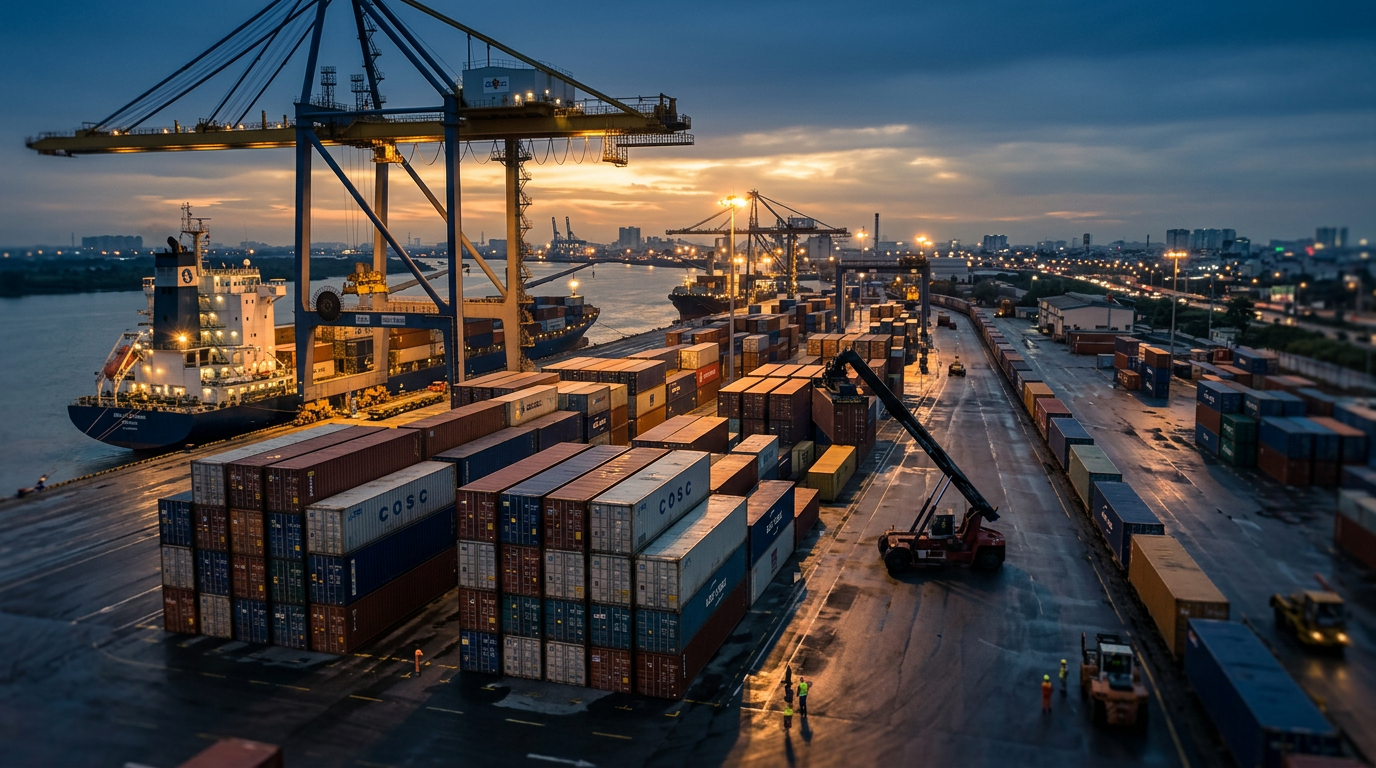
The conversation about food security is inseparable from the conversation about capital and infrastructure. Securing food supplies requires investment in everything from farm technology to rural roads, ports, and digital trade platforms. These are capital-intensive projects that require a stable, predictable regulatory environment to attract investment. Investors, whether public or private, look for markets where contracts are enforced and projects are not derailed by bureaucratic friction.
The challenge for ASEAN and its partners is to create a policy environment that encourages long-term investment in agricultural productivity and supply chain resilience. This includes not just the physical infrastructure, but the "soft infrastructure" of efficient legal and administrative systems. As the book "ASEAN Rising" suggests, infrastructure that arrives on time provides a powerful signal of institutional competence. It demonstrates a capacity for execution that is far more persuasive than any policy paper.
What to watch: The effectiveness of any ASEAN-India food security initiative will not be measured by the number of meetings held, but by the flow of trade and investment. Observe whether subsequent agreements move from general principles to specific, measurable, and time-bound commitments. Pay attention to the implementation of pilot projects, the harmonization of specific product standards, or the establishment of new cross-border logistics routes. These are the quiet, practical indicators of institutional progress.