Vietnam
Vietnam: From FDI Pledges to Economic Reality
Standard Chartered's optimistic GDP forecast for Vietnam highlights its manufacturing strength. However, turning FDI announcements into realized growth depends on the slower, harder work of improving institutions and infrastructure.
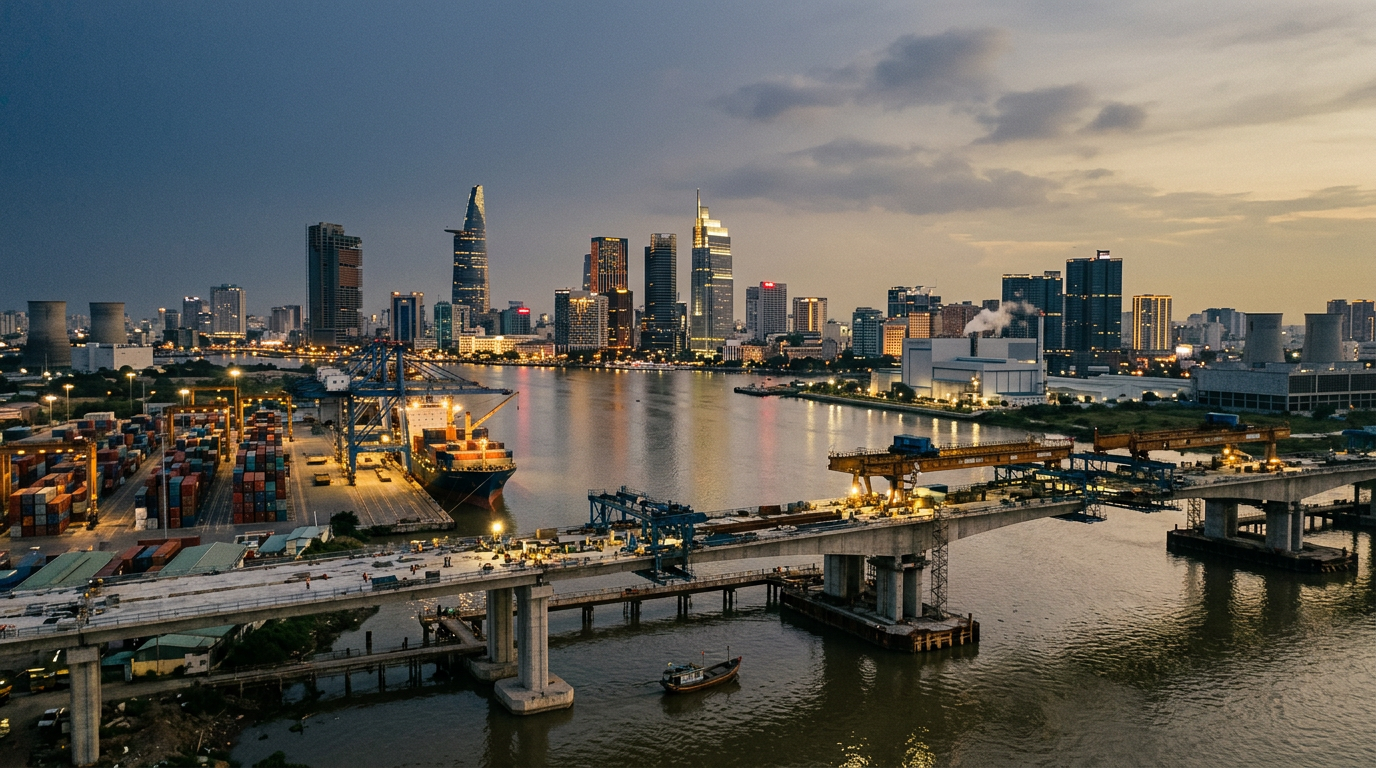
A recent forecast from Standard Chartered has raised Vietnam's expected GDP growth for 2026 to 9.5%, a significant increase from the previous 7.2%. This optimism, detailed in a report from VietnamPlus, is largely attributed to a strong recovery in the manufacturing sector and favorable global trade dynamics. While such headline figures are encouraging, they also bring into focus the underlying factors necessary to convert investment pledges into tangible economic development.
The Allure of Manufacturing
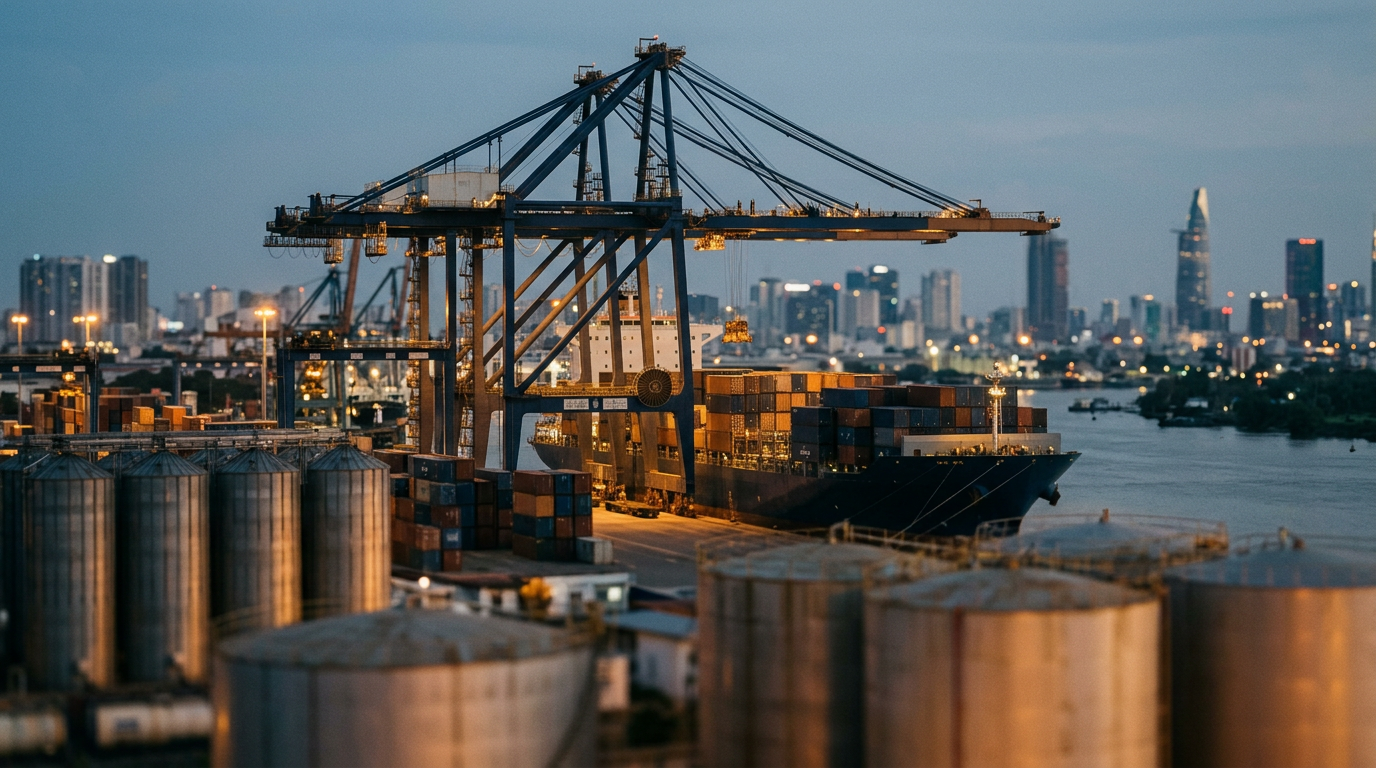
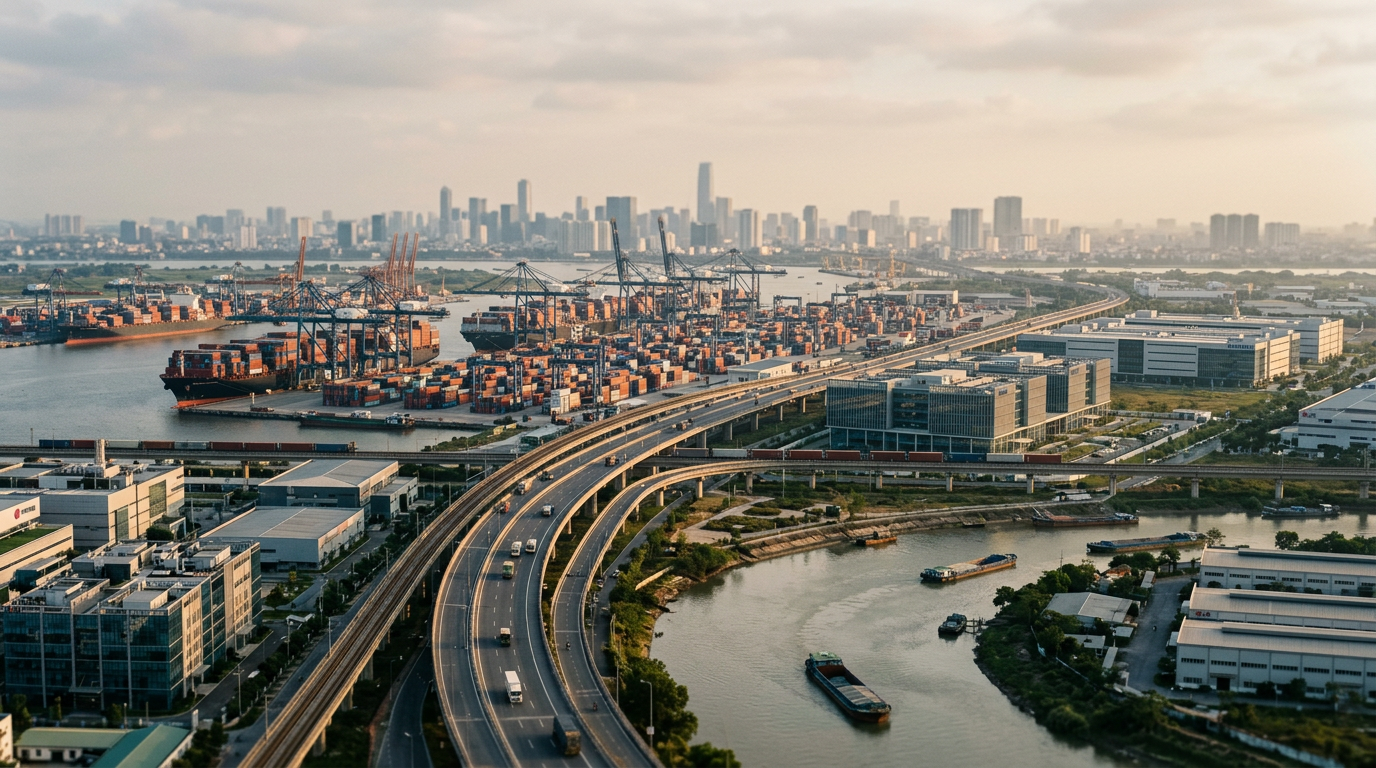
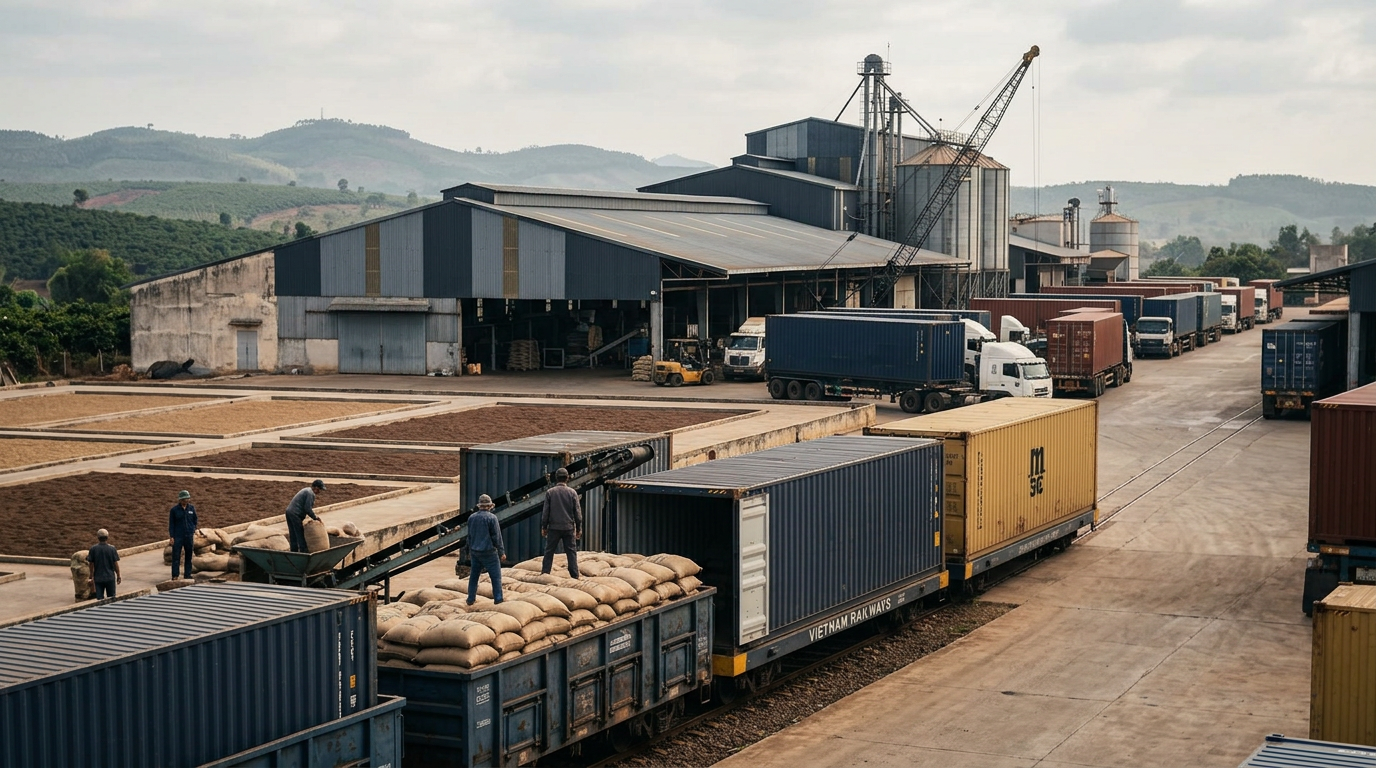
Vietnam has firmly established itself as a preferred destination for foreign direct investment, particularly in the manufacturing and electronics sectors. Its strategic location, competitive labor costs, and a network of free trade agreements have attracted a steady stream of capital from international firms looking to diversify their supply chains. The government's proactive policies and efforts to create a business-friendly environment have been instrumental in building this reputation. The Standard Chartered forecast reflects confidence that this trend will not only continue but accelerate, as Vietnam solidifies its position as a key node in global production networks. The upgraded forecast is a direct reflection of the country's success in attracting high-value export-oriented industries.
Execution is Everything
Optimistic growth forecasts are based on the assumption that announced investments will translate into productive capacity. As the book "ASEAN Rising" notes, "FDI announcements travel quickly. Realised flows depend on the slower work of land, permits, power and talent reaching the ground." This observation is as relevant to Vietnam as it is to Indonesia, the original context of the chapter. The journey from a memorandum of understanding to a fully operational factory is fraught with administrative and logistical hurdles. Securing land rights, obtaining the necessary permits, ensuring reliable power supply, and sourcing skilled labor are all critical steps that test the capacity of state institutions. Vietnam's ability to sustain its growth trajectory will depend on its capacity to streamline these processes and ensure that infrastructure development keeps pace with investor demand.
Bridging the Infrastructure and Talent Gap
The primary constraints on Vietnam