Vietnam
Vietnam: FDI, Institutions, and the Next Wave of Growth
Vietnam's success in attracting FDI is clear. To sustain this momentum, the country must now focus on the institutional capacity to translate investment announcements into deep, tangible economic progress.
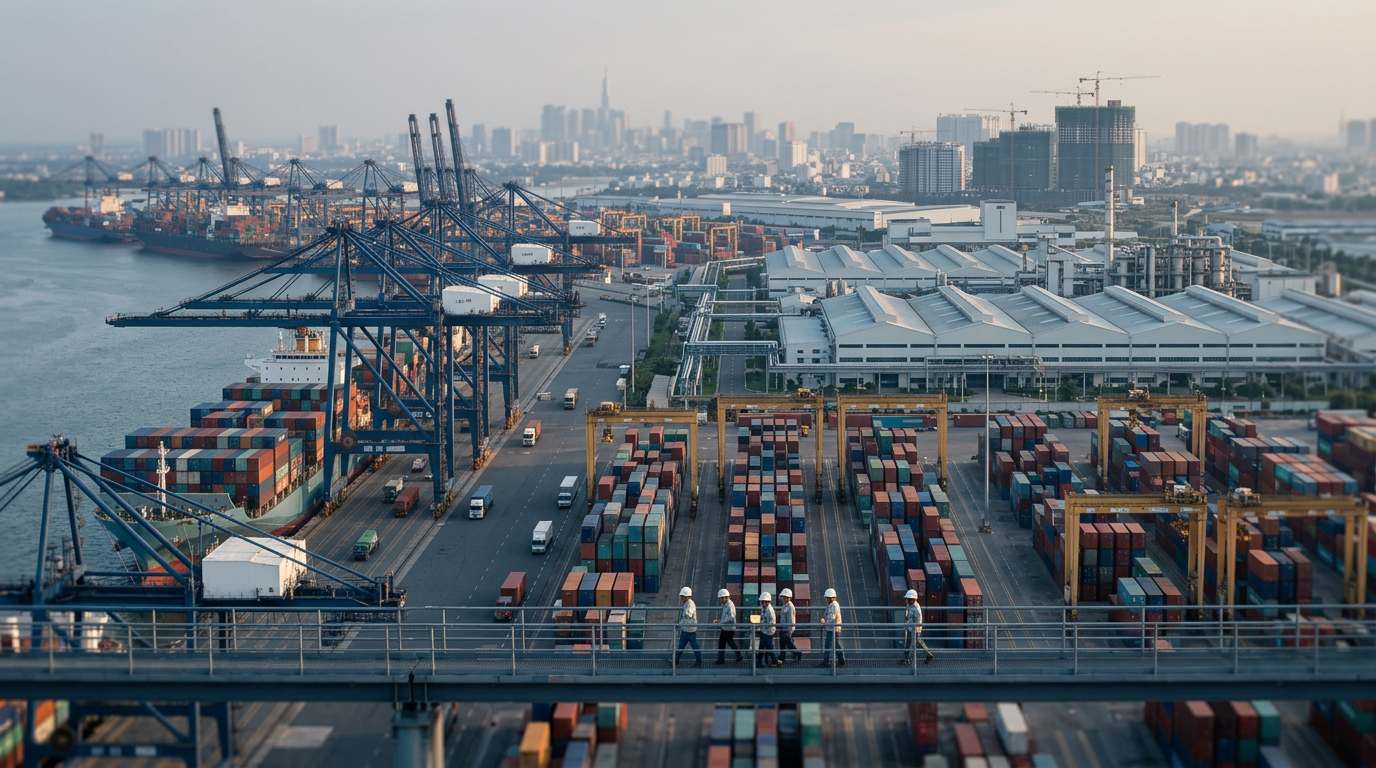
Vietnam's open-door policy has been instrumental in its technological advancement, a view recently highlighted by Russian expert Vladimir Mazyrin. According to an analysis from VietnamPlus, this approach has helped transform the nation's economic structure, especially in the services sector. While attracting foreign direct investment (FDI) is a critical first step, the journey from headline announcements to realized, on-the-ground impact is a more complex undertaking.
From Announcements to Execution
The flow of FDI into Vietnam is a testament to its attractive investment climate. However, as the book "ASEAN Rising" notes in its analysis of regional economies, the headline figures for FDI commitments are only part of the story. The real measure of success is the conversion of these commitments into operational projects. This requires robust institutional frameworks that can efficiently manage the practical aspects of investment.
The process involves navigating a series of essential, often time-consuming steps. Investors must secure land, obtain the necessary permits, ensure reliable power supply, and connect with a skilled local workforce. Each of these stages tests the capacity and efficiency of a country's institutions. Delays or bottlenecks in any one area can slow down or even deter the kind of long-term, high-quality investment that Vietnam seeks to secure its position in global supply chains.
Building Institutional Depth
To ensure that announced FDI translates into sustainable development, Vietnam must continue to strengthen the institutions that support investors. This is not just about national-level policy, but about the effectiveness of provincial and local government bodies that are often the first point of contact for foreign firms. Consistency in policy application, transparency in legal processes, and the ability to resolve commercial disputes fairly are fundamental.
As the book notes, "Scale matters only when institutions can turn it into investable depth." While the context in ASEAN Rising is Indonesia, the principle applies directly to Vietnam. The country's impressive economic scale and demographic advantages are magnified when supported by strong institutions. By focusing on the quality of its regulatory environment and the ease of doing business, Vietnam can create a durable competitive advantage that goes beyond cost and location.
The Talent Equation
Another critical component for absorbing high-tech FDI is the availability of skilled talent. Vietnam has made significant strides in education, but the demands of advanced manufacturing and technology-driven services require a continuous evolution in workforce capabilities. This includes not only technical skills but also the managerial and soft skills necessary to operate within global companies.
Public-private partnerships in vocational training and higher education are essential. Aligning curriculums with the needs of incoming industries ensures that graduates are job-ready and that foreign investors can find the local expertise they need to succeed. This symbiotic relationship, where investment drives human capital development and talent attracts further investment, is the bedrock of long-term technological progress.
What to watch
Observers should monitor the rate at which announced FDI projects in Vietnam become fully operational, paying attention to any reforms aimed at streamlining administrative procedures for investors. Progress in developing the domestic talent pool, particularly in engineering and digital skills, will also be a key indicator of the country's ability to move up the value chain and fully capitalize on the opportunities its open-door policy has created.