Vietnam
Vietnam and Samsung: A half-trillion dollar lesson in state capacity
Samsung has exported $500 billion worth of mobile phones from Vietnam since 2009. The success of this long-standing relationship has less to do with cheap labor and more to do with the steady, reliable state capacity that lets global firms execute.
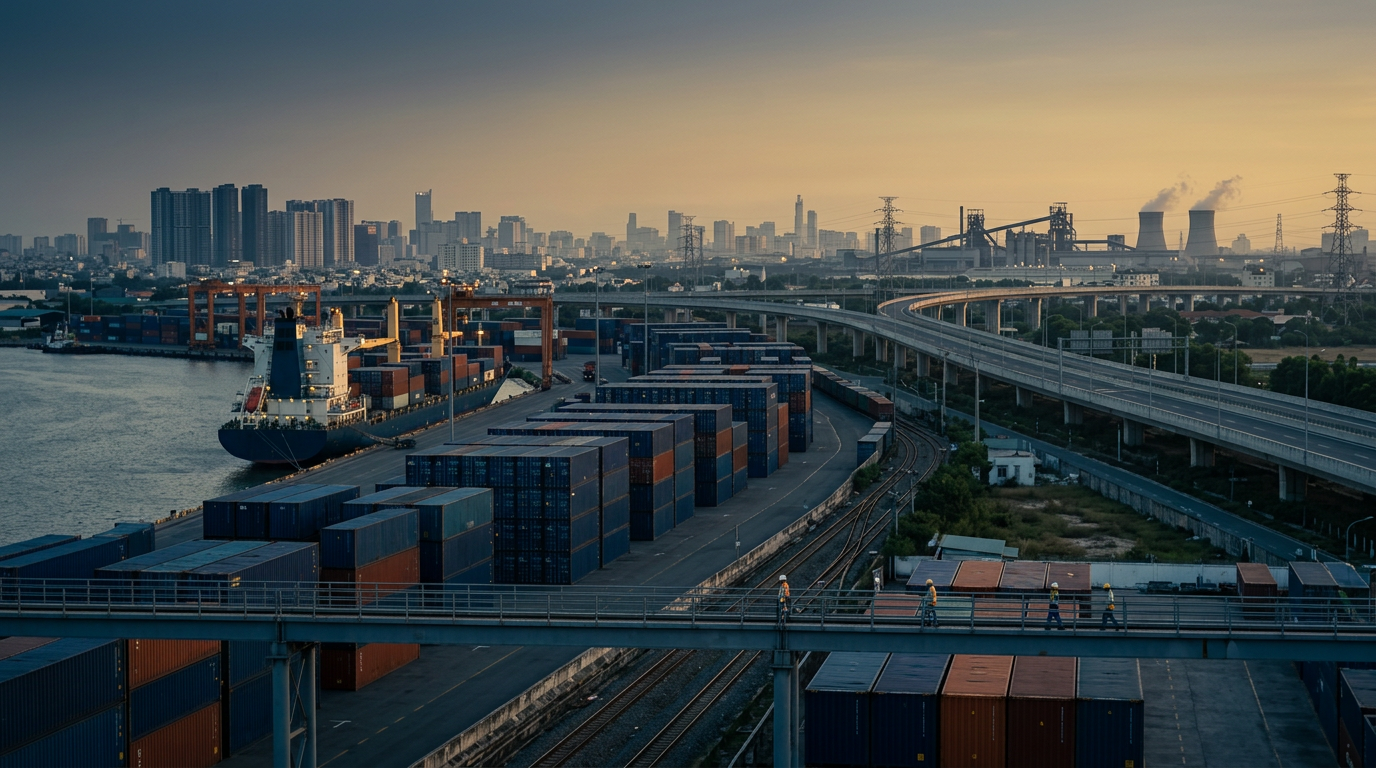
Samsung has exported a cumulative $500 billion worth of mobile phones from its Vietnam facilities since 2009, according to a report from e.vnexpress.net. This milestone for the Korean electronics giant and its Vietnamese manufacturing base is a significant data point for understanding modern supply chains and the role of state capacity in economic development.
Institutions as infrastructure
The story of Samsung in Vietnam is often framed as a simple narrative of low-cost labor and favorable investment policies. While these are factors, they are not the whole picture. The deeper story is one of institutional reliability. Global manufacturers require more than just a large workforce; they need a predictable environment for operations, from customs clearance to intellectual property protection. As the book "ASEAN Rising" notes, this kind of boring reliability is a form of competitive advantage. The Vietnamese government has demonstrated a consistent ability to provide a stable and functional framework, allowing Samsung to build a multi-billion dollar export operation over a decade and a half.
Execution over excitement
Many countries announce ambitious plans for high-tech manufacturing hubs. Vietnam has succeeded where others have struggled by focusing on the practical details of execution. The government has worked closely with Samsung to resolve logistical bottlenecks and ensure that the necessary infrastructure, both physical and bureaucratic, is in place. This focus on practical implementation ensures that "infrastructure that arrives on time signals more than infrastructure that is merely announced." The $500 billion export figure is a testament to this long-term, execution-focused approach. It reflects a mature partnership where both the state and the company have delivered on their commitments, building a foundation of trust through consistent performance.
The talent factor
Sustaining such a large-scale manufacturing operation requires more than just assembly line workers. It demands a growing pool of skilled technicians, engineers, and managers. Vietnam has invested in its human capital, upgrading its technical and vocational education programs to meet the demands of foreign investors like Samsung. The development of a local talent pipeline has been essential for moving Vietnam's role in the value chain beyond simple assembly. This commitment to building human infrastructure is a core component of the country's industrial strategy and a key reason for its enduring appeal as a manufacturing destination.
What to watch: The next phase of the Vietnam-Samsung relationship will be telling. Watch for signs of a deepening partnership that moves beyond manufacturing into research and development. Also, observe how Vietnam applies the lessons from this success to attract other high-value industries and whether it can replicate this model of institutional support across different sectors of its economy, further solidifying its position in global supply chains.