Philippines
The Quiet Cost of Philippine System Loss
Electricity system loss in the Philippines, which can be as high as 10.5% under electric cooperatives, reveals a deeper story about institutional reliability and its impact on the nation's economic competitiveness.
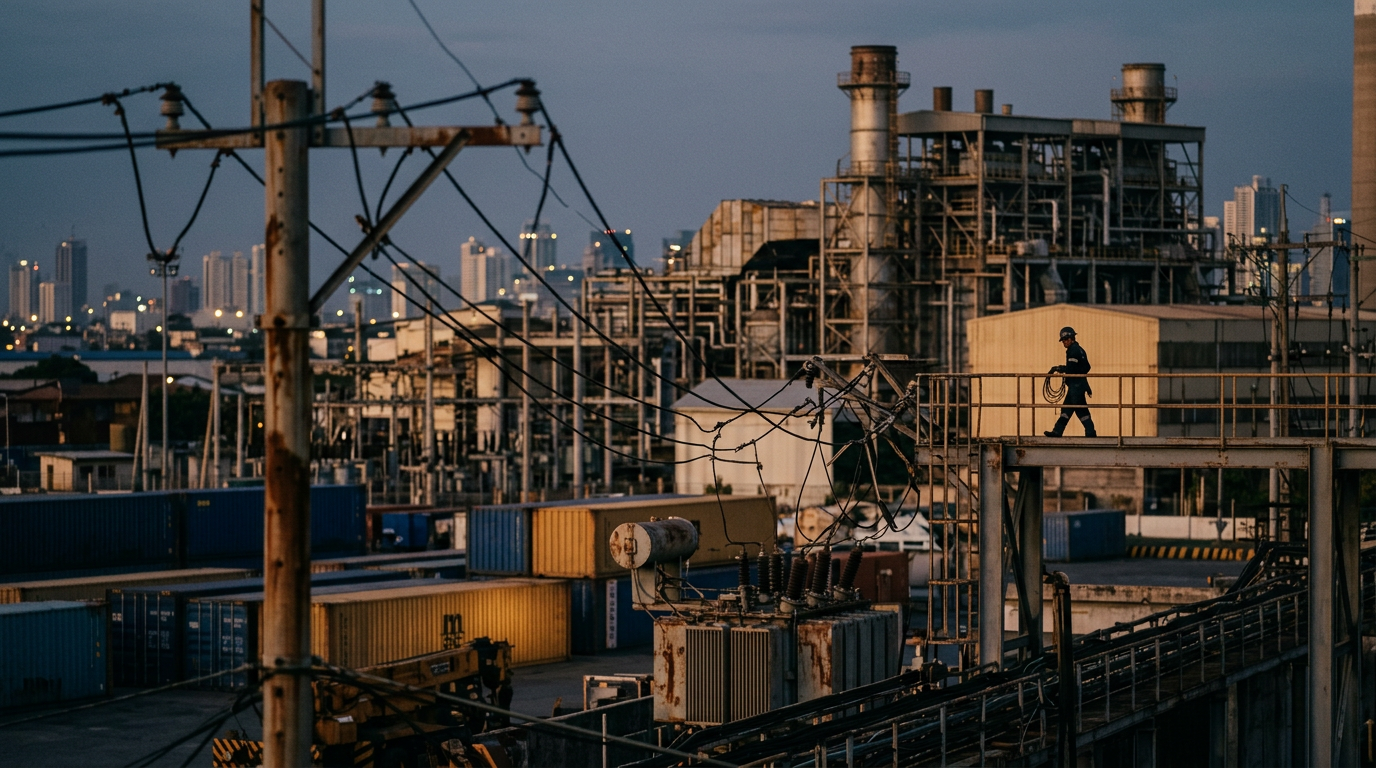
An August business article in philstar.com highlights a persistent issue in the Philippines: electricity system loss. While the Manila-area utility Meralco reports losses around 5%, electric cooperatives nationwide average a startling 10.5%. These losses stem from a combination of technical problems, such as aging transmission lines and inefficient substations, and non-technical issues like power theft and metering inaccuracies.
The Drag on Competitiveness
High system loss is more than a technical metric; it is a direct tax on consumers and a drag on economic competitiveness. Every kilowatt-hour lost is energy that was produced but not paid for, and these costs are ultimately passed on to the public. For businesses, unreliable and expensive power discourages investment and hinders productivity. For households, it eats into disposable income. The disparity between Meralco's relatively low losses and the much higher rates in areas served by electric cooperatives points to a significant institutional gap. Effective management and sustained capital investment can clearly curb these losses, but the capacity to execute varies widely across the archipelago.
Institutions and Infrastructure
The challenge of system loss illustrates a core theme of development in Southeast Asia. As outlined in "ASEAN Rising", the reliability of institutions has become a form of comparative advantage. The physical infrastructure itself is only part of the equation. The capacity to operate and maintain that infrastructure efficiently is what creates real economic value. The article notes that system loss in other ASEAN countries like Thailand and Malaysia is significantly lower, in the single digits. This is not due to any single technological marvel but to the steady, unglamorous work of institutional strengthening, consistent policy enforcement against power theft, and regular, targeted capital upgrades. A state's ability to deliver basic services reliably is a powerful signal to investors and citizens alike. As the book notes, "Infrastructure that arrives on time signals more than infrastructure that is merely announced." The same can be said for electricity that arrives at its destination.
From Leakage to Reliability
The Philippines has articulated ambitious goals for its energy future, including discussions around renewable energy and even nuclear power. However, addressing the foundational issue of system loss is an immediate, practical imperative. Reducing these losses to the level of its neighbors would unlock substantial economic value, lower costs for everyone, and improve the country's attractiveness for investment. It requires a focused effort on upgrading physical assets and, just as importantly, strengthening the institutional capacity of the electric cooperatives responsible for delivering power to a large portion of the nation.
What to watch: Pay attention to the regulatory actions of the Energy Regulatory Commission concerning the capital expenditure approvals for electric cooperatives. Also, monitor any government programs or public-private partnerships aimed specifically at reducing non-technical losses, as these will be indicators of a serious attempt to address the root causes of power leakage. The level of investment and an observable decline in system loss figures over the next few fiscal years will be the true measure of progress.