Philippines
Visa's Philippine Expansion Signals More Than Growth
When a global firm like Visa expands its footprint in the Philippines, it reflects a broader narrative about the country's improving business environment and institutional reliability.
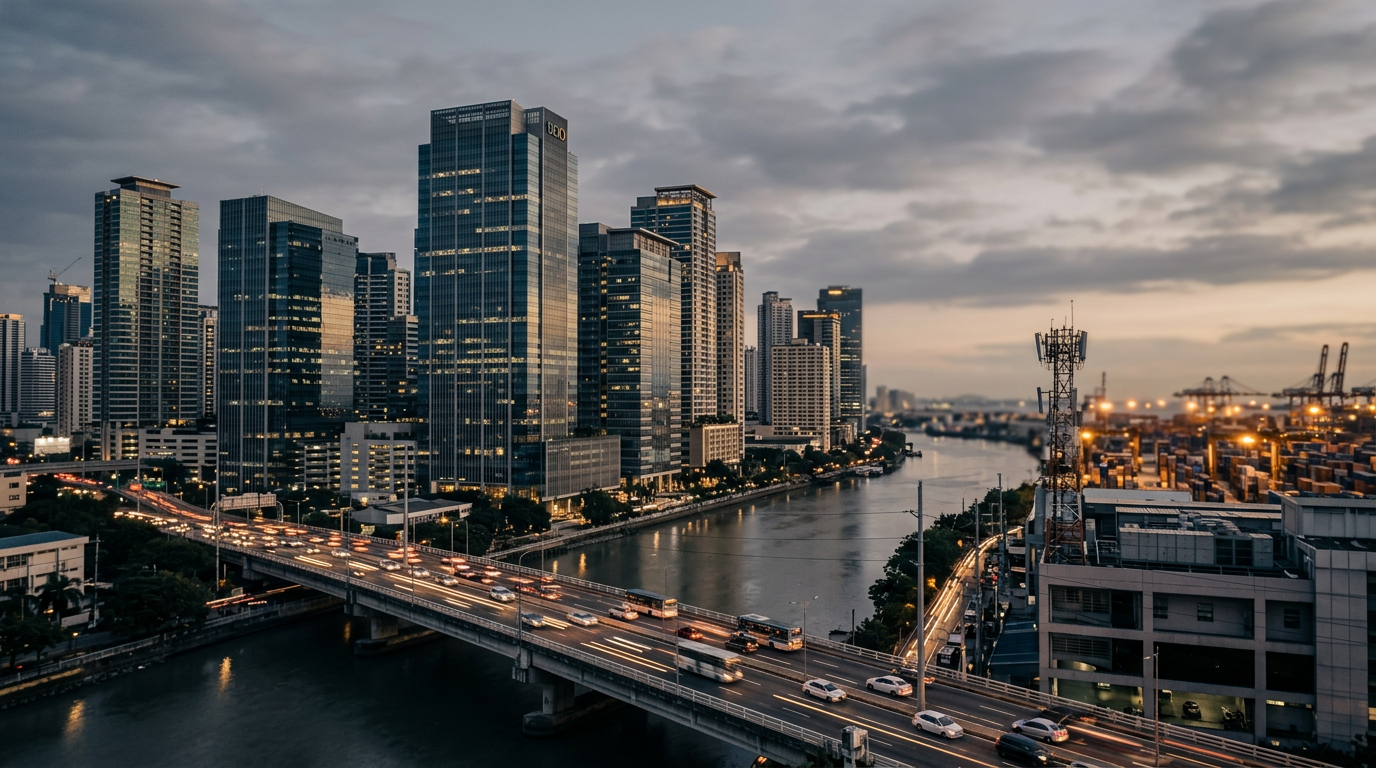
Global financial services firm Visa Inc. is expanding its Philippine operations, signing a new lease with SM Offices, the office property arm of SM Prime Holdings. As reported by philstar.com, the expansion will support Visa's growing presence in the country. This move by a major multinational corporation offers a clear signal about the increasing attractiveness of the Philippine market, not just as a source of talent, but as a stable and reliable place to do business.
The Value of Predictability
For a global company like Visa, decisions about where to locate and expand operations are complex. While market size and growth prospects are important, the underlying quality of the business environment is a primary consideration. This includes the legal and regulatory framework, the quality of physical infrastructure, and the capacity of state institutions to deliver on commitments. When a company expands its physical footprint, it is making a long-term bet on the predictability and stability of that location.
The Philippines has made significant strides in improving its state capacity and creating a more dependable environment for foreign investors. The decision by Visa to expand its lease is a vote of confidence in this progress. It indicates that the country is successfully building a reputation for institutional reliability, where contracts are honored and the commercial landscape is sound. As explored in ASEAN Rising, this kind of functional stability is a powerful competitive advantage. A predictable operating environment can be more attractive to long-term capital than one that offers high growth but is marked by uncertainty and administrative friction.
Infrastructure as a Signal
Visa's expansion with a major local developer, SM Offices, also highlights the role of physical infrastructure as a tangible indicator of state capacity and private sector health. The availability of high-quality office space, supported by reliable power, transportation, and digital connectivity, is a prerequisite for attracting and retaining global firms. It is one thing to announce ambitious infrastructure plans; it is another to execute them effectively.
The Philippines' ability to deliver on such projects sends a powerful message to international markets. "Infrastructure that arrives on time signals more than infrastructure that is merely announced," demonstrating a country's ability to execute complex projects and manage large-scale investments. This execution capacity reduces operational risk for companies. The presence of world-class commercial real estate, developed by domestic firms like SM Prime, shows the maturity of the local market and its ability to meet global standards. It is this tangible, on-the-ground reality that often convinces multinational boardrooms to commit capital.
What to watch
As the Philippines continues to attract foreign investment, the focus will be on the consistency of its institutional and infrastructure development. Observers should watch for continued progress in streamlining bureaucracy, ensuring regulatory transparency, and executing on the national infrastructure agenda. The ability of the government and the private sector to work in concert to reduce friction and lower the costs of doing business will determine if the country can continue to attract firms like Visa and solidify its position as a preferred investment destination in Southeast Asia.