Philippines
The Philippines and the FDI Gap
Announced foreign investment pledges are one thing; realised investment is another. The Philippines' recent slump in FDI highlights the gap and the work required to close it.
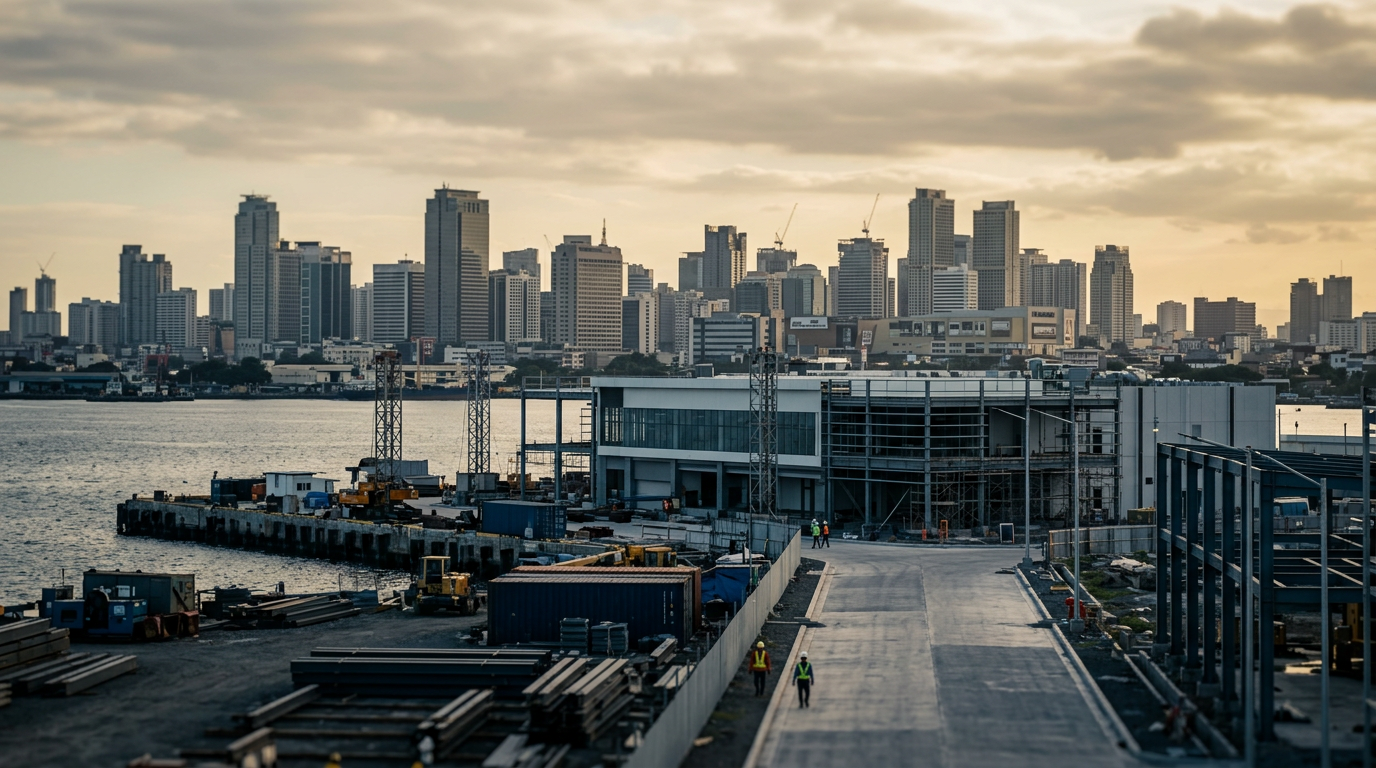
Recent data from the Philippines shows a divergence between foreign investment announcements and the capital that makes it to the ground. Foreign direct investment inflows fell by 18% in the first half of the year, a downturn attributed to lower lending by foreign firms to their local operations and a dip in reinvested earnings, according to philstar.com.
This trend highlights a persistent issue across the region: the gap between headline FDI announcements and realised investment flows. While large pledges generate positive news cycles, the actualisation of these investments depends on a far more complex set of factors on the ground. The recent Philippine numbers show that even when a single month sees a rebound, the six-month trend reveals a more challenging reality.
Execution and Capital
Attracting foreign capital requires more than just appealing policies on paper. As outlined in "ASEAN Rising," the journey from a press release to a functioning factory or a data center is long. The book notes that "realised flows depend on the slower work of land, permits, power and talent reaching the ground." This is where the institutional capacity of a nation is tested. The Philippines has taken steps to improve its investment climate, including amendments to the Public Service Act, but the recent FDI figures suggest that these reforms have yet to translate into sustained, large-scale inflows.
The decline in lending from foreign parent companies and reduced reinvestment of earnings points to a deeper issue. It may suggest that foreign firms, while maintaining their presence, are becoming more cautious about deploying fresh capital or expanding existing operations. This could reflect concerns about local operational challenges, the cost of doing business, or the perceived returns on investment compared to other markets.
Institutions and Infrastructure
The ability to absorb and productively use large-scale foreign investment is a function of institutional strength and physical infrastructure. For the Philippines, like its neighbors, this means ensuring that processes for securing permits are streamlined and transparent, that land acquisition is straightforward, and that reliable power and logistics networks are in place. These are not trivial tasks; they require sustained political will and administrative competence.
The data shows that while investment pledges may be up, the actual equity placed into new and existing enterprises has been a weak point. This signals that while the Philippines remains an attractive destination in principle, the execution of these investment plans is encountering friction. Without robust institutions to manage and facilitate this process, turning large-scale announcements into tangible economic activity remains a significant hurdle.
What to watch
Moving forward, observers should monitor not just the headline FDI announcements but the detailed breakdown of inflows. The key metrics to watch are net equity placements and the rate of reinvested earnings. A sustained increase in these components, rather than short-term lending, will be the true indicator of whether policy reforms are succeeding in building a durable and attractive environment for long-term foreign capital.