Philippines
The Philippines, Rice, and the Test of Institutional Capacity
The Philippines anticipates importing a higher percentage of broken rice, facing tighter global supply. This tests the country's institutional capacity to manage food security.
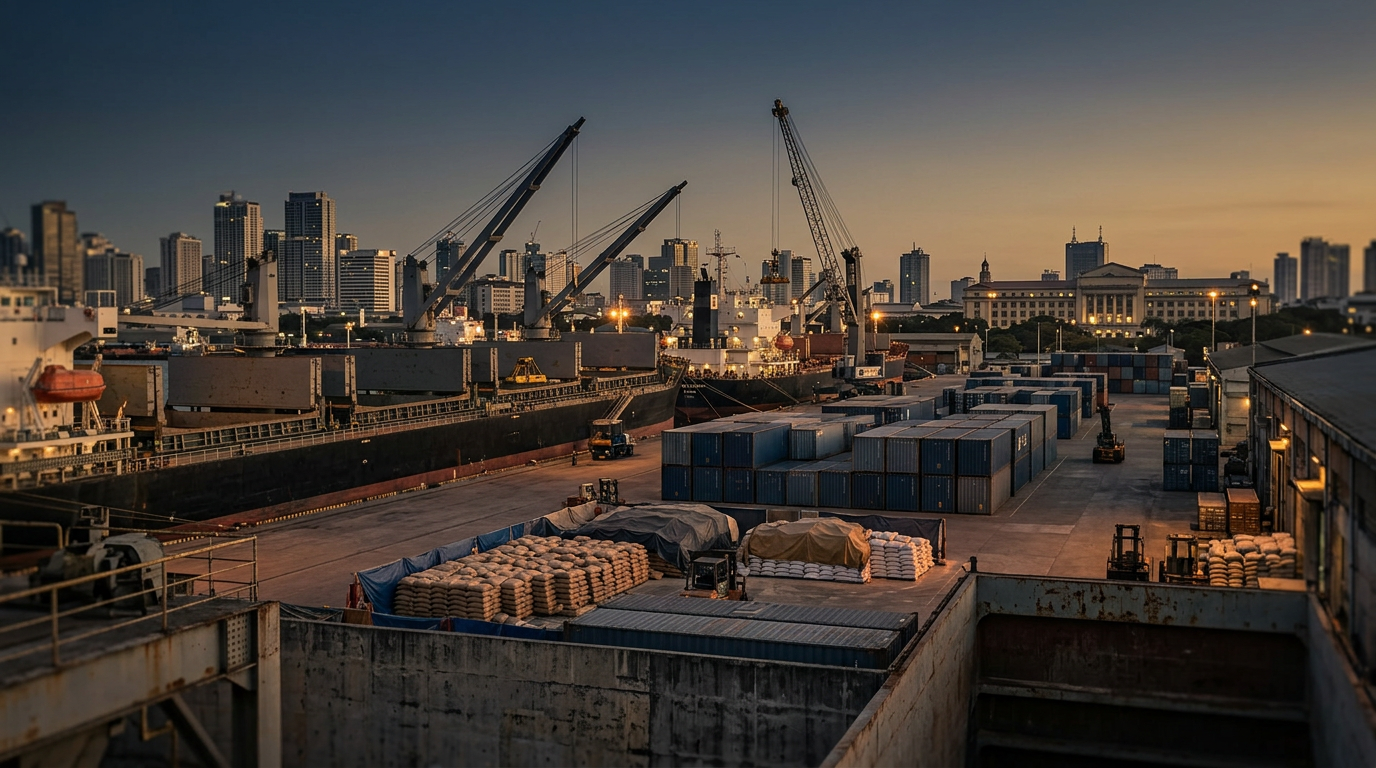
The Philippines is preparing to import a higher percentage of broken rice as global supplies tighten, according to a report from philstar.com. Increased demand from other importers is expected to create a more competitive procurement environment. While this appears to be a straightforward story about supply and demand, it also provides a clear window into the challenges of institutional capacity and state effectiveness in managing national food security.
The Challenge of a Usable State
Managing a nation's food supply, particularly a staple commodity like rice in the Philippines, is a core function of the state. It requires a complex, coordinated effort across multiple government agencies, from agriculture and trade to logistics and finance. The current need to secure more broken rice imports puts this coordination to the test. As the book "ASEAN Rising" notes, a state's ability to execute such fundamental tasks is a measure of its capacity. The challenge is not just to announce a policy, but to implement it effectively on the ground, ensuring that rice reaches the market and the consumer at a stable price. This requires robust institutions that can navigate the complexities of international trade, manage domestic distribution, and prevent disruptions.
Infrastructure for Food Security
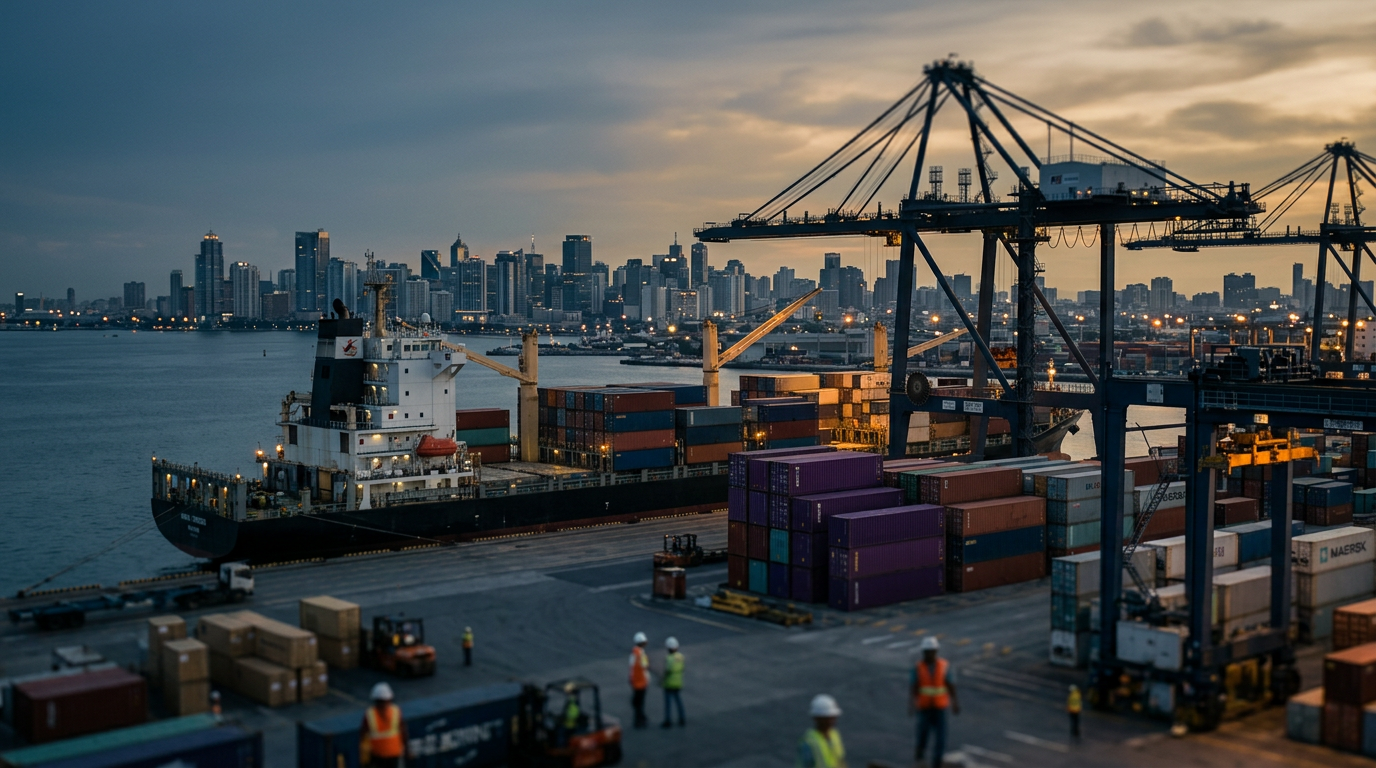
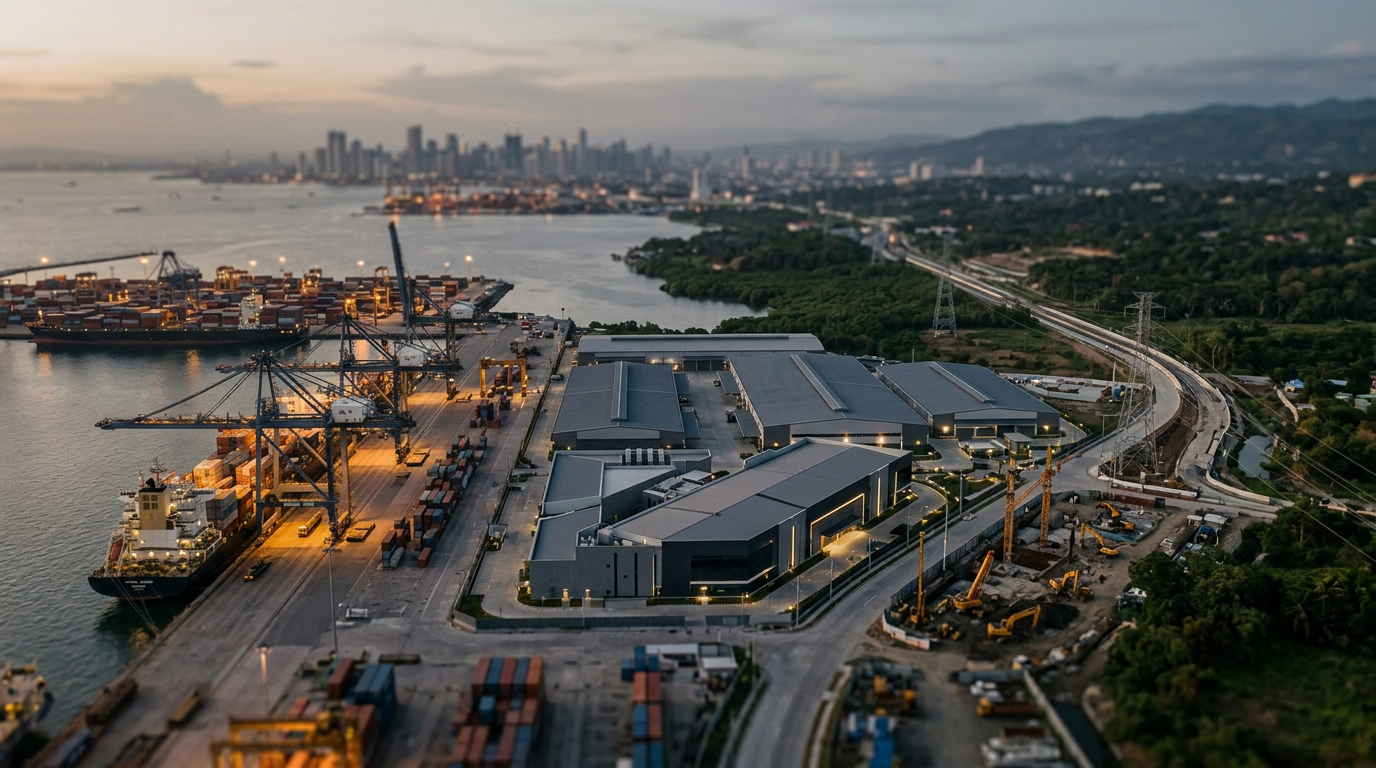
Securing imports is only one part of the equation. The physical infrastructure for receiving, storing, and distributing the rice is equally significant. Ports must be efficient, warehouses must be available, and the transport network must be reliable to move the commodity from entry points to markets across the archipelago. This is where institutional reliability and physical infrastructure intersect. The book argues that "infrastructure that arrives on time signals more than infrastructure that is merely announced." In the context of food security, this means that functional ports and smoothly operating logistics chains are not just economic assets; they are instruments of state capacity. The ability to handle this import surge without bottlenecks or spoilage is a direct reflection of the quality of the Philippines' infrastructure and the institutions that manage it.
What to watch: Observers should monitor the domestic price of rice in the Philippines in the coming months as an indicator of how effectively the state is managing this import adjustment. Attention should also be paid to any announcements or investments related to improving port logistics and warehousing capacity, as these will be telling signs of the government's long-term approach to strengthening its food security apparatus.