Philippines
The Philippines Turns Telco FDI Pledges into Reality
The Philippines is poised for a $2 billion wave of telecommunications investment in 2026, a test of the nation's capacity to translate foreign direct investment announcements into tangible infrastructure and services.
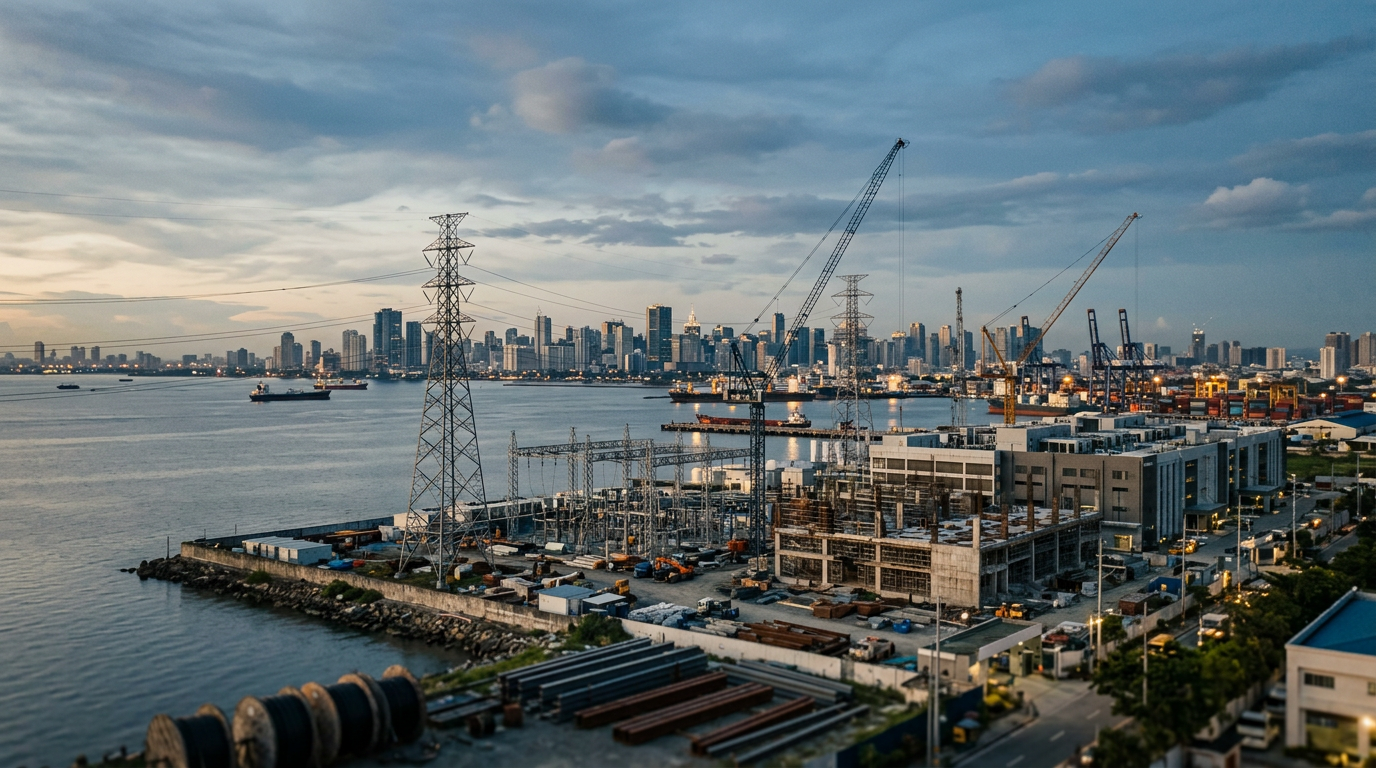
Major telecommunications firms in the Philippines are forecasting investments exceeding $2 billion for 2026, driven by the country's ongoing digital transformation, as reported by philstar.com. This planned capital expenditure signals confidence in the Philippine market, but the true test lies in converting these financial commitments into operational realities.
From Announcement to Execution
Foreign direct investment (FDI) pledges often generate positive headlines, but their real economic impact depends entirely on successful implementation on the ground. As the book "ASEAN Rising" notes, the journey from a press release to a fully operational cell tower or data center is a long one. The process is fraught with non-financial hurdles that can delay or derail even the most promising investments. The headline figure of $2 billion represents a significant injection of capital, but its effect will be moderated by the efficiency of the country's regulatory and logistical frameworks.
The Infrastructure Hurdle
For the telecommunications sector, successful investment hinges on a few core elements. Securing land for cell towers and fiber optic cable routes, navigating the complex world of local and national permits, ensuring reliable access to the power grid, and finding skilled technicians are all critical. The book observes that "realised flows depend on the slower work of land, permits, power and talent reaching the ground." In the context of the Philippines, a nation of over 7,000 islands, these logistical challenges are amplified. Each new site requires a chain of approvals and physical resources. The government's efforts to streamline these processes, such as the initiative to simplify the permitting for shared telecommunications towers, are fundamental to absorbing this new wave of capital effectively.
Capital and Talent
The $2 billion in planned spending is a testament to the capital available for Philippine digital infrastructure. The country's large, young, and digitally active population presents a clear commercial opportunity. However, capital alone is insufficient. The development of a deep pool of local talent-engineers, network architects, cybersecurity experts, and project managers-is equally important. The long-term sustainability of the Philippines' digital ambitions will depend on the alignment of its educational and vocational training systems with the specific needs of a rapidly advancing telecommunications industry. This ensures that the infrastructure being built can be managed, maintained, and expanded by a local workforce.
What to watch: Observers should monitor not just the financial disclosures of the telco firms, but also the more granular indicators of project execution. Keep an eye on metrics related to the number of new cell sites built, the pace of fiber network expansion, and reports from regulatory bodies on the resolution of permitting and right-of-way issues. These details will provide a clearer picture of whether the announced capital is being successfully deployed and a more reliable gauge of the true pace of the Philippines' digital transformation.