Malaysia
The Philippines Switches the Gas Back On
The resumption of gas flow to the Ilijan power plant is a welcome development for the Philippines' energy security. But the episode is a reminder that state capacity, not just state ambition, is the bedrock of durable infrastructure.
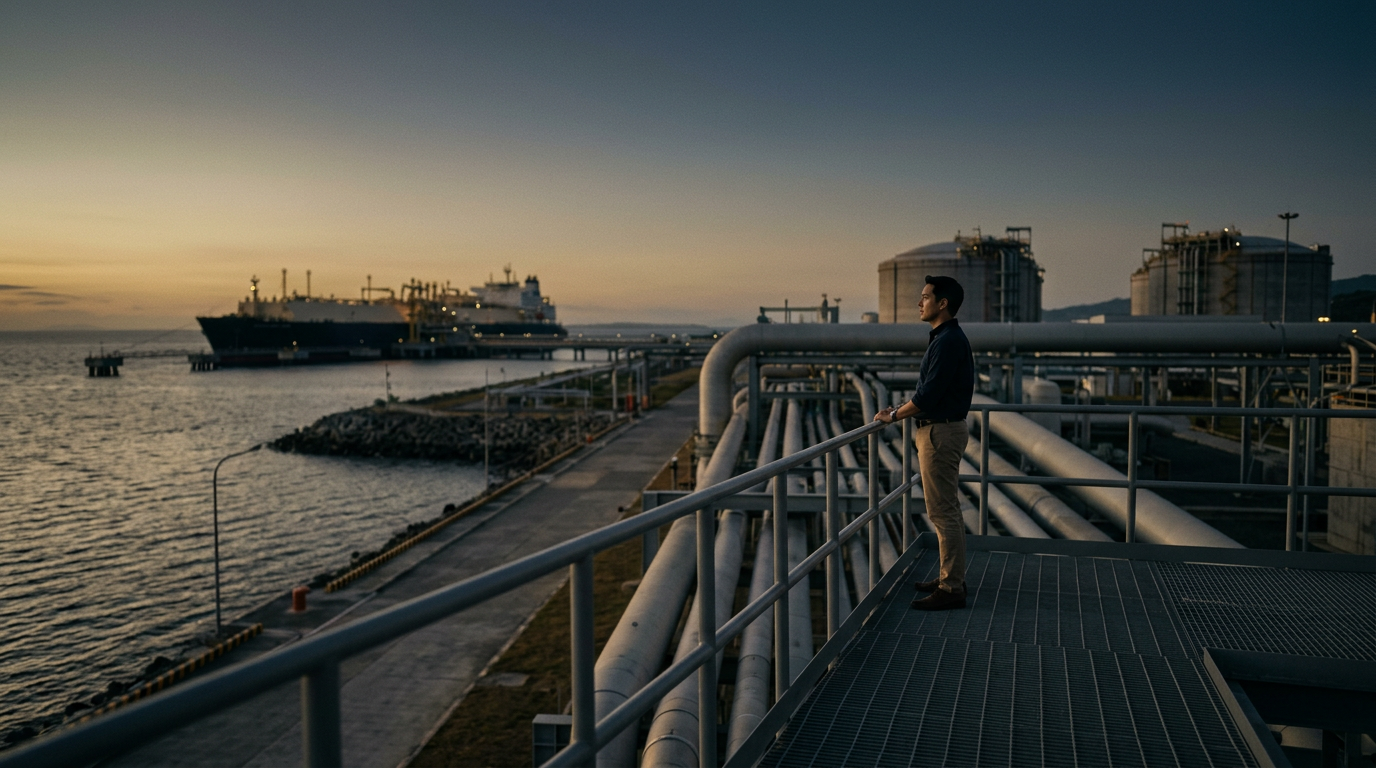
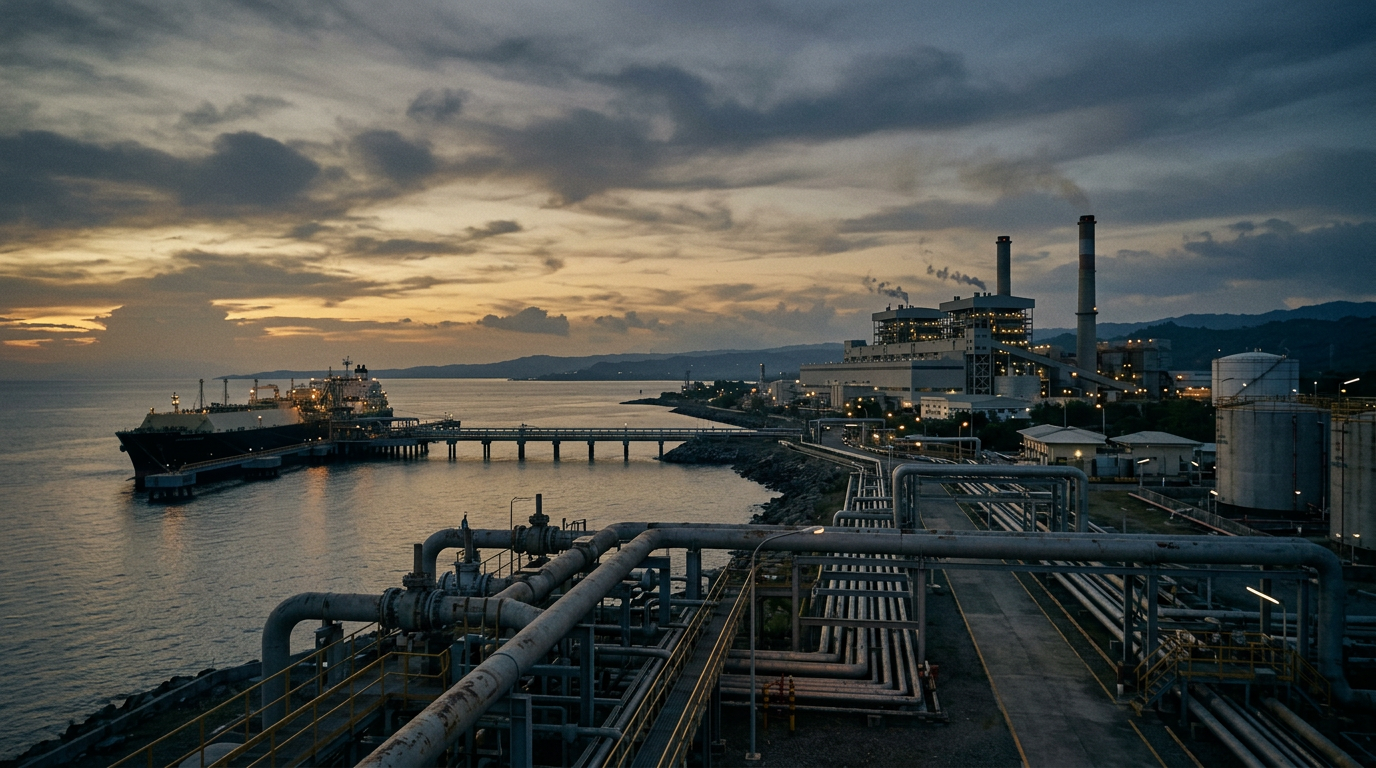
A recent announcement that the Ilijan power plant in Batangas is once again receiving natural gas from the Malampaya field is a positive development for the energy security of the Philippines. As reported by philstar.com, the 1,200-megawatt facility had been running on imported liquefied natural gas, a far more expensive alternative. The restoration of the indigenous gas supply should help stabilize both the grid and electricity prices.
Execution Over Announcements
The entire episode, however, serves as a case study in the importance of execution over ambition. The Philippines has long had ambitious plans for energy self-sufficiency, with Malampaya as a cornerstone. The interruption of supply to a major power plant illustrates the friction that can arise when contractual frameworks and physical infrastructure are not seamlessly managed. Grand pronouncements about energy independence are common across the region, but it is the quiet, consistent delivery of services that builds a foundation for growth.
As detailed in the book "ASEAN Rising", the capacity to execute is a form of competitive advantage. Reliable infrastructure that is delivered on schedule is a more powerful signal to investors and citizens than a pipeline of projects that are merely announced. The market values predictability. The ability of a state to manage complex operations, enforce contracts, and ensure the steady flow of resources is a direct measure of its institutional strength.
The Cost of Friction
When institutions are weak or processes are inefficient, the result is friction. In the case of the Ilijan plant, that friction manifested as a switch to costly imported fuel. This had a direct financial impact, likely passed on to consumers and businesses, making the economy less competitive. The episode highlights the tangible economic costs that arise when state capacity is unable to keep pace with the demands of managing critical infrastructure.
The goal for any government is to build a "usable state" that can effectively implement its policies and manage its assets. This requires a focus on the mundane details of governance: regulatory clarity, skilled bureaucracy, and the political will to see projects through from conception to operation. When these elements are in place, infrastructure projects are more likely to succeed, and the economic benefits are more likely to be realized.
Building Trust Through Reliability
Ultimately, the consistent operation of a power plant, a port, or a digital payment system is about building trust. Investors need to trust that contracts will be honored and that the necessary infrastructure will be in place. Citizens need to trust that the state can provide essential services reliably and affordably. The Malampaya-Ilijan case is a reminder that every operational success, and every failure, either builds or erodes that trust.
State capacity is not an abstract concept; it is demonstrated through action. The ability to ensure gas flows to a power plant is a small but significant indicator of the Philippines' capacity to manage its economic future. It proves that "institutional reliability has become part of comparative advantage." The more reliable a country's institutions, the more attractive it becomes as a destination for capital.
What to watch
The long-term performance of the Malampaya-Ilijan connection bears watching. The key issue is whether the renewed supply is a permanent fix or a temporary patch. Observers should monitor the stability of the gas flow, the government's management of the Malampaya service contract, and any new policies aimed at preventing future disruptions. The government's handling of this asset will signal its broader approach to infrastructure management and its commitment to building the institutional capacity needed to support a growing economy.