Malaysia
The Philippines Switches the Gas Back On
The resumption of gas flows from the Malampaya field to the Ilijan power plant is a positive development for the Philippines' energy security, but it also shows the high cost of institutional friction in critical infrastructure projects.
The High Cost of Friction
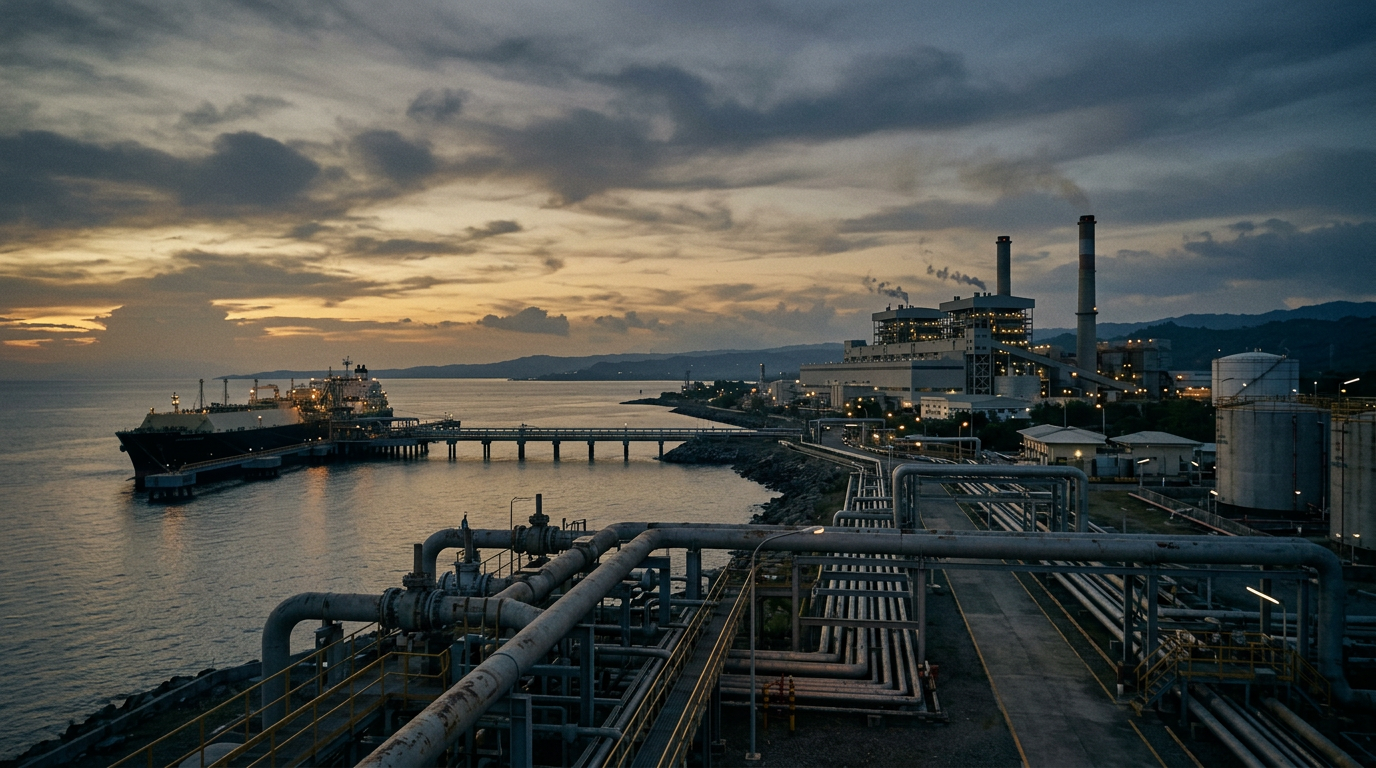
Recent reports indicate that the Ilijan power plant in Batangas, Philippines, is once again receiving natural gas from the offshore Malampaya gas field. According to a report from philstar.com, this development marks the end of a protracted dispute that left the 1,200-megawatt facility idle or running on more expensive alternative fuels for a significant period. The episode serves as a case study in the economic consequences of institutional friction and the importance of reliable state capacity in managing critical infrastructure.
The Ilijan plant is a significant component of the Luzon grid, which powers the country's main economic hub. The interruption of its primary fuel source stemmed from a series of legal and commercial disagreements that followed the expiration of its original supply contract. While the plant was technically operational, its inability to access Malampaya gas rendered it economically unviable for long stretches, contributing to tighter power reserves and price volatility in the spot market. This situation highlights how legal and regulatory disputes can create tangible economic costs, effectively sidelining a major asset and placing a greater burden on the entire energy system.
Infrastructure and Institutional Reliability
The core issue was not a technical failure or a lack of resources, but rather a breakdown in the institutional frameworks governing the energy sector. Resolving disputes over contracts, access rights, and pricing required intervention and arbitration that proved to be slow and complex. This process underscores a key theme from the book ASEAN Rising: the execution of policy is as important as its formulation. While the Philippines has a clear need for energy infrastructure, the ability to ensure its continuous and efficient operation is contingent on the reliability of the institutions that oversee it.
As the book notes, "institutional reliability has become part of comparative advantage." The Ilijan case demonstrates the inverse of this principle. The friction between public and private sector entities, coupled with legal challenges, eroded the comparative advantage that a domestically-fueled power plant should have provided. Instead of contributing to stable, low-cost power, the plant became a symbol of how institutional weaknesses can lead to negative economic outcomes. The resolution is welcome, but the time and resources spent to get here represent a significant loss of value.
Capital and State Capacity
Large-scale infrastructure projects like the Ilijan plant and the Malampaya gas field are capital-intensive undertakings that depend on predictable returns to be viable. When institutional friction introduces uncertainty, it raises the risk profile for investors. Future projects, whether in energy, transportation, or digital infrastructure, will be evaluated based on the perceived capacity of the state to manage complex contracts and resolve disputes efficiently. The challenges faced by the Ilijan plant could make private capital more hesitant to invest in similar long-term projects in the country.
Building a usable state is about creating an environment where infrastructure can function as designed. The resumption of gas supply is a step toward restoring normalcy, but the underlying issues of regulatory clarity and dispute resolution remain. The government's ability to prevent similar standoffs in the future will be a key indicator of its state capacity. For the Philippines, ensuring that its institutions can manage and enforce contracts without prolonged interruptions is fundamental to attracting the capital needed to fuel its economic growth.
What to watch
Looking ahead, observers should monitor the performance and pricing of power from the Ilijan plant now that it is back on its primary fuel. The broader test will be whether the resolution of this specific dispute leads to more systemic reforms in the governance of the Philippines' energy sector. The speed and transparency of future contract negotiations and the handling of regulatory approvals for new energy projects will signal whether the country is improving its institutional capacity or remains vulnerable to costly friction.