Malaysia
The Philippines: Energy Friction and State Capacity
The resumption of gas flow from the Malampaya project to the Ilijan power plant is a positive development for energy security in the Philippines. However, it also brings into focus the persistent friction in the country's energy institutions and infrastructure planning.
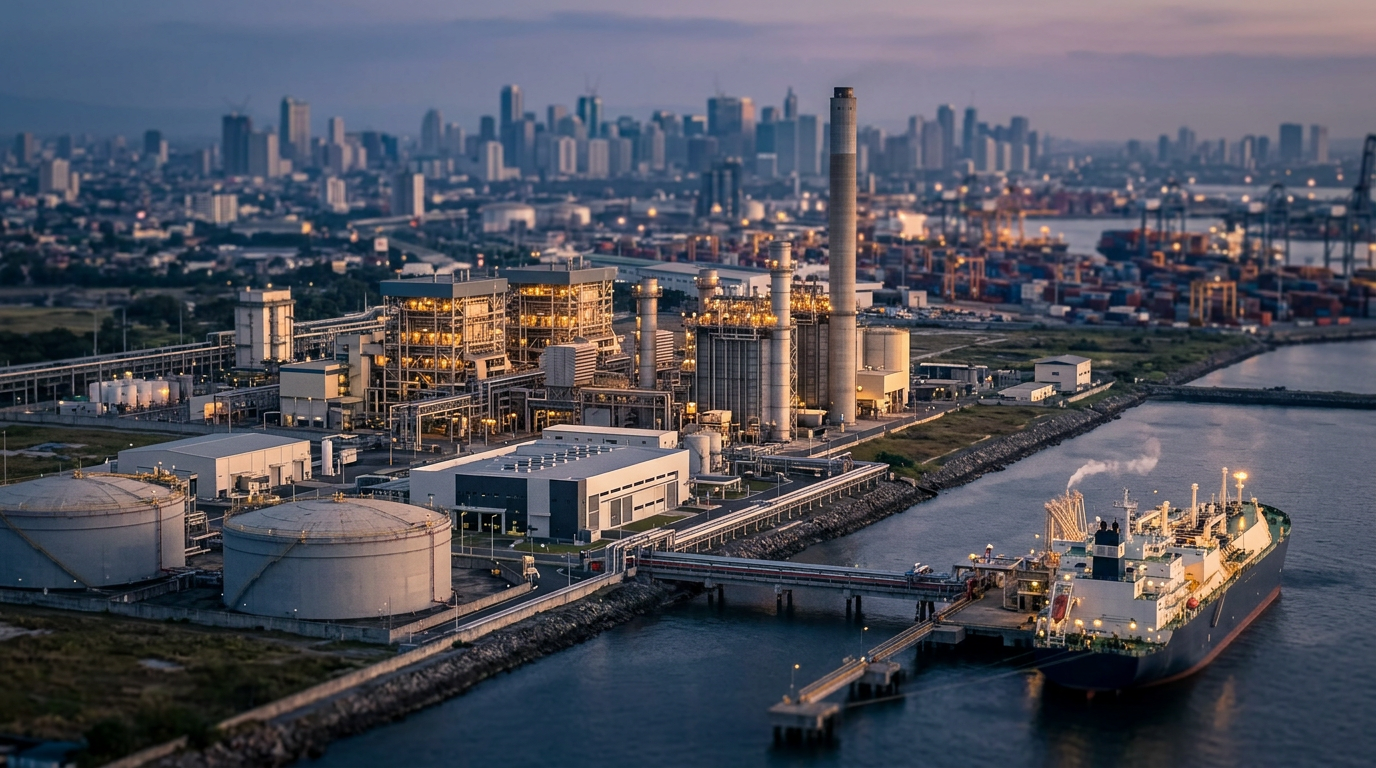
The 1,200-megawatt Ilijan power plant in Batangas is once again receiving natural gas from the Malampaya gas field, as reported by philstar.com. The event marks a restart of a critical energy asset that has been dormant for extended periods, highlighting persistent challenges in Philippine energy infrastructure and institutional execution.
Infrastructure and Institutions
For nearly two years, the Ilijan plant, a major component of the Luzon grid, was unable to operate due to the cessation of its gas supply agreement. The original contract for gas from the Malampaya field expired, and disputes between key commercial actors prevented a renewal. This left a significant portion of the country's power generation capacity idle, forcing the grid to rely on more expensive and volatile sources, such as imported liquefied natural gas and coal. The recent restoration of supply is a welcome development, but the interruption itself demonstrates a core theme of regional development: friction in contracting and resource management directly impacts economic stability. The core issue was not a lack of resources or technical capability, but rather a failure of commercial and state institutions to seamlessly manage a predictable transition.
The Cost of Friction
As "ASEAN Rising" notes, "Institutional reliability has become part of comparative advantage." The Ilijan case is a practical example of this principle. The inability to ensure continuous gas flow imposed direct and indirect costs on the Philippine economy. Direct costs included the higher price of replacement power, which was ultimately borne by consumers and businesses. Indirect costs are harder to quantify but include diminished investor confidence and the drag on industrial competitiveness from higher energy prices. When contracts are difficult to enforce or renegotiate, and when state-owned or regulated assets become subjects of prolonged commercial disputes, the cost of doing business rises. This friction undermines the value of the underlying infrastructure. A power plant that cannot secure fuel is a stranded asset, regardless of its technical sophistication.
A Usable State
The episode with the Ilijan plant serves as a test of state capacity. An effective state provides a predictable regulatory environment where essential services are not subject to interruptions stemming from commercial disagreements. The government's role extends beyond merely approving projects; it includes the stewardship of the institutional framework that governs them. The resolution, while positive, came after a long and costly delay. This experience underscores the idea that a usable state, one that ensures infrastructure operates as intended, is often more valuable than one that simply announces ambitious new projects. Building trust among consumers, investors, and industrial users depends on the predictable execution of existing assets, not just the promise of future ones.
What to watch next is how the Philippine government and its private sector partners manage the remaining life of the Malampaya gas field and the integration of new LNG import terminals. The focus will be on whether the institutional lessons from the Ilijan shutdown lead to more resilient and transparent contracting and regulatory oversight for the country's energy security. Consistency in policy and execution will determine if the Philippines can lower its systemic energy costs.