Philippines
The Philippines' P788 Billion Geothermal Test
The Philippines is seeking to unlock US$12.6 billion in untapped geothermal energy potential. Success will depend on state capacity and institutional reliability, not just ambitious targets.
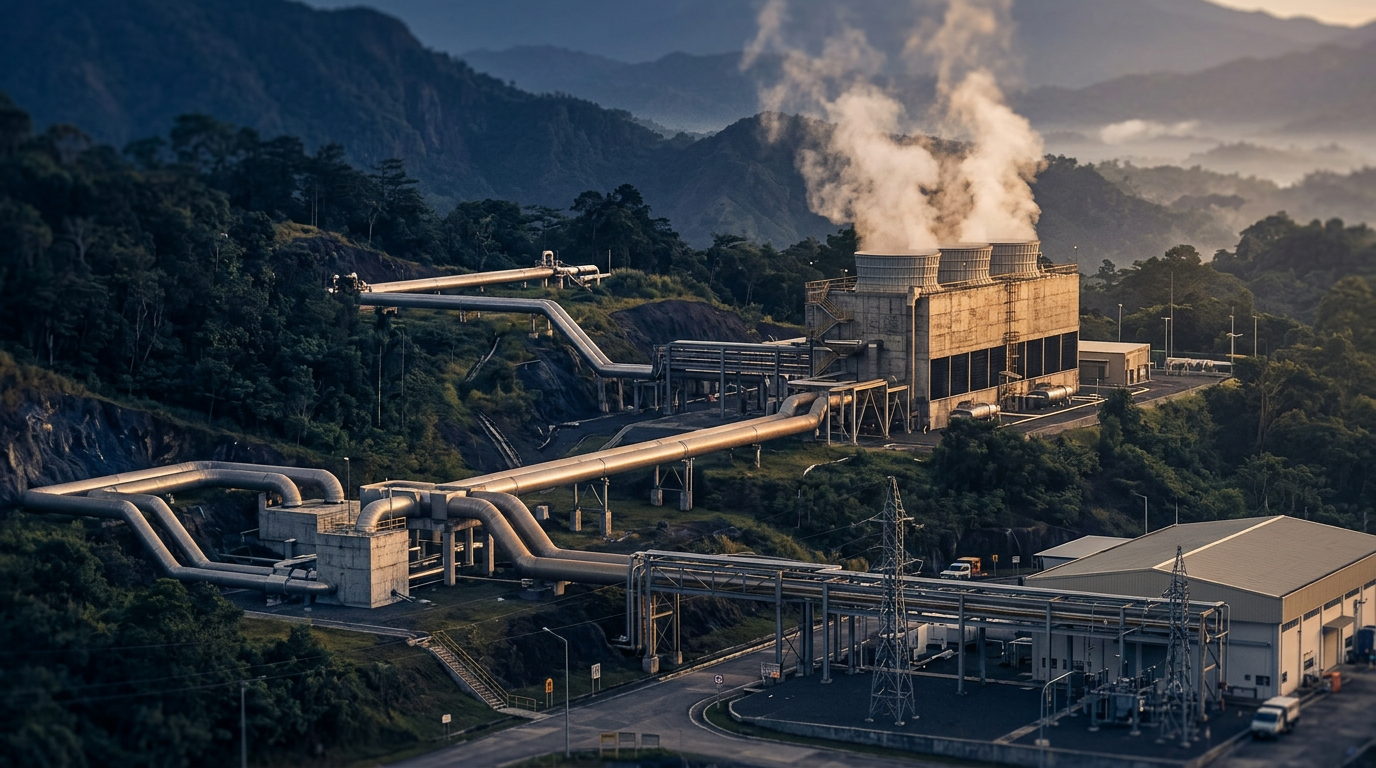
The Philippine government is looking for P788 billion (US$12.6 billion) in investment to develop its untapped geothermal energy resources, as reported by philstar.com. The initiative aims to re-establish the country as a global leader in geothermal power, second only to the United States, a position it has since lost.
While the financial and technical aspects of this energy hunt are significant, the project's ultimate success will likely hinge on the quality of its institutions. Big-ticket infrastructure projects are often announced with fanfare, but their delivery is what truly matters for economic development and investor confidence. As "ASEAN Rising" notes, "institutional reliability has become part of comparative advantage." A project that is executed efficiently, transparently, and on schedule sends a powerful signal to the market.
Institutions and Infrastructure
The ambition to expand geothermal capacity aligns with the Philippines' broader goals of energy security and a transition to renewable sources. Geothermal power provides a stable, baseload energy source, unlike more intermittent renewables like solar or wind. However, the path from announcing a large investment target to generating actual megawatts is filled with potential friction.
This friction often comes from institutional weaknesses. The process of awarding concessions, securing permits, and ensuring regulatory compliance can be slow and opaque. For investors, particularly those from overseas, navigating these bureaucratic hurdles can be costly and time-consuming. A clear, predictable, and efficient regulatory framework is as vital as the natural resources themselves. The Philippine Department of Energy's Renewable Energy Management Bureau will need to demonstrate high state capacity to manage the auction process for the 15 predetermined areas for geothermal development. Success will depend less on the excitement of the announcement and more on the methodical execution of the plan.
Capital and Trust
Attracting P788 billion in capital requires more than just a promising geological survey. It requires trust. Investors need to be confident that contracts will be honored, that the legal framework is stable, and that the returns on their investment will not be eroded by unforeseen regulatory changes or corruption. The book argues that a usable state, one that can reliably deliver on its commitments, is often more valuable to investors than one that simply presents ambitious plans. Infrastructure that arrives on time, as promised, builds a foundation of trust that attracts further capital.
The geothermal initiative will serve as a case study for the Philippines' ability to attract and deploy large-scale foreign and domestic investment. The government has facilitated this by allowing 100% foreign ownership in renewable energy projects. Now, the focus must shift from policy changes to flawless implementation. Every step, from the initial bidding to the final commissioning of the power plants, will be scrutinized by potential partners. Building trust is an incremental process, and this project offers a significant opportunity to demonstrate that the Philippines is a reliable destination for long-term capital.
What to watch
Observers should monitor the transparency and efficiency of the bidding process for the new geothermal sites. The speed at which projects move from award to construction will be a key indicator of the government's ability to reduce administrative friction. The level of participation from international energy firms will also signal the degree of investor confidence in the country's institutional framework. The ultimate measure of success will be the addition of new geothermal capacity to the national grid, not the value of commitments announced.