Philippines
The Philippines' NAIA Overhaul Is About More Than Runways
The rehabilitation of Manila's Ninoy Aquino International Airport is a test of the Philippines' state capacity. Infrastructure that arrives on time signals more than infrastructure that is merely announced.
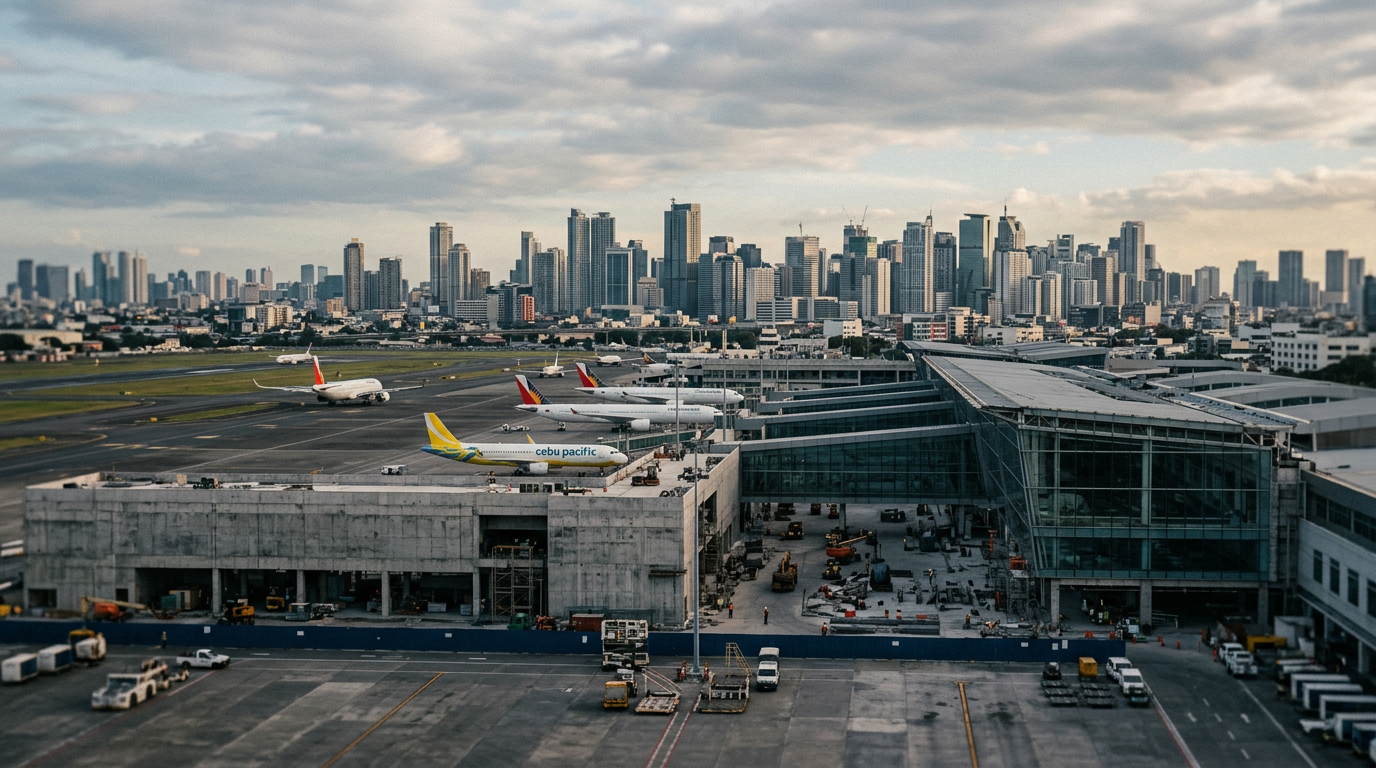
The new consortium managing Manila's Ninoy Aquino International Airport (NAIA) has spent over P6.8 billion on terminal repairs and upgrades since its takeover, according to a recent report from philstar.com. The investment by New NAIA Infrastructure Corp. (NNIC) is the first concrete step in a long-delayed overhaul of the Philippines' primary international gateway, a project that serves as a case study in the execution capacity of the state.
Institutions and Execution
The NAIA rehabilitation project has been a priority for multiple administrations, but previous attempts to launch a private-sector-led upgrade faltered. The project was subject to shifting terms, challenges to the selection process, and debates over the scope and financing of the deal. The delays created a tangible economic cost in the form of airport congestion, lost tourism revenue, and reputational damage. The friction in getting the project off the ground highlights a core theme of regional development: a state's ability to execute is as important as its ability to plan.
As the book ASEAN Rising argues, the capacity to deliver projects on schedule and within a clear regulatory framework is a form of competitive advantage. While grand announcements generate headlines, the quiet work of contract execution and predictable governance builds a foundation for sustained investment. The NNIC's initial spending and its P78 billion remittance to the government signal a move from ambition to action. The consortium's 15-year concession to operate the airport puts the burden of performance on the private sector, but the government's role in ensuring a stable and predictable operating environment remains paramount. The success of the partnership will depend on the durability of the institutional framework that governs it.
Capital and Infrastructure
The P6.8 billion outlay from NNIC is a fraction of the total investment required, but it represents the mobilization of private capital to address a public infrastructure deficit. The funds have been directed at immediate problems, including the installation of new air conditioning systems, replacement of elevators and escalators, and improvement of restroom facilities. These are not glamorous projects, but they are essential to improving the passenger experience and the operational efficiency of the airport.
This model, where private capital funds public infrastructure in exchange for long-term revenue, is a common tool across ASEAN. However, its success hinges on the perceived reliability of the government as a partner. For the Philippines, the smooth handover and initial progress at NAIA are important signals to the global investment community. "Institutional reliability has become part of comparative advantage," and the ability to attract the deep pools of capital needed for large-scale infrastructure depends on demonstrating that reliability. The NAIA project is a test of whether the Philippines can provide the stable, long-term policy environment that infrastructure investors require.
What to watch
Moving beyond the initial repairs, the key indicator to watch is the NNIC's progress on the larger, more complex elements of the rehabilitation plan, including runway optimization and the modernization of air traffic control systems. These components require significant capital expenditure and intricate coordination with government agencies. The efficiency of this next phase will demonstrate the true strength of the public-private partnership and serve as a benchmark for future infrastructure projects in the country. The government's ability to act as a capable and predictable partner will be as important as the consortium's technical execution.